Samsung’s new foldable display is harder to crease and damage
Source Entity
Jess Weatherbed
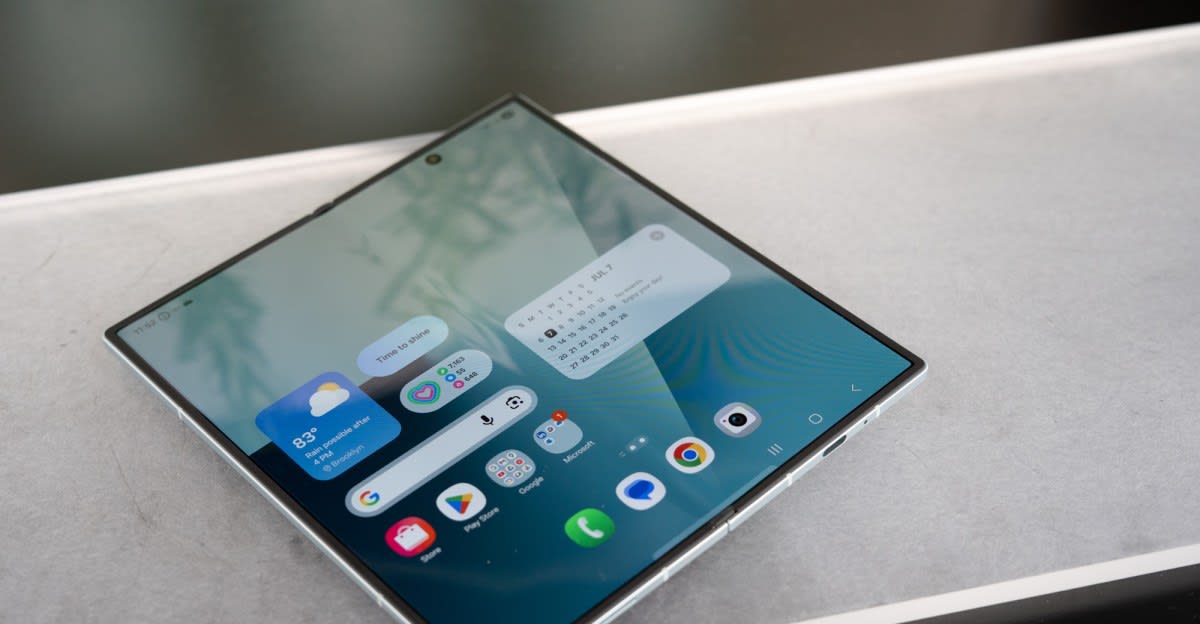
Samsung has unveiled 'Flex Titanium,' a new flexible display technology debuting in the Galaxy Z Fold 8, designed to be slimmer and more durable while significantly reducing the visible crease.
The Evolution of Foldables: Samsung's Quest for the Perfect Screen
Samsung has long been the pioneer of the foldable smartphone market, but the industry has been plagued by a persistent Achilles' heel: the screen crease. With the unveiling of the new Flex Titanium display technology, Samsung is attempting to solve the primary aesthetic and structural grievance of foldable users. By leveraging seven generations of iterative learning, the company is moving toward a design that promises to be slimmer, more resilient, and virtually free of the distracting fold line that has characterized previous iterations of the Galaxy Z series.
Overcoming the Materiality Gap
The introduction of Flex Titanium represents a significant leap in materials science. For years, foldable displays have relied on Ultra Thin Glass (UTG) and various polymer layers that, while flexible, are susceptible to fatigue over thousands of fold cycles. The 'Titanium' nomenclature suggests a shift toward higher-density, high-strength materials that can maintain structural integrity while remaining thin enough to allow for a compact fold. By reducing the thickness of the display stack, Samsung can mitigate the stress concentrated at the hinge point, which is the root cause of the dreaded crease.
Seven Generations of Iteration
Samsung's claim that this technology is the culmination of seven generations of development is a critical point of analysis. From the first Galaxy Fold—which suffered from early durability failures—to the refined Z Fold series, Samsung has systematically addressed issues regarding dust ingress, hinge friction, and screen bubbling. The Flex Titanium tech is not a sudden invention but an optimization of the hinge-to-screen ratio. This historical progression shows a transition from 'proving the concept' to 'perfecting the product,' signaling that foldables are moving from niche enthusiast gadgets to mainstream durable hardware.
Competitive Pressures and Market Positioning
This announcement does not happen in a vacuum. Competitors, particularly in the Chinese market, have pushed the boundaries of 'thinness' and 'crease-less' displays, often utilizing different hinge geometries. By introducing Flex Titanium for the upcoming Galaxy Z Fold 8, Samsung is responding to the market demand for a device that feels like a traditional slab phone when unfolded. The focus on durability is a strategic move to capture the 'conservative' consumer segment—those who have avoided foldables due to fears of longevity and screen failure.
Future Implications for Mobile Hardware
Looking forward, the success of Flex Titanium could pave the way for other foldable form factors, such as tri-fold or rollable displays. If Samsung can successfully implement a slimmer, more durable material in the Z Fold 8, it proves that the hardware limitations of foldable screens are finally being overcome. We can expect future trends to shift away from discussing 'if' a foldable is durable enough, and instead focus on how these flexible screens can be integrated into tablets and laptops without compromising the user experience.
Conclusion
Samsung's Flex Titanium technology is more than just a incremental update; it is a strategic effort to eliminate the last remaining barrier to mass foldable adoption. By combining seven generations of engineering data with advanced material science, the Galaxy Z Fold 8 is positioned to set a new industry standard for durability and visual seamlessness. If the technology delivers on its promises, the 'crease' may soon become a relic of early foldable history.