Cabinet approves ₹1.27 lakh crore for Semicon Mission 2.0
Source Entity
India Latest News: Top National Headlines Today & Breaking News | The Hindu
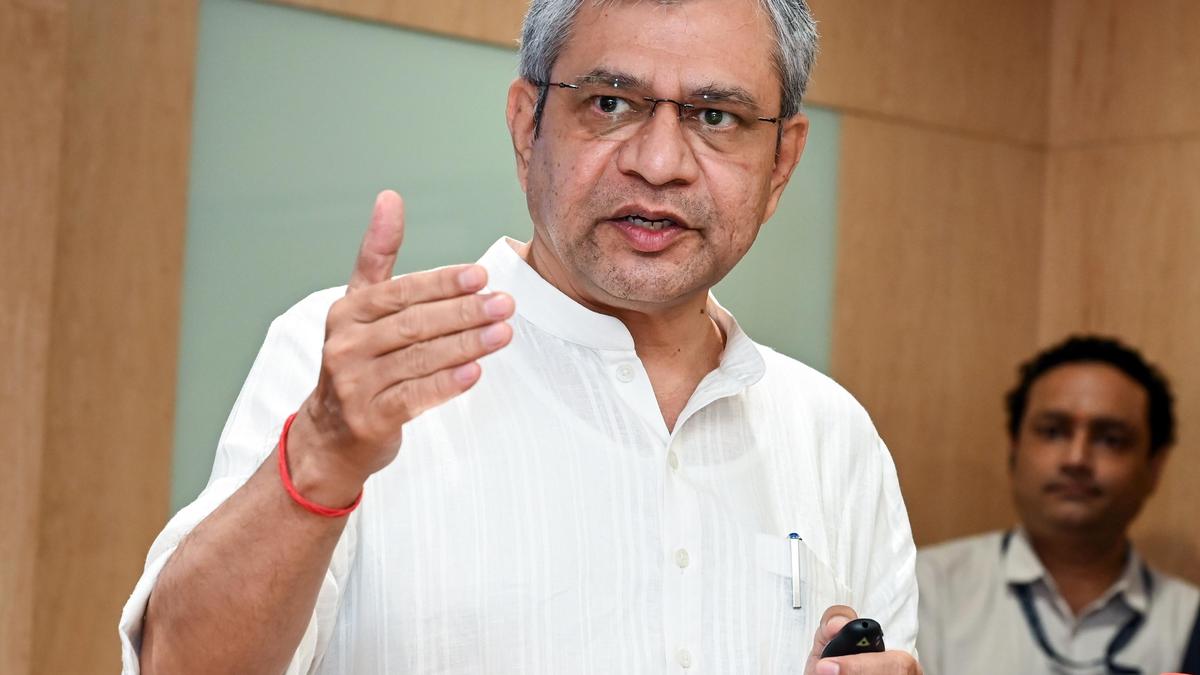
The Indian Cabinet has approved an allocation of ₹1.27 lakh crore for the Semicon Mission 2.0, a strategic initiative aimed at attracting ₹4 lakh crore in investments and generating semiconductor production worth ₹2 lakh crore.
India's Strategic Leap: Analyzing Semicon Mission 2.0
In a decisive move to fortify its technological sovereignty, the Indian Cabinet has approved a massive outlay of ₹1.27 lakh crore for the Semicon Mission 2.0. This initiative is not merely a financial allocation but a strategic blueprint designed to transform India from a consumer of semiconductors into a global manufacturing hub. By targeting an investment attraction of approximately ₹4 lakh crore and aiming for production worth ₹2 lakh crore, the government is signaling a high-stakes commitment to the electronics value chain.
The Economic Leverage and Investment Catalyst
One of the most striking aspects of this announcement is the leverage ratio the government expects to achieve. By deploying ₹1.27 lakh crore in incentives and infrastructure support, India aims to catalyze nearly three times that amount in private investment. This suggests a public-private partnership model where the state absorbs the initial high-risk capital expenditure (CapEx) associated with semiconductor fabrication plants (fabs), which are notoriously expensive to build and operate. The goal of achieving ₹2 lakh crore in production indicates a focus on moving up the value chain—transitioning from simple assembly (low-value) to actual wafer fabrication and design (high-value).
Geopolitical Context and Supply Chain Resilience
To understand the urgency of Semicon Mission 2.0, one must look at the global geopolitical landscape. The world has recently witnessed extreme volatility in semiconductor supply chains, exacerbated by the COVID-19 pandemic and rising tensions between the US and China. Semiconductors are the "brains" of modern electronics, essential for everything from smartphones and laptops to missiles and electric vehicles. By establishing a domestic ecosystem, India is mitigating the risk of "supply chain weaponization" and reducing its heavy reliance on imports from Taiwan, South Korea, and China, thereby enhancing its national security and economic resilience.
Building a Comprehensive Ecosystem
Beyond the headline figures, the success of this mission depends on creating a holistic ecosystem. Semiconductor manufacturing requires an extraordinary level of precision and infrastructure, including an uninterrupted power supply and ultra-pure water sources. The allocation likely covers not just direct subsidies for chip-makers but also the development of "semiconductor parks" and the promotion of OSAT (Outsourced Semiconductor Assembly and Test) units. These units are critical intermediaries that package and test chips before they are integrated into devices, providing a more accessible entry point for domestic firms compared to the multi-billion dollar investment required for a leading-edge fab.
Addressing the Talent Gap and Future Trends
As India pushes forward with this mission, the primary bottleneck will likely be the availability of specialized human capital. Chip design and fabrication require highly skilled engineers and physicists. We can expect the government to pair this financial outlay with academic initiatives to train a workforce capable of managing these complex facilities. Looking ahead, if Semicon Mission 2.0 succeeds, India will likely see a surge in domestic electronics brands and a reduction in the cost of consumer electronics, as the logistics and import duties associated with chips are minimized.
Conclusion: A Vision for Digital Sovereignty
In summary, the approval of ₹1.27 lakh crore for Semicon Mission 2.0 represents a pivotal moment in India's industrial policy. By aggressively pursuing the semiconductor sector, India is positioning itself to be a key player in the Fourth Industrial Revolution. While the targets of ₹4 lakh crore in investment and ₹2 lakh crore in production are ambitious, they reflect a calculated effort to secure digital sovereignty and drive long-term economic growth through high-tech manufacturing.
Verification Required?