Warren Buffett tells CNBC he initiated Berkshire Hathaway's investment in Alphabet
Source Entity
US Top News and Analysis
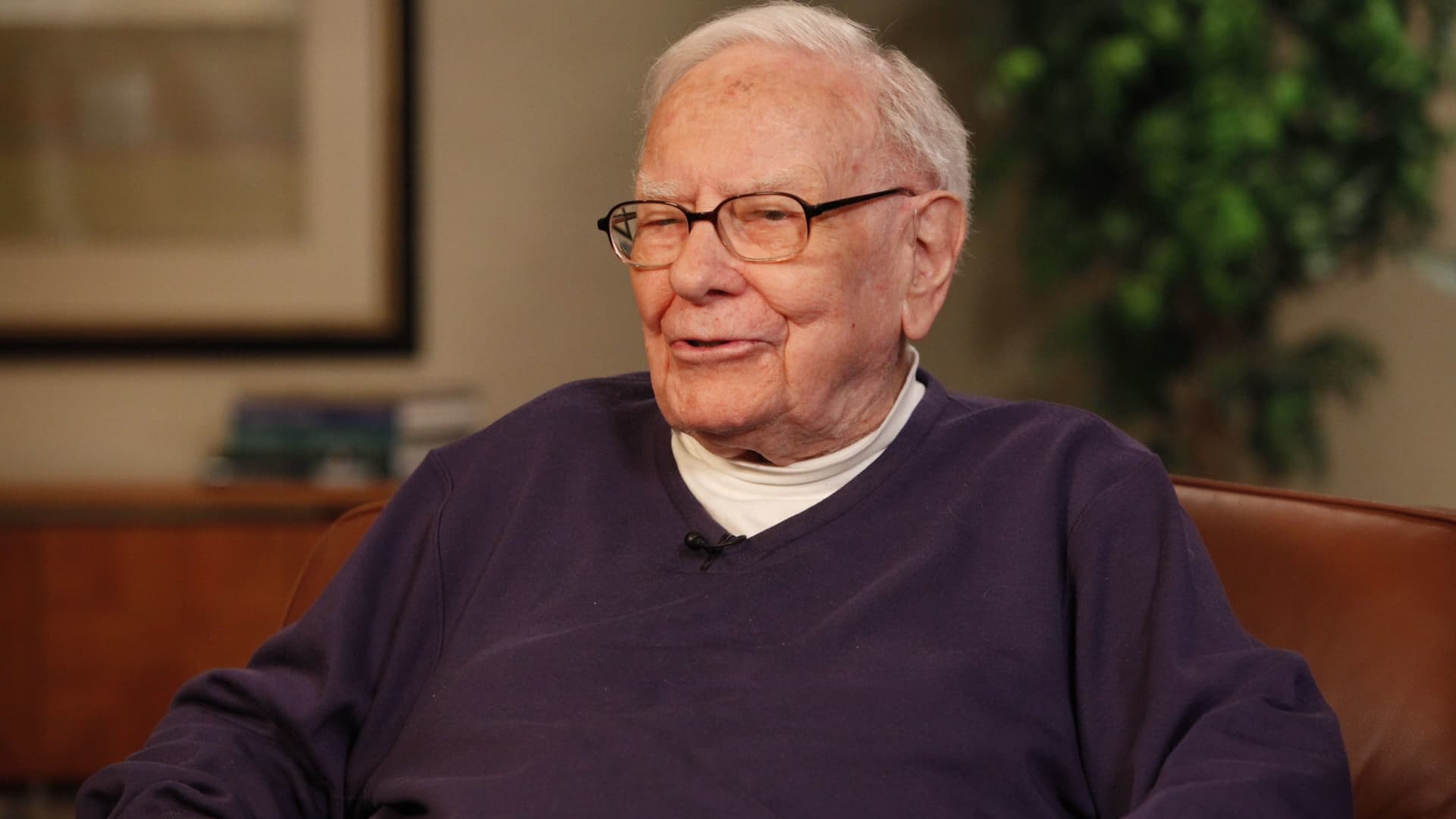
Warren Buffett revealed in an interview with CNBC that he was the primary driving force behind Berkshire Hathaway's significant investment in Alphabet, the parent company of Google.
Buffett's Bold Move: The Strategic Shift Toward Alphabet
In a revealing interview with CNBC's Becky Quick, legendary investor Warren Buffett confirmed that he personally initiated Berkshire Hathaway's substantial investment in Alphabet. This admission is particularly noteworthy because Buffett has historically delegated a significant portion of Berkshire's portfolio management to his lieutenants, Ted Weschler and Todd Combs. By stating, "I initiated it," Buffett signals a high degree of personal conviction in Alphabet's long-term value proposition, marking a pivotal moment in how the 'Oracle of Omaha' views the modern technology landscape.
The Evolution of the 'Economic Moat'
To understand the significance of this move, one must analyze it through the lens of Buffett's famous "economic moat" philosophy. For decades, Buffett avoided technology stocks, claiming they fell into the "too hard" pile because he could not predict their competitive advantages ten years into the future. However, Alphabet—specifically through Google Search—represents one of the most formidable moats in business history. The network effect of Google's search engine and its dominance in the digital advertising ecosystem create a barrier to entry that aligns perfectly with Buffett's preference for companies with pricing power and sustainable competitive advantages.
Breaking the Tech Taboo
This investment represents a broader evolution in Berkshire Hathaway's strategic approach to the digital economy. While Berkshire has long held a massive stake in Apple, which Buffett views more as a consumer products company than a pure tech play, the move into Alphabet suggests a deeper acceptance of software-driven platforms. By initiating this position, Buffett is acknowledging that the infrastructure of the internet is now as essential to global commerce as the railroads and insurance companies that built Berkshire's foundation. This shift indicates a recalibration of risk, where the stability of a dominant platform outweighs the volatility typically associated with the tech sector.
Valuation and Disciplined Entry
Buffett's decision to initiate the investment likely stemmed from a rigorous analysis of Alphabet's valuation relative to its cash-flow generation. Alphabet's ability to monetize information on a global scale provides a level of scalability that is rare even among Large-cap stocks. For Buffett, the "trick" likely involved identifying a window where the market undervalued Alphabet's long-term dominance or overestimated the immediate threat of competitors. His involvement ensures that the investment was not merely a tactical hedge by his managers, but a strategic bet on the enduring nature of Alphabet's core business model.
Broader Implications for the Market
When Warren Buffett publicly claims ownership of a specific investment decision, it often serves as a powerful signal to the global investing community. By anchoring Berkshire's capital to Alphabet, Buffett is effectively validating the long-term viability of the search-and-advertising model despite the rise of generative AI and shifting consumer behaviors. This endorsement may provide a psychological floor for Alphabet's stock, as investors recognize that one of the world's most disciplined capital allocators sees the company as a safe, long-term harbor for capital.
Conclusion: A Legacy of Adaptation
Ultimately, Warren Buffett's initiation of the Alphabet investment demonstrates that even the most steadfast investment philosophies must adapt to survive. By blending his traditional value-investing principles with the realities of the 21st-century digital economy, Buffett has ensured that Berkshire Hathaway remains relevant in an era of rapid technological disruption. This move underscores a critical lesson in investment: the definition of a "great business" evolves, but the requirement for a sustainable competitive advantage remains constant.