Backed by $60M in funding, Oak steps out of stealth to fix the identity mess that AI agents are making worse
Source Entity
Anna Heim
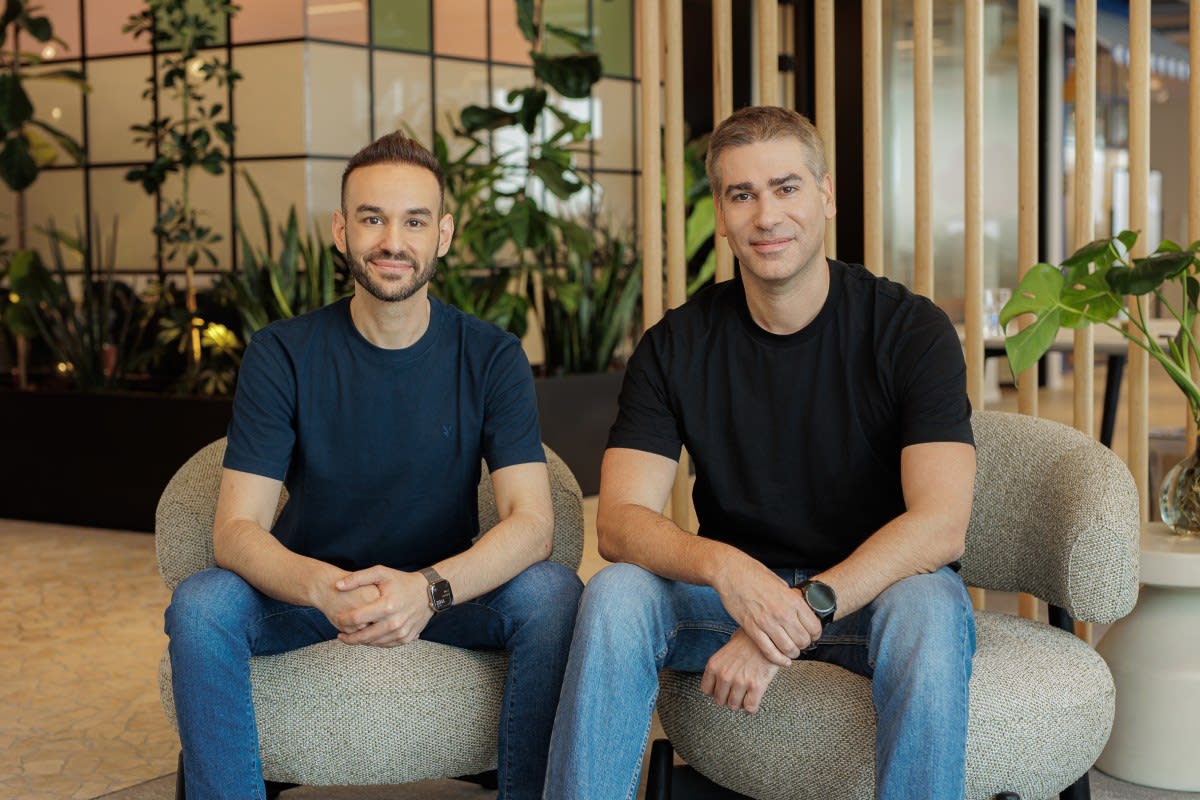
Israeli startup Oak has emerged from stealth with $60 million in seed funding to address identity management challenges exacerbated by the proliferation of AI agents.
The Emergence of Oak: Securing the Era of AI Agents
In a significant move for the cybersecurity and artificial intelligence sectors, the Israeli startup Oak has officially emerged from stealth mode. Co-founded by seasoned entrepreneur Shai Morag, the company has secured a staggering $60 million in seed funding. This substantial initial investment underscores the urgent market demand for a sophisticated solution to the 'identity mess' currently plaguing the digital landscape—a problem that has been significantly amplified by the rapid adoption of autonomous AI agents.
Addressing the AI Identity Crisis
As the industry shifts from generative AI (which primarily produces content) to agentic AI (which performs actions), a critical security gap has opened. AI agents are designed to interact with software, access databases, and execute transactions on behalf of users. However, the current infrastructure for Identity and Access Management (IAM) was built primarily for humans. When AI agents utilize human credentials or shared API keys, they create massive security vulnerabilities and auditing nightmares. Oak aims to resolve this by creating a dedicated identity framework specifically for these non-human entities, ensuring that AI agents have verifiable, trackable, and limited-scope identities.
The Shift Toward Non-Human Identity Management
Historically, identity management focused on passwords, multi-factor authentication (MFA), and single sign-on (SSO) for employees. The 'identity mess' mentioned in Oak's mission refers to the explosion of Non-Human Identities (NHIs). Every bot, script, and AI agent requires a set of permissions to function. Without a centralized system to manage these, organizations often face 'permission creep,' where agents retain access to sensitive data long after their specific task is complete. By focusing on this niche, Oak is positioning itself as the foundational security layer for the next generation of autonomous enterprise software.
Analysis of the $60 Million Seed Round
From a venture capital perspective, a $60 million seed round is exceptionally rare and indicates an immense level of confidence from investors. This suggests that the market views the 'AI identity problem' not as a minor bug, but as a systemic risk that could hinder the widespread enterprise adoption of AI agents. Investors are betting that as companies deploy thousands of agents to handle everything from customer service to supply chain logistics, the tool that governs who these agents are and what they can access will become as essential as the cloud infrastructure they run on.
The Israeli Cybersecurity Pedigree
Oak's origin in Israel is strategically significant. Israel has long been a global epicenter for cybersecurity innovation, benefiting from a deep talent pool originating from elite intelligence and defense units. This regional expertise in secure communications and identity verification provides Oak with a competitive edge in developing the complex cryptographic and architectural frameworks required to manage AI identities. The company is essentially applying military-grade identity rigor to the chaotic growth of the AI agent ecosystem.
Future Trends: Toward Zero Trust for AI
Looking forward, the trajectory of identity management will likely move toward a 'Zero Trust' model specifically for AI. In this paradigm, no agent is trusted by default, regardless of where it originates. We can expect Oak to lead the trend toward dynamic, short-lived credentials that expire immediately after a task is finished. As AI agents become more autonomous and capable of interacting with other agents, the need for a standardized 'handshake' protocol—a way for two AI agents to verify each other's identity and permissions—will become the next great frontier in tech security.
Summary
Oak's entry into the market with $60 million in funding marks a pivotal moment in the AI evolution. By tackling the identity crisis created by AI agents, Oak is not just launching a product, but is attempting to build the essential security plumbing required for a future where autonomous agents are ubiquitous in the global economy.