Punjab's Mukh Mantri Sehat Yojna provides ₹4.15 crore cashless stroke treatment to 914 patients in 6 months
Source Entity
Latest News: Today's Latest News Headlines from India & World | Hindustan Times | Hindustan Times
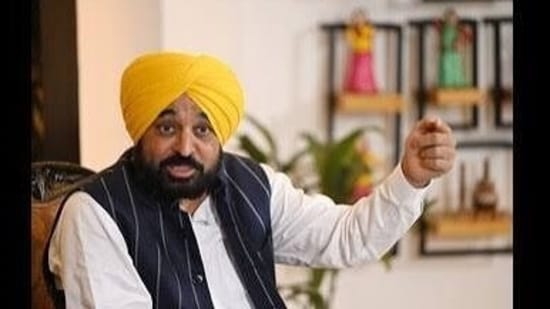
Punjab's Mukh Mantri Sehat Yojna has provided ₹4.15 crore in cashless stroke treatment to 914 patients over a six-month period, significantly reducing the financial burden of critical neurological care for residents.
Enhancing Critical Care: An Analysis of Punjab's Mukh Mantri Sehat Yojna
The recent report indicating that the Mukh Mantri Sehat Yojna has provided ₹4.15 crore in cashless stroke treatment to 914 patients within just six months marks a significant milestone in Punjab's public health infrastructure. This initiative represents a targeted effort to democratize access to high-cost, life-saving medical interventions that were previously out of reach for a vast majority of the state's population. By removing the immediate financial barrier to entry, the scheme ensures that critical neurological emergencies are treated based on medical urgency rather than the patient's ability to pay.
The Financial Impact of Cashless Healthcare
Spending ₹4.15 crore over a half-year period highlights the substantial financial commitment of the Punjab government toward specialized healthcare. Stroke treatment often involves expensive diagnostic imaging (such as CT scans and MRIs) and high-cost thrombolytic drugs that can be prohibitively expensive for middle- and low-income families. The "cashless" nature of this support is the most critical component; it eliminates the delay caused by arranging funds during a medical crisis, which is often the difference between recovery and permanent disability or death.
Clinical Significance and the 'Golden Hour'
From a medical perspective, the effectiveness of stroke treatment is entirely dependent on time. The concept of the "Golden Hour" dictates that the sooner a patient receives intervention—such as clot-busting medication—the higher the chance of reversing brain damage. By integrating stroke care into the Mukh Mantri Sehat Yojna, the state is effectively streamlining the pathway from diagnosis to treatment. When patients do not have to worry about deposits or insurance approvals at the point of admission, healthcare providers can act immediately, drastically improving the clinical outcomes for the 914 beneficiaries mentioned.
Addressing the Burden of Non-Communicable Diseases
This development comes at a time when non-communicable diseases (NCDs), including hypertension and diabetes—the primary precursors to strokes—are on the rise in Northern India. The high volume of patients (nearly 1,000 in six months) suggests a significant latent demand for neurological services in Punjab. This trend indicates that the state is shifting its healthcare focus from basic primary care to managing complex, chronic, and acute conditions, reflecting a more mature and comprehensive approach to public health management.
Socio-Economic Implications for Families
Beyond the clinical benefits, the socio-economic impact of this scheme cannot be overstated. Catastrophic health expenditures are a leading cause of poverty in India, where families often sell assets or take high-interest loans to cover emergency surgeries. By absorbing the cost of stroke treatment, the Mukh Mantri Sehat Yojna prevents hundreds of families from falling into debt traps. This stability allows the families of these 914 patients to focus on the long-term rehabilitation and physiotherapy necessary for stroke recovery, rather than the immediate stress of financial ruin.
Future Trends and Systemic Scaling
Looking forward, the success of this six-month window provides a data-driven roadmap for the Punjab government. The high utilization rate may prompt the state to invest in more specialized stroke units and dedicated neurology wings across district hospitals to reduce the load on tertiary centers. We can expect a trend toward the integration of telemedicine and rapid-response ambulance services linked to this insurance scheme, further shortening the time between the onset of symptoms and the delivery of cashless care.
Conclusion
In summary, the provision of ₹4.15 crore for stroke treatment under the Mukh Mantri Sehat Yojna is more than just a financial statistic; it is a systemic victory for patient care in Punjab. By bridging the gap between critical medical need and financial capability, the scheme is saving lives and preserving the economic stability of households. As the program continues to scale, it serves as a viable model for other states aiming to implement comprehensive, cashless coverage for acute neurological emergencies.
Verification Required?