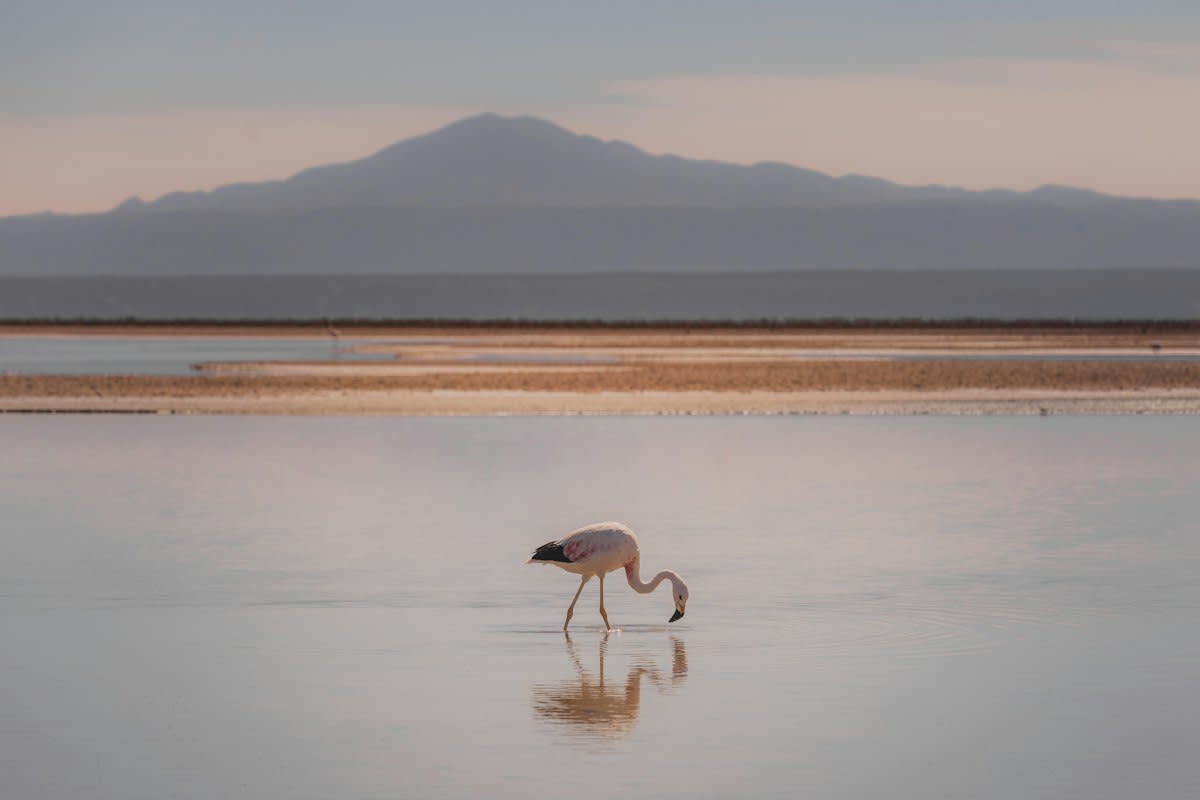
Lithium is a lie. While the world cheers for electric vehicles, the actual chemistry requires an environmental toll that makes traditional mining look like a garden party. The cost is hidden. Do we actually believe that swapping oil rigs for brine pumps constitutes a victory for the planet? (Source: IEA, 2023). The reality is far grittier.
The Geography of Extraction
Brine is the key. These ancient lake beds hold the liquid gold that will power every grid from Seoul to Sao Paulo, provided we can extract it without killing the land. The math rarely adds up. In the Lithium Triangle of Chile, Argentina, and Bolivia, reserves account for over 50% of the global supply (Source: USGS, 2023). This concentration creates a dangerous dependency. Why are we trusting the stability of three Andean nations to secure the energy future of the entire Northern Hemisphere?
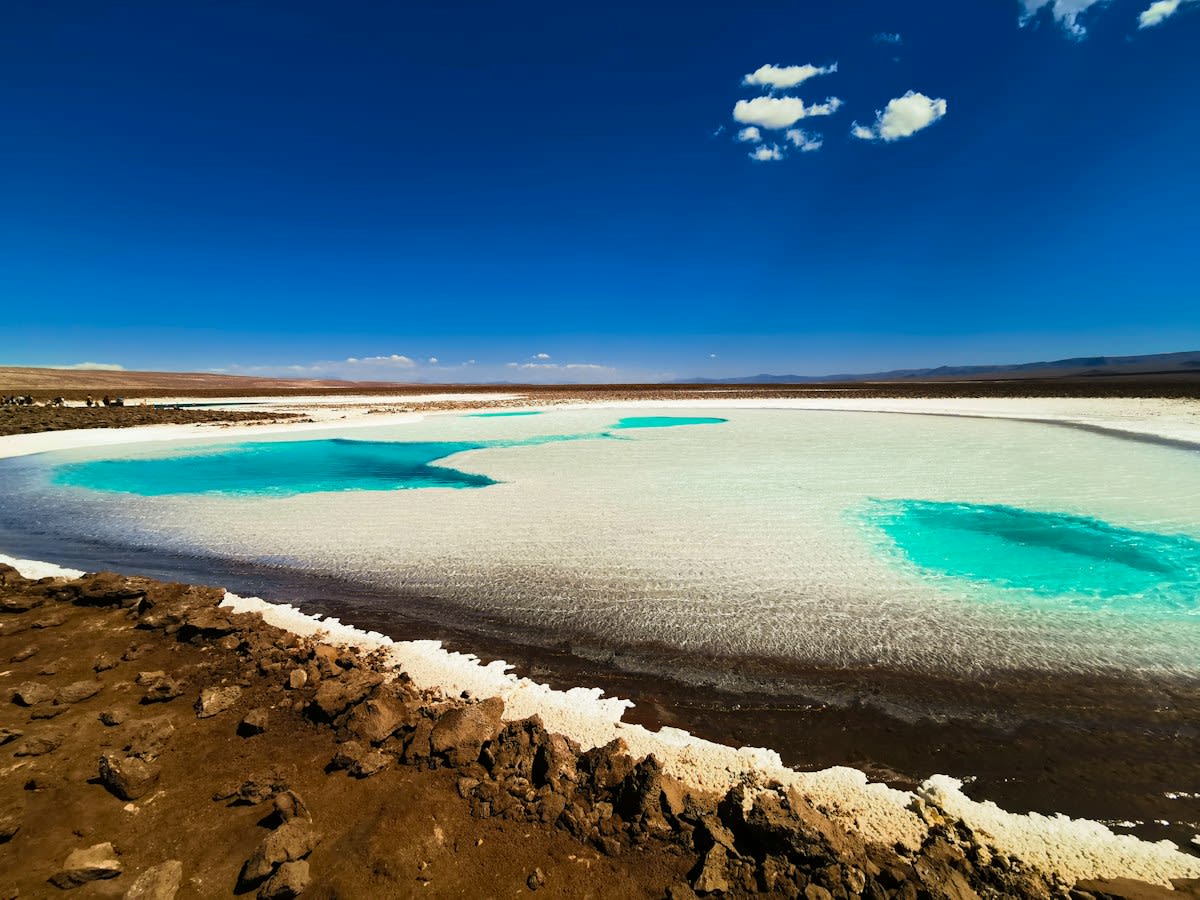
Water is the cost. To pull one ton of lithium from the Salar de Atacama, operators must pump millions of liters of brine, leaving the local aquifers bone dry (Source: World Bank, 2021). The locals notice first. This isn't just a chemistry problem; it is a survival problem for the indigenous communities who have lived on the edge of these flats for centuries. Can a green transition be called just if it dehydrates the Atacama?
The Friction of the Pond
Ponds are slow. They rely on the relentless Andean sun to concentrate the minerals over eighteen months of waiting and praying for no rain. Speed is the new god. Investors demand quarterly growth, but the sun doesn't work on a fiscal calendar. This tension creates a brittle operational environment where any deviation in weather ruins the batch.
"The industry is currently obsessed with speed over stability, ignoring the fact that brine chemistry is as volatile as the politics of the regions where it is found."— Dr. Elena Rossi, Senior Energy Analyst at the Global Energy Institute
Internal battles rage. Only those in the field know the visceral hatred between the evaporation pond traditionalists and the Direct Lithium Extraction (DLE) evangelists. The traditionalists argue that DLE is an unproven fantasy that consumes too much energy. The DLE camp claims that ponds are primitive relics that waste 40% of the available lithium (Source: Benchmark Mineral Intelligence, 2022). I have sat in meetings where these two groups spent four hours arguing about pore pressure while the board of directors wondered why production was stalling.
| Method | Extraction Time | Water Intensity | Recovery Rate |
|---|---|---|---|
| Evaporation Ponds | 12-24 Months | Very High | 40-50% |
| DLE (Direct Extraction) | Hours/Days | Medium/Low | 70-90% |
DLE is the hope. If the technology scales, we can stop carving the desert into giant geometric scars and start pumping and reinjecting brine in a closed loop. The grip of the old guard is strong. Most mining companies are terrified to move away from ponds because the capital expenditure for DLE is staggering. Who wants to bet a billion dollars on a chemical process that might fail in the thin air of the Altiplano?
The Global Collision
Australia competes. While the Andes offer brine, Western Australia provides spodumene, a hard rock mineral that is faster to mine but more expensive to process. The markets collide. In 2022, Australia's share of lithium production hovered around 47%, creating a tug-of-war between rock and brine (Source: USGS, 2023). This is a war of margins.
China controls everything. They don't just mine; they refine the vast majority of the world's lithium into battery-grade carbonate. This is the real weight of the industry. Even if Chile pumps the brine, the value is added in factories in Ningbo or Shenzhen. Why do we think we can build a decentralized grid when the refinery is centralized in one country?
Fact-Check & Accuracy Note
Verify all lithium reserve claims against the most recent USGS Mineral Commodity Summaries. Note that 'recoverable reserves' often differ from 'total resources' due to the chemical impurities of specific salt flats, such as high magnesium content in Bolivian brines which makes extraction more costly.
Bolivia is the ghost. It holds the largest resources on earth in the Salar de Uyuni, yet it produces almost nothing. Politics are the wall. Nationalization efforts and a lack of technical expertise have turned the world's largest battery into a geopolitical ornament. Will Bolivia ever find the balance between sovereignty and solvency?
The grid awaits. To stabilize wind and solar, we need terawatt-hours of storage, which requires an exponential increase in brine extraction. This is a hard turn for the environment. We are essentially mining the water table to save the atmosphere. It is a brutal trade.
Editorial Note
This analysis assumes a continued reliance on Lithium-ion chemistry. The emergence of Sodium-ion batteries could render brine extraction less critical, though current energy density limits make Sodium a secondary option for grid-scale storage.
Truth is heavy. We want the luxury of clean energy without the dirt of the mine. The desert knows better. As we suture these salt flats into the global power web, we must accept that there is no such thing as a free electron.