The End of the Geographic Lottery
For nearly a century, geothermal energy was a game of luck. You either lived in Iceland, Kenya, or the Western United States, or you simply didn't have access to the Earth's internal furnace. Traditional hydrothermal power relied on a rare geological trifecta: heat, water, and permeability. If one was missing, the project was a non-starter. But a quiet revolution is unfolding beneath our feet. We are transitioning from a period of 'finding' resources to 'engineering' them. This shift, known as Enhanced Geothermal Systems (EGS), allows us to create artificial reservoirs in hot, dry rock, effectively decoupling geothermal energy from specific volcanic geographies.
Why does this matter now? Because the global energy grid is hitting a wall with intermittency. Solar and wind are essential, but they cannot provide the constant, unwavering 'baseload' power required by heavy industry and AI-driven data centers. While lithium-ion batteries handle short-term fluctuations, they cannot sustain a city through a week-long wind lull. Engineered heat offers a 24/7 carbon-free alternative that occupies a fraction of the land required by solar farms. We are seeing a pivot from the 'intermittent' mindset to a 'constant' mindset, where the ground itself becomes a thermal battery of infinite scale.
The Delta: From Experimental to Commercial
Twelve months ago, EGS was largely a venture capital gamble—a series of promising whitepapers and small-scale pilots. Today, the delta is visible in the hardware. We have moved from vertical drilling to precision horizontal drilling, borrowing the 'shale revolution' playbook from the oil and gas industry. By utilizing multi-stage hydraulic fracturing and precision steering, companies can now create a network of cracks in crystalline basement rock, allowing water to circulate and carry heat to the surface with unprecedented efficiency. This isn't just a marginal improvement; it is a step-change in how we access planetary energy.
The scale of this shift is reflected in recent deployment data. According to the U.S. Department of Energy's 2024 Enhanced Geothermal Shot, the goal is to reduce the cost of EGS by 90% to reach a target of $45 per megawatt-hour by 2035 (Source: U.S. Department of Energy, 2024). This pricing would make engineered heat competitive with the cheapest fossil fuel plants. We are no longer debating if the technology works, but rather how quickly we can scale the drilling rigs to meet the demand of a decarbonizing global economy.
"The ability to engineer a reservoir means we are no longer hunting for needles in haystacks. We are building the needles ourselves, wherever the heat is accessible."— Tim Latimer, CEO of Fervo Energy
This transition is gaining momentum globally. In Iceland, the Iceland Deep Drilling Project (IDDP) has pushed into supercritical zones, where water exists in a state neither liquid nor gas, potentially increasing the power output of a single well by ten-fold (Source: IDDP, 2023). Meanwhile, in East Africa, Kenya is expanding its geothermal capacity to provide nearly 50% of its national electricity, proving that geothermal is the backbone of emerging industrial economies.
The Practitioner's Friction: What Happens at 10,000 Feet
On the ground, the debate isn't about climate goals—it's about metallurgy and seismicity. If you talk to the drilling engineers in the field, they aren't discussing 'green energy'; they are discussing the failure rates of drill bits in hard granite. Drilling through crystalline rock is an exercise in attrition. The friction generates heat that can melt standard electronics, and the pressure can cause 'induced seismicity'—small earthquakes that trigger local anxiety and regulatory shutdowns. The real battle is fought in the materials lab, developing tungsten-carbide bits and high-temperature sensors that can survive 300 degrees Celsius for months at a time.
There is also a fierce internal debate regarding 'closed-loop' versus 'open-loop' systems. Open-loop systems fracture the rock to let water flow through the formation, which maximizes heat exchange but risks fluid loss. Closed-loop systems, effectively giant underground radiators, eliminate the risk of leaks and earthquakes but struggle with lower heat transfer efficiency. Practitioners are currently split: some bet on the raw power of fracturing, others on the safety and predictability of the closed loop.
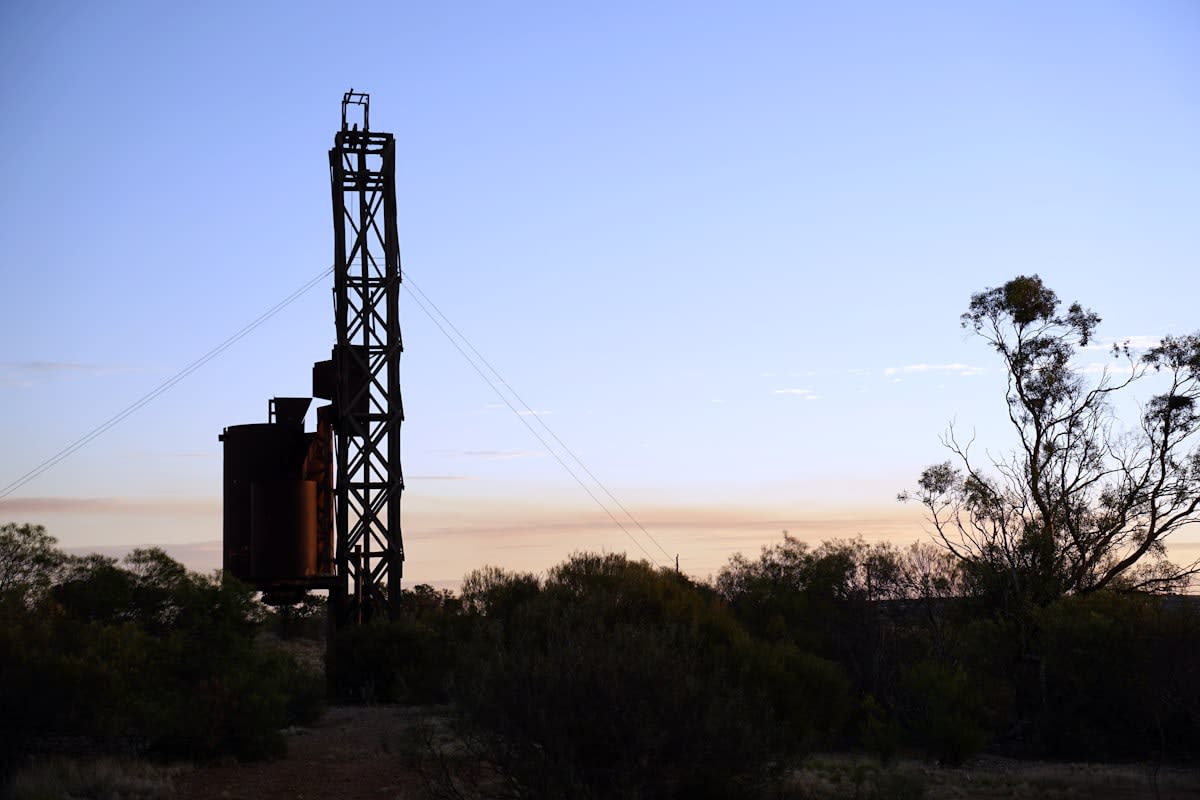
This technical friction is the only thing standing between us and a world of ubiquitous baseload power. Once the 'drill bit problem' is solved, the marginal cost of adding more geothermal capacity drops precipitously. We are essentially applying 50 years of petroleum engineering to a different molecule—water instead of oil—to harvest a different energy source—heat instead of hydrocarbons.
Economic Realities and Global Deployment
The economics of geothermal are shifting from high-CAPEX risks to predictable infrastructure plays. Historically, the 'dry hole' risk—spending millions to drill a well that produced no heat—killed investment. However, advanced seismic imaging and machine learning are now reducing this uncertainty. The International Energy Agency reports that geothermal capacity must grow significantly to meet Net Zero scenarios, with a projected increase in global installed capacity by over 20% by 2030 (Source: IEA, 2023).
| Feature | Traditional Geothermal | Engineered Geothermal (EGS) |
|---|---|---|
| Location Requirement | Tectonic Plate Boundaries | Virtually Anywhere |
| Water Source | Natural Aquifers | Injected Fluid |
| Risk Profile | High (Dry Hole Risk) | Moderate (Technical/Drilling Risk) |
| Scalability | Limited by Nature | Limited by Capital/Technology |
We are seeing a fascinating convergence of interests. Big Tech companies, desperate for 24/7 power to fuel LLM training clusters, are bypassing traditional utilities to partner directly with geothermal startups. By securing a direct line to a geothermal well, a data center can eliminate its reliance on the volatile spot market for electricity and the carbon-heavy backup generators that currently plague the industry. This 'corporate baseload' strategy is accelerating the deployment of EGS faster than government subsidies alone ever could.
- Repurposing of abandoned oil and gas wells for geothermal heat recovery.
- Integration of plasma drilling technology to reach deeper, hotter layers of the crust.
- Deployment of binary cycle plants that can generate power from lower-temperature fluids.
- Cross-border knowledge transfer between Iceland's drilling experts and US shale engineers.
As we look toward the next decade, the question is no longer whether geothermal can scale, but how it will integrate with the rest of the grid. If EGS becomes ubiquitous, it changes the value proposition of solar and wind. Instead of fighting for storage solutions, the grid can use geothermal as the steady floor and renewables as the peak-shaving ceiling. This creates a resilient, multi-layered energy architecture that is immune to weather patterns and geopolitical fuel shocks.
Fact-Check & Accuracy Note
Key claims regarding the cost reduction targets ($45/MWh) are sourced from the U.S. Department of Energy's Enhanced Geothermal Shot (2024). Global capacity projections are based on the IEA's 2023 Renewables report. Areas of ongoing debate include the long-term stability of engineered fractures and the precise threshold for induced seismicity in urban environments.