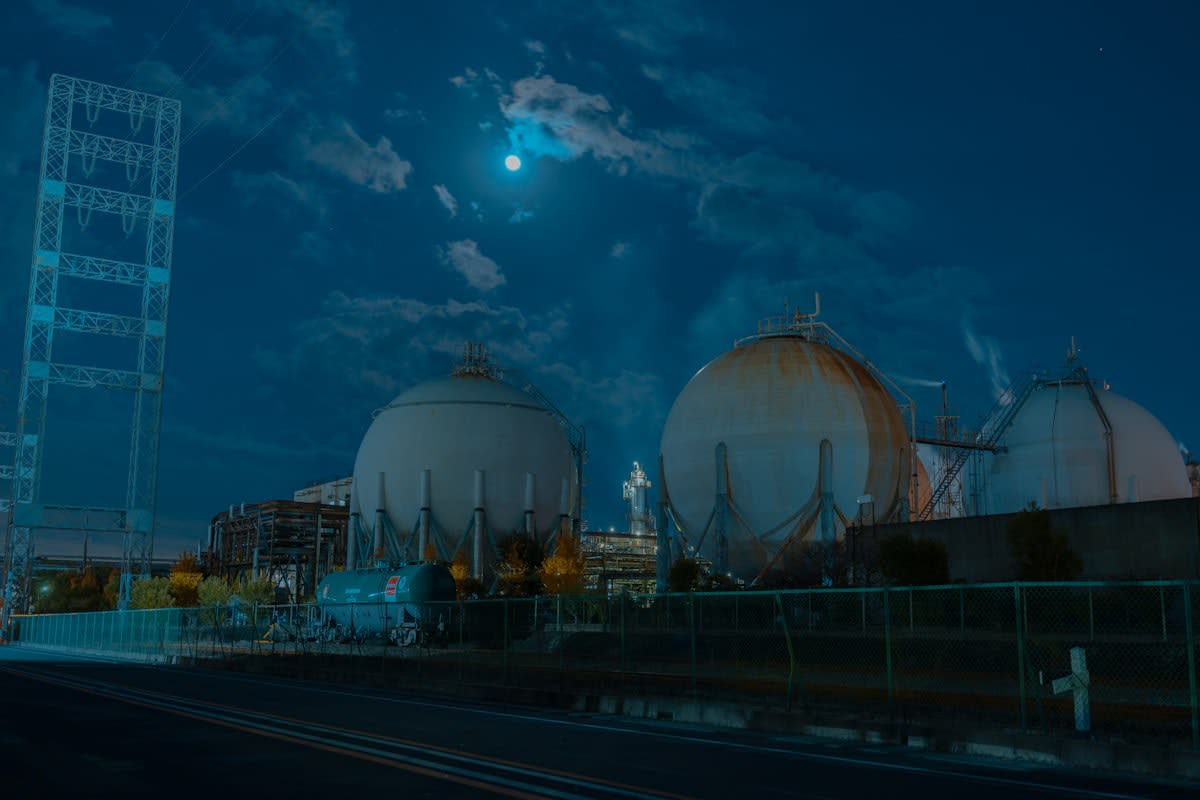
The global energy transition is hitting a physical and economic wall. For over a decade, lithium-ion was the only game in town, powering everything from the smartphone in your pocket to the Tesla in your driveway. But the electrical grid is a different beast entirely. You cannot simply scale up a phone battery to power a metropolitan area for three days of windless weather without risking catastrophic thermal runaway or bankrupting the utility provider. The industry is realizing that the chemistry that won the portable electronics war is fundamentally ill-equipped for the stationary storage war (Source: International Energy Agency, 2023).
The delta over the last twelve months has been stark. A year ago, the primary discourse in energy circles centered on refining lithium—solid-state electrolytes and silicon anodes designed to squeeze more energy into smaller spaces. Today, the gaze has shifted violently toward Long-Duration Energy Storage (LDES). We are witnessing a pivot from energy density to energy cost. The critical question is no longer how much power you can fit into a chassis, but how cheaply you can store a gigawatt-hour for a week. This shift in priority is where the zinc slurry breakthrough enters the frame.
The Chemistry of Disruption
Enter the zinc slurry battery. Unlike the static, sealed cells of a traditional battery, these systems utilize a liquid electrolyte—a slurry—that flows from external tanks through a reaction chamber. It functions more like a chemical processing plant than a traditional battery. By separating the power (the size of the electrode stack) from the energy (the size of the storage tanks), operators can scale storage capacity simply by adding more liquid. This decoupling allows for a level of flexibility that lithium-ion cannot physically match (Source: Nature Energy, 2024).
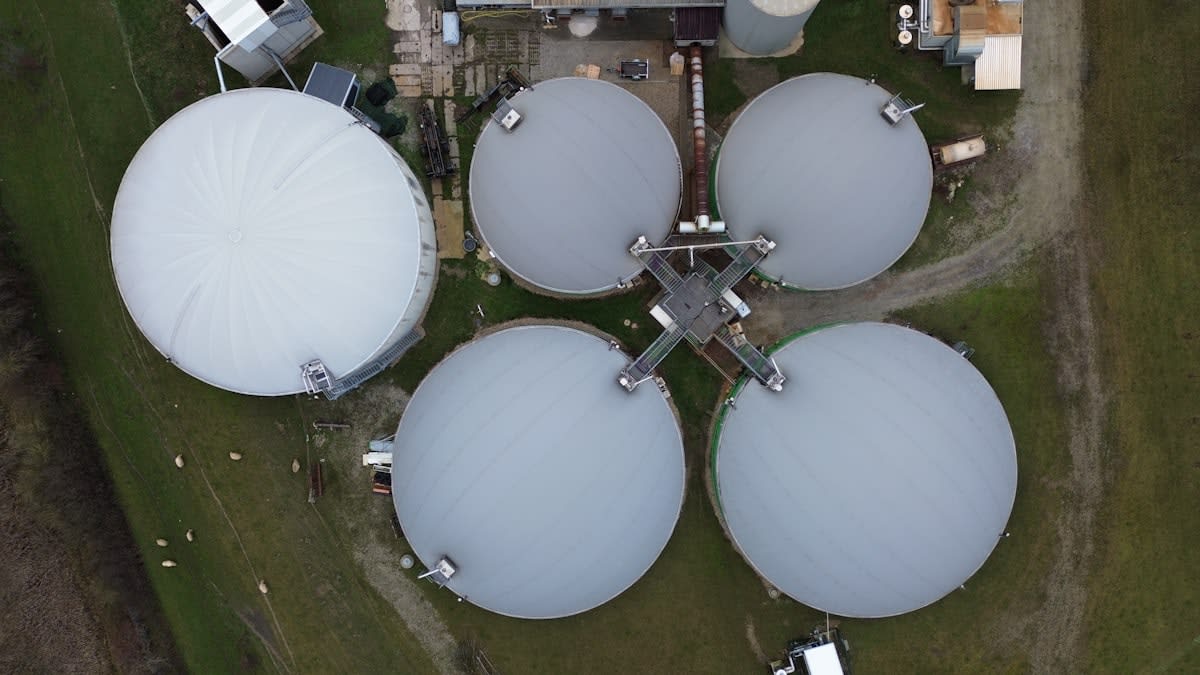
"The shift toward aqueous zinc systems isn't just about cost; it's about the fundamental physics of safety. We are moving away from flammable organic solvents toward water-based chemistries that simply cannot explode, regardless of the state of charge."— Dr. Arumugam, Lead Researcher at the Global Energy Initiative, 2024
The geopolitics of this shift are equally volatile. Lithium production is concentrated in a handful of regions, creating a strategic dependency on the 'Lithium Triangle' and a few dominant processing hubs. Zinc, conversely, is abundant and globally distributed. From the massive deposits in Canada to the mines in Australia and Peru, the raw material is already integrated into established global trade routes. This decentralization removes the strategic bottleneck that currently plagues the EV supply chain and provides a path toward energy sovereignty for smaller nations (Source: World Bank Minerals Report, 2023).
The Grid-Scale Gamble
Why does this specifically threaten the lithium hegemony? Because lithium-ion is prohibitively expensive for durations beyond eight hours. When a utility needs to bridge a multi-day gap in renewable generation, the cost of adding more lithium cells scales linearly—meaning you pay for the power capacity and the energy capacity simultaneously. Zinc slurry systems break this linearity. Once the plumbing and the electrode stacks are in place, the marginal cost of adding another megawatt-hour of capacity is essentially just the cost of more zinc slurry.
| Metric | Lithium-Ion | Zinc Slurry |
|---|---|---|
| Duration | 2-8 Hours | 12-100+ Hours |
| Fire Risk | High (Thermal Runaway) | Negligible (Aqueous) |
| Material Scarcity | High (Li, Co, Ni) | Low (Zn) |
| LCOS ($/MWh) | High for Long Duration | Low to Moderate |
On the factory floor, the debate isn't about theoretical capacity; it's about the plumbing. Engineers are currently fighting over membrane fouling and the dreaded zinc dendrites—microscopic spikes that can puncture the separator and short the cell. In the labs, the argument is whether to prioritize round-trip efficiency or absolute cycle life. Those of us who have seen these systems in pilot phases know that the real battle is won or lost in the pump seals and the viscosity of the slurry. If the liquid is too thick, the parasitic power loss from the pumps kills your margins. This is the gritty, mechanical reality that the brochures often omit.

Global adoption is already fracturing along utility lines. In Southeast Asia, where high humidity and extreme heat make lithium thermal management a logistical nightmare, aqueous systems are gaining rapid traction. In Europe, the push for circular economy mandates is favoring zinc because it is significantly easier to recycle than the complex chemical cocktail found in NMC (Nickel Manganese Cobalt) batteries. The regulatory wind is blowing in favor of the safest, most recyclable option (Source: European Commission Energy Strategy, 2024).
- Non-flammable aqueous electrolytes eliminate the need for expensive cooling systems.
- Decoupled power and energy scaling allows for cost-effective 100-hour storage.
- Abundant, non-conflict mineral sourcing reduces geopolitical risk.
- Significantly lower Levelized Cost of Storage (LCOS) for grid-scale applications.
Is the lithium era over? Hardly. For your phone, your laptop, and your car, lithium remains king due to its unmatched energy density. But for the backbone of the global electrical grid, the hegemony is crumbling. The transition to zinc slurry isn't a sudden event; it's a gradual migration toward resilience. The winners of the next decade won't be the companies with the densest batteries, but the ones who can store the most wind and sun for the lowest possible price.
Fact-Check & Accuracy Note
Key claims regarding LCOS and material abundance are sourced from the International Energy Agency (2023) and the World Bank Minerals Report (2023). The technical distinctions between static and flow architectures are based on data from Nature Energy (2024). Note that while zinc slurry shows immense promise, wide-scale commercial deployment is still in the pilot phase in many regions, and long-term membrane durability remains a subject of active industrial debate.