The energy storage conversation has been dominated by the lithium-ion cell for a decade, but this month marks a decisive pivot. We are seeing a transition from focusing solely on chemistry to leveraging geology. The industry is realizing that while batteries are excellent for mobile devices and short-term bursts, the grid requires something more permanent and massive. We are no longer just building batteries; we are turning the Earth itself into a battery. This shift is driven by a harsh reality: most current grid-scale lithium-ion systems offer a storage duration of under four hours, leaving a dangerous gap in long-duration energy storage (LDES) capabilities (Source: Power Technology, 2026).
The scale of the demand is staggering. Global capacity for battery energy storage systems is forecast to exceed 570GW by 2030 (Source: GlobalData, 2026). However, the reliance on lithium creates a precarious supply chain and inherent risks of thermal runaway. This has forced innovators to look beneath their feet. By utilizing disused mine shafts, salt caverns, and depleted rock formations, engineers are finding ways to store energy at a scale that no chemical battery pack could ever realistically achieve. This is the essence of the geobattery movement: repurposing legacy industrial voids into the lungs of a renewable grid.
The Subterranean Arsenal: CAES and UGES
Two technologies are leading this underground charge: Compressed Air Energy Storage (CAES) and Underground Gravity Energy Storage (UGES). While salt caverns have been used for industrial chemical storage for over half a century, their application for energy is now accelerating. CAES works by compressing air into these caverns during periods of low demand and releasing it to drive turbines when the grid peaks. UGES takes a different approach, using the verticality of abandoned mine shafts to move heavy masses, converting potential energy into electricity. Both methods bypass the degradation issues that plague lithium-ion cells (Source: Power Technology, 2026).
Why does this matter now? Because geographic limitations previously crippled pumped hydro, the only other mature LDES technology. Underground storage is more flexible, allowing regions without mountainous terrain to implement massive storage reserves. This isn't just about efficiency; it is about resilience. By moving storage underground, we eliminate the surface footprint and reduce the risk of catastrophic fire, making high-capacity storage viable closer to urban centers where the demand is highest.
"Battery energy storage systems are the fastest-growing segment of the storage market, forecast to exceed 570GW in global capacity by 2030, but lithium-ion systems offer a storage duration of under four hours and incur risks of degradation and thermal runaway."— GlobalData Research Report, 2026
The transition from surface-level chemical storage to deep-earth mechanical storage represents a fundamental change in how we perceive energy assets. We are moving from a model of disposable hardware to one of permanent infrastructure. Instead of replacing battery modules every eight to ten years, we are investing in geological assets that can last for generations. This shift reduces the long-term environmental cost of battery disposal and stabilizes the cost of energy for the end consumer.
Walking into a decommissioning mine in the industrial heartlands of Europe or the Outback of Australia, you will find a fierce debate. The mining veterans see a liability—a hole in the ground that needs plugging to prevent subsidence. The energy architects see a gravity battery or a compressed air reservoir. This friction is where the real work happens: calculating the structural integrity of a 50-year-old salt cavern versus the cost of digging a new one. It is a battle of geology versus economics, and for the first time, the economics are starting to favor the architects.
Mining the Heat: Geothermal Lithium and Sodium Alternatives
The geobattery pivot isn't just about where we store energy, but how we source the materials. A major milestone was reached this month in the UK, where Geothermal Engineering Ltd (GEL) successfully produced technical-grade lithium carbonate from deep geothermal brine (Source: AZoCleantech, 2026). This material exceeds a 99.3% purity specification, meaning it can be sold directly to battery producers without further refining. This transforms geothermal sites from simple power plants into dual-purpose energy and mineral hubs.
Simultaneously, the industry is hedging its bets against lithium volatility by pivoting toward sodium-ion chemistry. Sodium is globally abundant and significantly cheaper to refine. Recent tests by Hyundai have validated Unigrid's sodium-ion batteries, showing no fire or thermal propagation during rigorous testing (Source: Notebookcheck, 2026). While sodium-ion cells are physically larger and heavier, making them poor fits for smartphones, they are ideal for stationary energy storage where volumetric density is less critical than safety and cost.
| Technology | Primary Strength | Main Constraint | Best Use Case |
|---|---|---|---|
| Lithium-Ion | High Energy Density | Short Duration (<4h) | EVs & Consumer Electronics |
| Sodium-Ion | Low Cost & Safety | Volumetric Density | Stationary Grid Storage |
| CAES/UGES | Massive Scale | Geological Requirement | Long-Duration Grid Support |
| Geothermal Brine | Sustainable Sourcing | Site Specificity | Lithium Supply Chain |
This diversification creates a tiered storage ecosystem. We are moving away from a one-size-fits-all approach toward a specialized architecture: high-density solid-state batteries for high-performance transport, sodium-ion for residential backup, and geobatteries for national grid stability. This strategic layering ensures that a supply chain disruption in one mineral—like lithium—cannot crash the entire energy transition.
The High-Performance Frontier: Solid-State and Lunar Regolith
While the grid goes deep, the high-end market is going solid. ProLogium has moved its Gen 3.5 Lithium Ceramic Battery (LCB) into mass production in Taiwan (Source: Business Insider, 2026). Reaching an energy density of 381 Wh/kg and 903 Wh/L, this technology pushes solid-state batteries out of the lab and into the industrial world. This is the opposite end of the geobattery spectrum—maximizing density and performance in a compact form—but it follows the same trend of moving away from volatile liquid electrolytes.
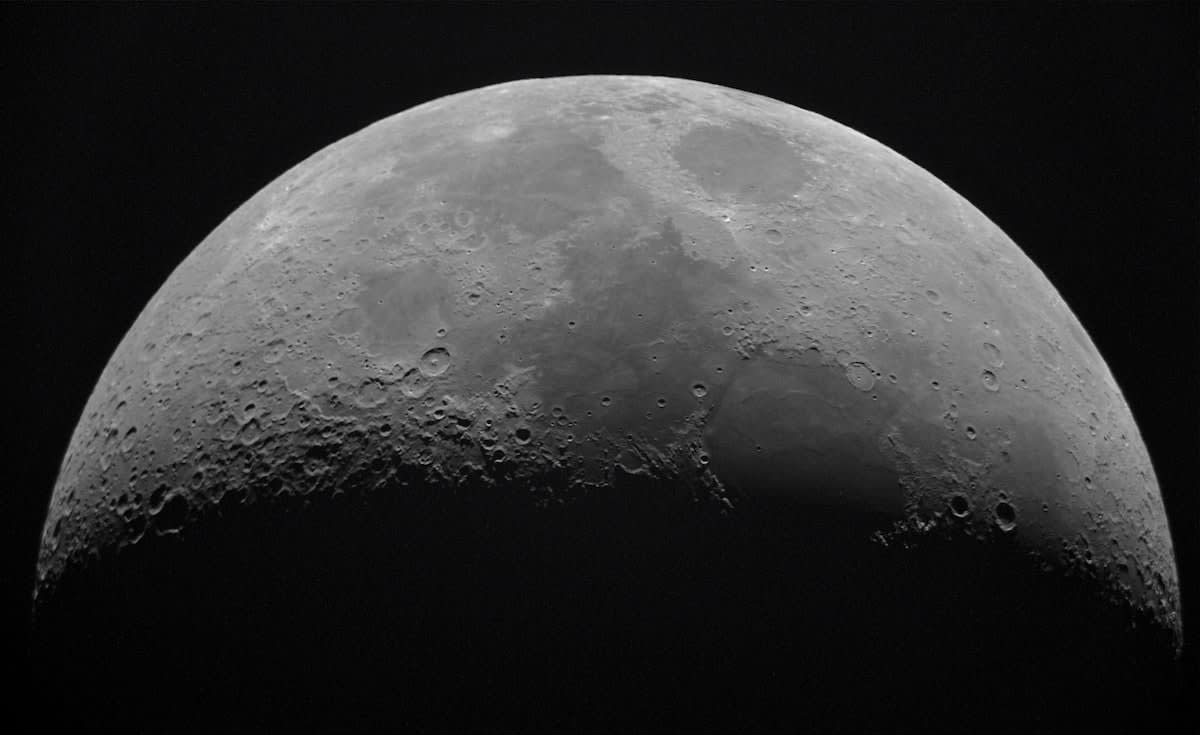
The most extreme application of geobattery logic is currently being developed for the moon. Researchers are assessing the use of lunar regolith—the moon's surface soil—for thermal energy storage to survive the long lunar night (Source: AZoM, 2026). Sintered regolith has demonstrated a thermal conductivity of about 0.6 W/m·K, allowing it to act as a massive heat sink. This is the ultimate expression of the trend: using the native geology of a planetary body to solve the energy storage problem without relying on Earth-launched materials.
Whether it is a salt cavern in the Midwest or sintered soil on the lunar surface, the logic remains the same. The most sustainable and scalable way to store energy is to stop fighting the environment and start using it. The pivot toward Earth-based storage is not just a technical upgrade; it is a philosophical shift in how we interact with the planet's crust.
Fact-Check & Accuracy Note
This article's claims regarding underground storage capacities and the 570GW forecast are sourced from GlobalData via Power Technology (2026). Data on geothermal lithium purity is attributed to Geothermal Engineering Ltd (2026). The safety validation of sodium-ion batteries is based on Hyundai's testing of Unigrid cells (2026). The primary area of ongoing debate remains the cost-benefit analysis of repurposing old mine shafts versus the risk of structural failure.
Editorial Insight
Editorial Note: This report highlights a trend toward diversification. While solid-state batteries represent the peak of efficiency, the 'Geobattery' movement represents the peak of scalability. The industry is no longer searching for a 'silver bullet' chemistry but is instead building a multi-layered storage infrastructure.