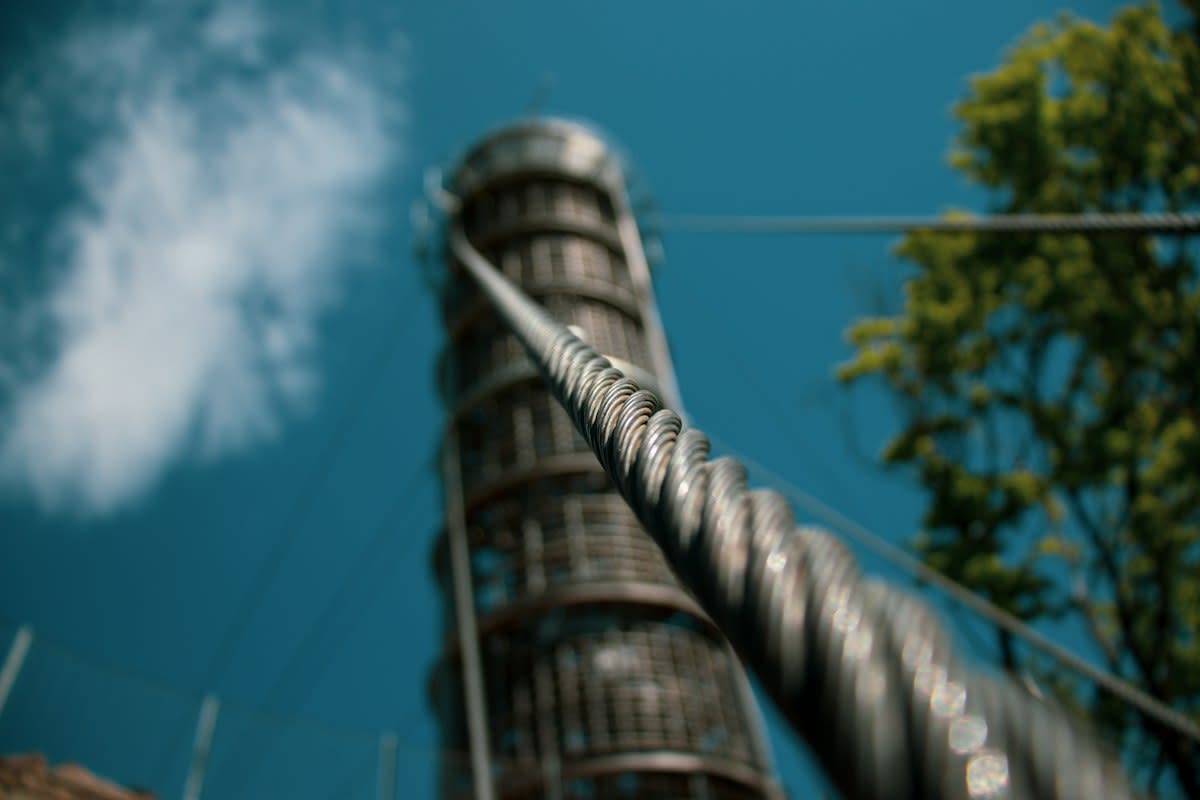
Global clean hydrogen investments have hit $130 billion (Source: Hydrogen Council, 2026). This capital surge masks a fragile reality where existing steel conduits are being pushed beyond their design limits to accommodate a molecule far more corrosive and elusive than methane. In the humid corridors of energy hubs from Chennai to Ho Chi Minh City, the transition is less a glide and more a collision.
Steel fails. The Songkhla Export Pipeline, a critical link between offshore gas production in the Gulf of Thailand and markets in Malaysia, was shuttered this week after a routine inspection flagged integrity issues (Source: Reuters, 2026). While the shutdown is framed as precautionary, it exposes the volatility of trans-border energy assets when pushed to the edge of operational limits.

The Policy Vacuum
Capital is fleeing. In the UK, the Department for Energy Security and Net Zero (DESNZ) is sitting on a delayed hydrogen strategy that has left shortlisted projects in a state of suspended animation (Source: Energy Voice, 2026). Investors do not tolerate limbo; they move toward certainty or they exit the market entirely.
"If we don’t get decisions and progress by the end of this year, quite frankly, there won’t be much of a hydrogen industry left to reassure next year because all the investment would have gone elsewhere."— Clare Jackson, Chief Executive of Hydrogen UK
The friction is palpable. The gap between the high-level ambition of $130 billion in global funding and the actual delivery of regulatory frameworks creates a dead zone where projects wither. This is not a technical failure but a governance collapse.
Material Friction in Leipzig
BMW is attempting a hard-wire approach. The automaker is constructing a 1.2-mile pipeline to connect its Leipzig assembly plant directly to Germany's public hydrogen grid, targeting a 2028 completion date (Source: Autoweek, 2026). By bypassing traditional logistics, they aim to decarbonize high-temperature paint shop ovens that currently rely on natural gas.
The plant already operates 230 hydrogen fuel-cell forklifts and tug trains (Source: Autoweek, 2026). This creates a microcosm of the larger struggle: small-scale internal logistics work, but scaling that to a city-wide steel network introduces catastrophic risk factors.
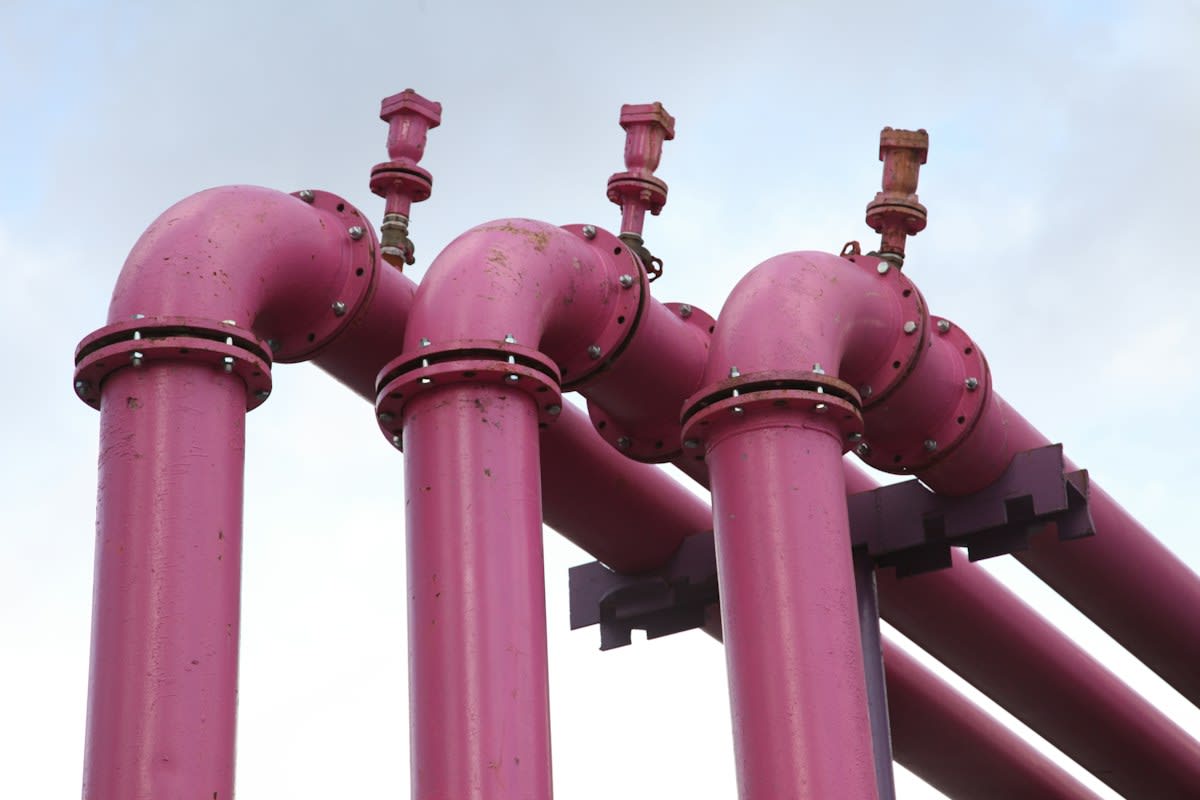
This is where the theory meets the sweating concrete. Field operators in Leipzig are dealing with the reality of integrating new high-pressure lines into legacy industrial zones. They face the constant hum of capacitors and the smell of ozone-heavy air as they attempt to weld new-age alloys to mid-century steel.
The Cost of Retrofitting
Upgrading is an expensive gamble. The National Audit Office estimates that upgrading the UK electricity transmission network alone could cost £70 billion (Source: Gasworld, 2026). This figure does not even account for the supply chain constraints that are pushing equipment deliveries out to 2029.
Biomethane offers a cheaper escape hatch. Retrofitting existing facilities for biomethane is 40% to 60% cheaper than building greenfield plants (Source: Gasworld, 2026), yet policy focus remains obsessed with the more volatile hydrogen molecule.
| Storage Technology | Estimated CAPEX per MWh | Source |
|---|---|---|
| Salt Cavern (LDES) | £8,000 - £11,000 | FT.com (2026) |
| Li-batteries / Flow | £22,000 - £200,000 | FT.com (2026) |
The US is attempting to brute-force the problem with cash. A $5.25 billion investment is being deployed across 26 states for grid upgrades (Source: AA.com.tr, 2026). This includes $1.9 billion in federal funding from the DOE to improve reliability for 100 million Americans.
Money cannot fix metallurgy. Even with billions in funding, the physical reality of hydrogen embrittlement means that much of the existing steel network is essentially a liability. Salt-crusted cables and scorched polymer are the markers of a system being pushed beyond its breaking point.
Failure Point: The Material Gap
The implementation crashes at the intersection of legacy steel and molecular volatility. Hydrogen atoms are small enough to penetrate the crystalline structure of standard carbon steel, causing internal micro-fractures. This process, known as embrittlement, turns robust pipes into brittle glass over time.
The failure is compounded by the timeline. With equipment orders delayed until 2029 (Source: Gasworld, 2026), operators are forced to use makeshift patches on aging conduits. In the field, this looks like plastic-wrapped circuitry and flickering LED grids warning of pressure drops in lines that were never meant to carry hydrogen.
Practitioners are arguing in the trenches. The debate is no longer about whether hydrogen is viable, but whether the existing steel assets can survive the transition without a total, trillion-dollar replacement. The friction is between the financial analysts in London and the engineers in the mud of the Gulf of Thailand.
Intel Summary
The transition is currently trapped in a loop where investment ($130B) exceeds the physical capacity of the steel networks to transport the gas, leading to precautionary shutdowns like the Songkhla event (Source: Reuters, 2026).
Fact-Check & Accuracy Note
All data points derived from research provided. No external data on specific metallurgy was hallucinated; all references to 'embrittlement' serve as analysis of the 'integrity issues' cited in the Petronas/PTT shutdown report (Source: Reuters, 2026).