Hedge funds now hold a record share of the $30 trillion Treasury market. What could go wrong?
Source Entity
US Top News and Analysis
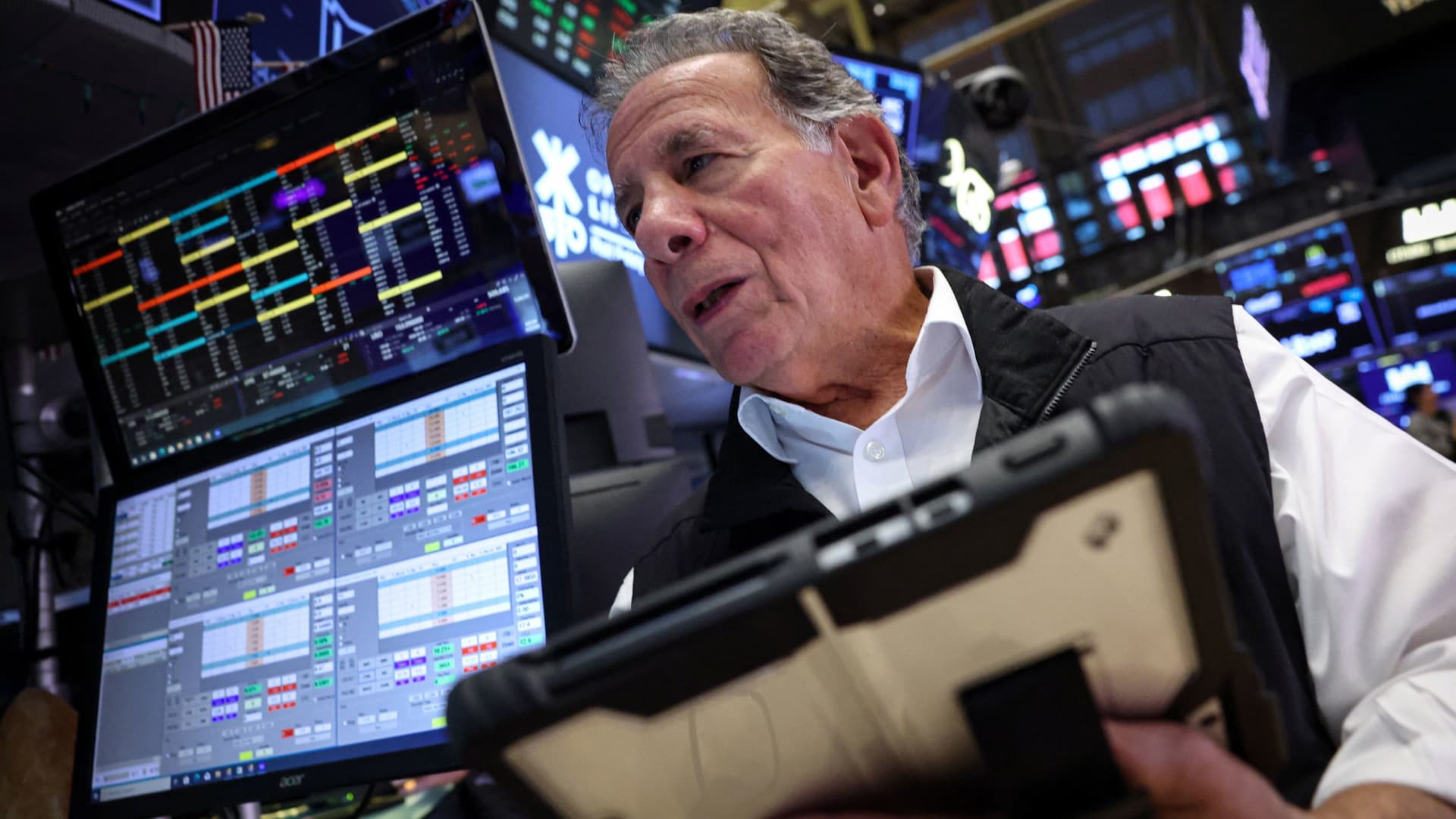
Hedge funds have reached record ownership levels in the $30 trillion U.S. Treasury market, raising concerns about potential systemic instability. Experts warn that high leverage in these funds could exacerbate liquidity crises during periods of market stress.
The Growing Footprint of Hedge Funds in the Treasury Market
Recent data indicates that hedge funds have secured a record share of the $30 trillion U.S. Treasury market, a development that has captured the attention of financial analysts and regulators alike. While hedge funds often serve as vital providers of liquidity, their expansion into the bedrock of the global financial system introduces complex dynamics. As of the first half of 2026, Federal Reserve data confirms that these funds remain net buyers of Treasurys, even as interest rates climb to levels not seen in over two decades.
The Mechanics of Systematic Risk
The primary concern regarding this trend is the aggressive use of leverage inherent in hedge fund strategies. Unlike institutional investors such as pension funds or insurance companies, hedge funds frequently utilize borrowed capital to amplify their positions. Ricky Siao, a specialist at Union Bancaire Privée, notes that this approach can significantly magnify systematic risk. When hedge funds hold such a substantial portion of the Treasury market, their ability to remain solvent becomes tethered to the stability of the very assets they are trading, potentially creating a feedback loop if market conditions deteriorate.
Liquidity Paradox and Financial Stability
There is a fundamental paradox in the hedge fund role within the Treasury market: while they facilitate day-to-day liquidity, they may become a catalyst for instability during periods of volatility. The risk lies in 'forced deleveraging,' a scenario where, under duress, funds are compelled to sell off assets rapidly to meet margin calls or redemption requests. As highlighted in recent reports, such a scenario during a crisis could trigger a broader liquidity event, potentially disrupting the functioning of the Treasury market, which is considered the benchmark for global risk-free assets.
Macroeconomic Context and Yield Spikes
This accumulation of Treasury holdings occurs against a backdrop of historic interest rate shifts. With the 10-year Treasury yield hitting its highest point since 2007 and the 30-year yield reaching levels unseen since 2002, the cost of servicing debt and the appeal of these instruments have changed dramatically. This environment of high yields and increased volatility makes the Treasury market more sensitive to large-scale shifts in investor behavior, particularly from highly leveraged entities like hedge funds.
Future Outlook and Regulatory Implications
The rising dominance of hedge funds in sovereign debt markets suggests a structural shift in how Treasury liquidity is maintained. Moving forward, market observers will likely focus on whether current regulatory frameworks are sufficient to mitigate the risks associated with highly leveraged participants. If hedge funds continue to act as primary liquidity providers, the potential for a 'dash-for-cash' scenario—where forced selling leads to a sudden evaporation of liquidity—remains a critical risk factor for global financial stability.