What's gone wrong at Nike? How the world's sportswear giant lost its mojo
Source Entity
BBC News
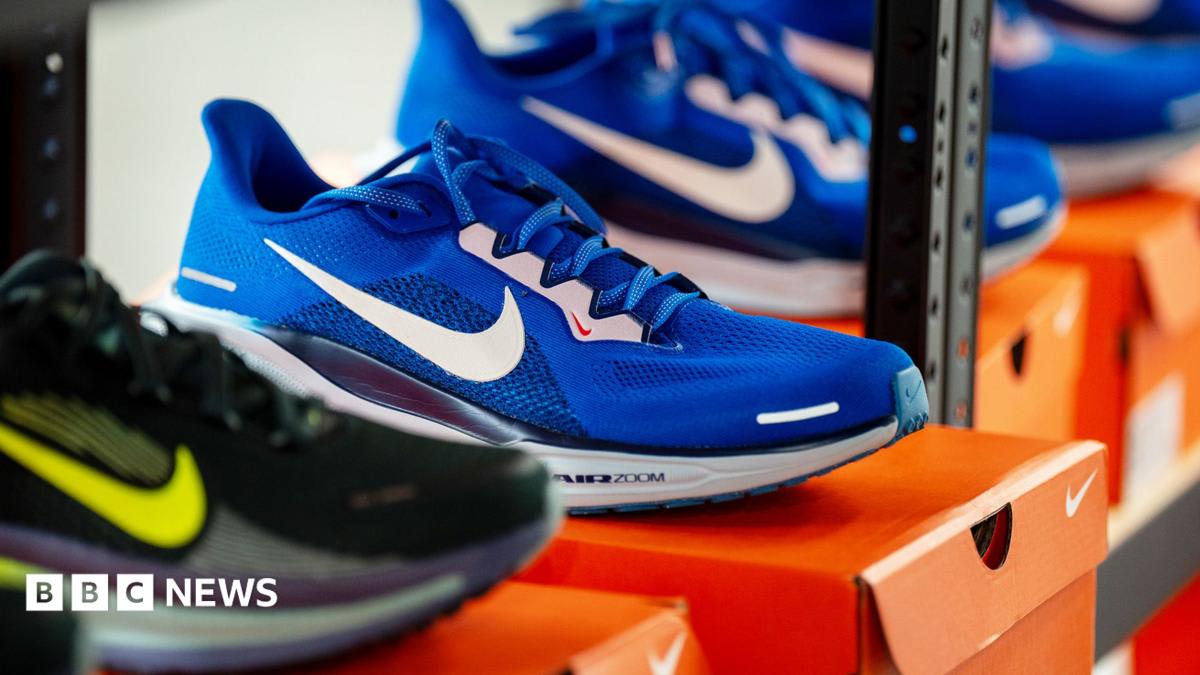
Nike is undergoing a difficult turnaround strategy led by CEO Elliott Hill to combat declining sales and market share. Despite internal efforts, the brand faces significant challenges, including a slump in the Chinese market and the high-profile loss of athlete Kylian Mbappé to a competitor.
The Nike Paradox: Navigating a Corporate Marathon
For decades, Nike has stood as the undisputed titan of the sportswear industry, synonymous with athletic excellence and cultural dominance. However, the brand is currently facing a period of introspection and volatility. Once the ultimate industry disruptor, Nike now finds itself struggling to maintain its position as the establishment, grappling with declining sales and a loss of market share to leaner, more agile competitors. This shift signals a critical juncture for the company as it attempts to reconcile its legacy with a rapidly changing retail landscape.
The Leadership Pivot and Strategic Turnaround
In an attempt to stabilize the ship, the company turned to Elliott Hill, a seasoned veteran who was brought out of retirement to spearhead a comprehensive turnaround strategy. The transition is inherently complex, as the company attempts to correct what many analysts describe as self-inflicted mistakes. While early signs suggest that Hill’s leadership is beginning to gain traction, the reality of the situation is that the recovery process is more of a marathon than a sprint. The market remains wary, as expectations for fiscal performance remain muted, with forecasts pointing toward "flattish" growth for the near term.
Challenges in Global Markets and Financial Headwinds
One of the most significant hurdles for Nike remains its performance in China, a region that was once a primary engine for the company's explosive growth. Persistent struggles within this market have contributed to the overall slump in revenue. With recent leadership changes in the financial department—notably the transition to David Denton as CFO—the company is attempting to instill a new fiscal discipline. Analysts are currently monitoring the situation closely, with expectations for earnings per share hovering around 43 cents and revenue targets set near $11.32 billion for the current fiscal quarter.
The Impact of Brand Identity and Competitive Shifts
Beyond financial metrics, Nike is facing a crisis of relevancy. The brand's competitive moat is being tested by emerging players like the Swiss brand On, which has successfully captured the attention of consumers and elite athletes alike. This competitive pressure was underscored by the recent loss of football superstar Kylian Mbappé, who concluded a 20-year relationship with Nike to join On. Such departures serve as a symbolic blow to Nike’s marketing dominance and highlight the changing loyalties in the professional sports endorsement landscape.
Future Outlook: Can Nike Regain Its Mojo?
The road ahead for Nike is fraught with challenges that extend beyond simple inventory management. The brand must prove that it can innovate at the speed of the market while maintaining the premium status that defined its rise to global dominance. As the company navigates this turbulent period, the focus will remain on whether its internal restructuring can translate into tangible growth. The ability to reclaim its "mojo" will depend entirely on its capacity to adapt its product offerings and marketing strategies to meet the demands of a new generation of consumers who are increasingly drawn to alternative performance brands.
Multiple Citing Sources