Nike’s troubles are mounting, and sales could fall further
Source Entity
Bill Peters
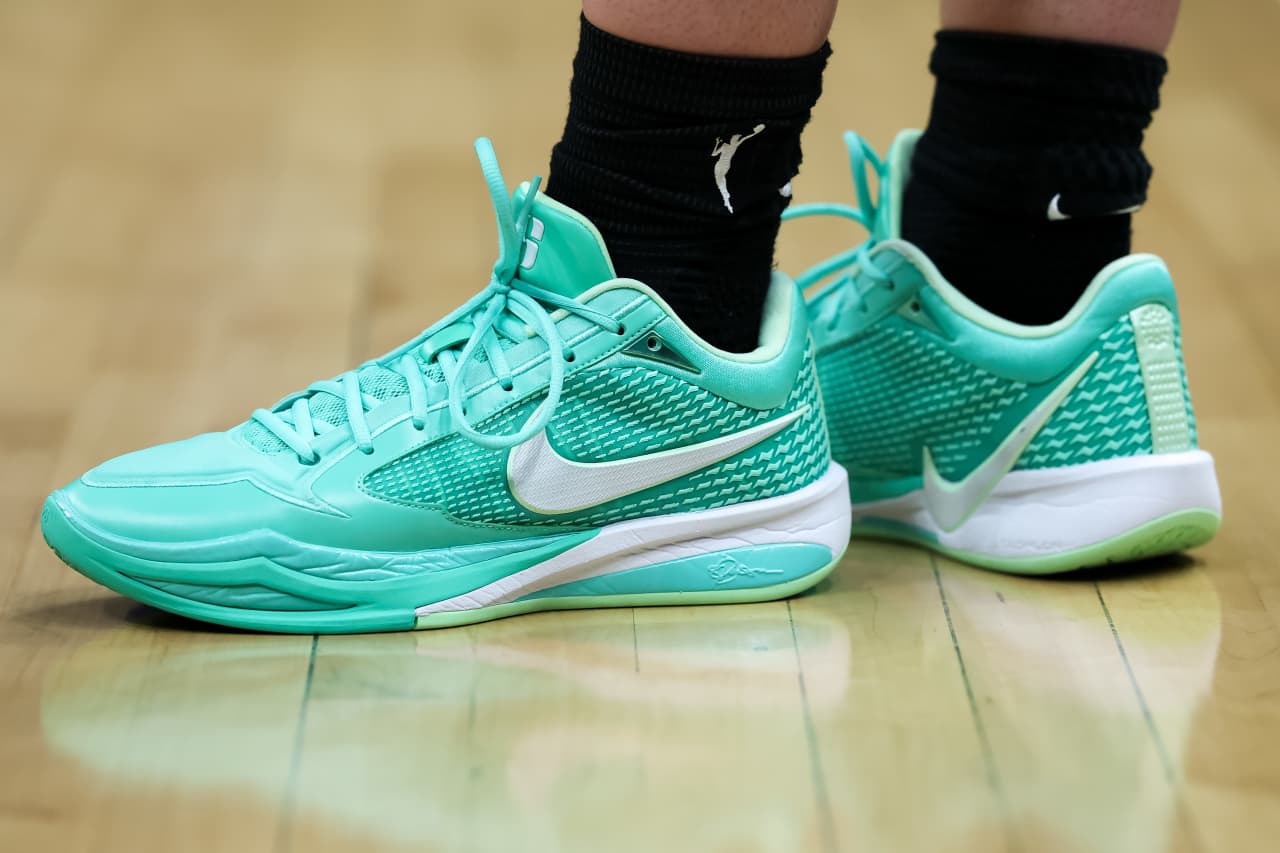
Nike is navigating a difficult period characterized by declining sales and stiff competition in key markets like China. Under the leadership of CEO Elliott Hill, the company is attempting a long-term turnaround strategy to regain its industry dominance.
The Decline of a Sportswear Titan
Nike, long considered the gold standard of the global sportswear industry, is currently navigating a period of profound instability. Once an industry disruptor that defined athletic culture, the company now finds itself fighting to maintain its market share against agile competitors. This struggle is reflected in recent fiscal reports, which indicate a trend of declining sales and a loss of momentum that has investors and analysts closely monitoring the brand's trajectory.
Self-Inflicted Wounds and Strategic Missteps
The current downturn is not merely a result of broader economic shifts but is compounded by a series of internal, self-inflicted mistakes. For years, Nike’s strategy prioritized direct-to-consumer digital growth, a move that inadvertently weakened its relationships with key wholesale partners and allowed rivals to fill the void. This strategic pivot, coupled with a perceived loss of innovation in its core sneaker business, has eroded the brand's "mojo," making it easier for consumers to switch to emerging competitors like On and Hoka.
The China Challenge
A significant portion of Nike’s recent struggle is rooted in its performance within the Chinese market. Once a primary engine for the company’s international growth, China has become a source of volatility. As local brands gain traction and consumer preferences shift, Nike has struggled to maintain its premium positioning. The company’s leadership has acknowledged this slump, framing the recovery in China as a critical, yet slow-moving, component of its broader revitalization efforts.
The Leadership Transition
To steer the ship, Nike brought back company veteran Elliott Hill to serve as CEO. His mandate is clear: stabilize the brand and reignite growth. However, the company has explicitly signaled that this turnaround is a "marathon, not a sprint." While early signs suggest the strategy is beginning to take hold, the market remains cautious. The arrival of new CFO David Denton, formerly of Pfizer, adds a layer of fiscal discipline to the transition as the company aims for "flattish" sales performance in the coming quarters.
Competitive Pressures and Brand Image
The brand’s vulnerability was recently underscored by the departure of football superstar Kylian Mbappé, who ended a 20-year relationship with Nike to join the Swiss brand On. This high-profile exit highlights the shifting landscape of athletic endorsements. As competitors aggressively pursue top-tier talent, Nike’s ability to retain its status as the premier destination for elite athletes is being tested in ways it has not been in decades.
Future Outlook
Looking ahead, Nike is caught between its legacy as an establishment giant and the need to regain the innovative spirit that once disrupted the market. With revenue expectations around $11.32 billion and earnings projections of 43 cents per share, the upcoming quarterly results will serve as a crucial benchmark for the effectiveness of the Hill-led recovery. Whether Nike can successfully navigate these headwinds depends on its ability to reconcile its massive scale with the agility required to survive in an increasingly fragmented sportswear market.
Multiple Citing Sources
Verification Required?