Your Money: How small UPI spends can wreck your budget
Source Entity
Latest News: Todays Latest News Headlines from India & World | Hindustan Times | Hindustan Times
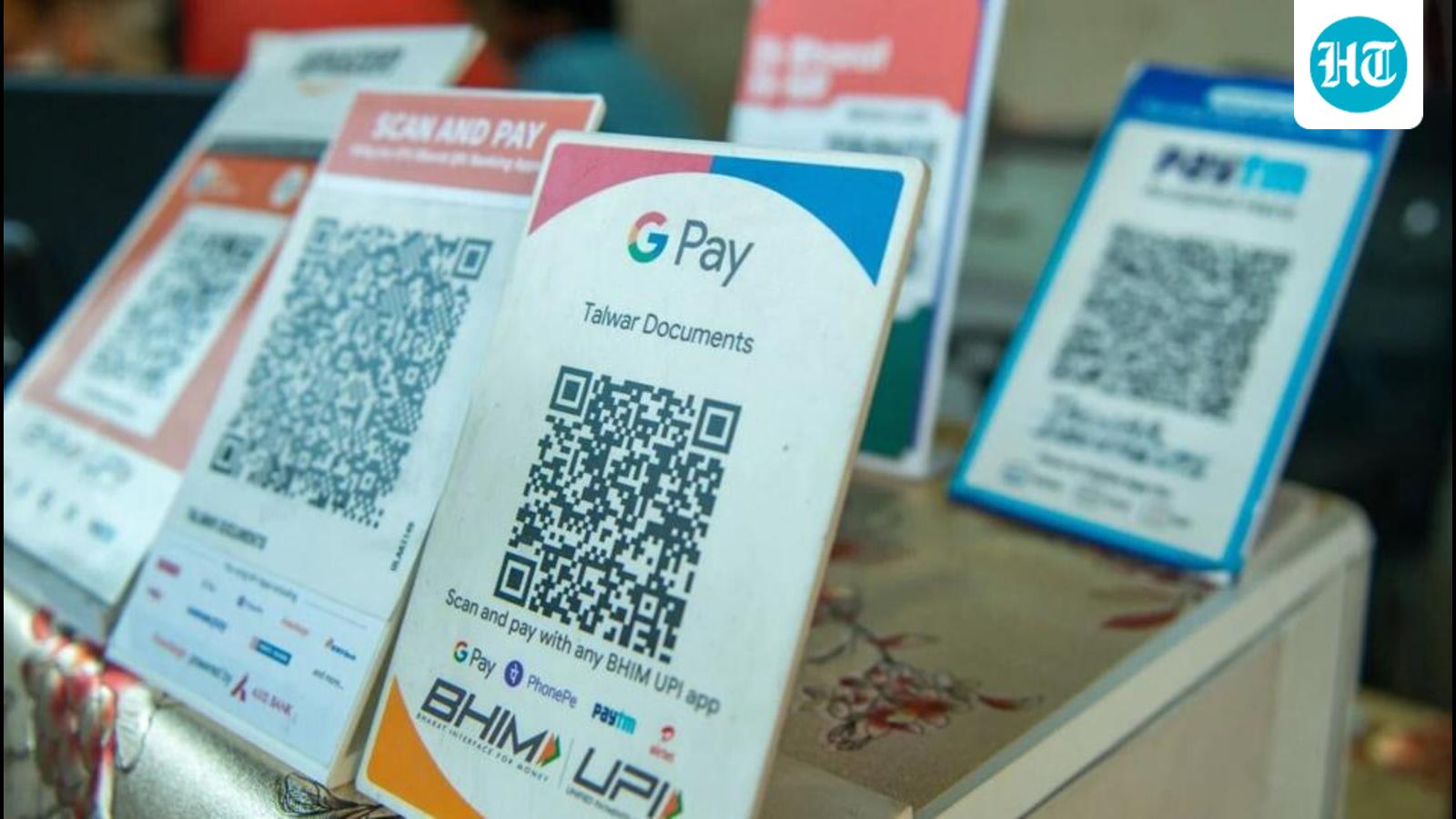
The surge in small, frequent UPI transactions has made personal budgeting increasingly difficult by masking total monthly expenditure. Experts suggest that mindful tracking and deliberate spending limits are essential to regain financial control in this digital-first economy.
The Silent Erosion of Personal Budgets Through Micro-Transactions
In the rapidly digitizing landscape of Indian finance, the Unified Payments Interface (UPI) has revolutionized how commerce is conducted. However, a concerning trend has emerged: the 'invisibility' of expenditure. Finance ministry data reveals that a staggering 86% of person-to-merchant (P2M) UPI transactions are under ₹500. This shift marks a departure from historical spending patterns, where financial discipline was maintained through large, memorable, and easily trackable cash or card outlays.
The Fragmentation of Spending
Modern financial behavior is increasingly defined by fragmentation. Because the friction associated with making a payment has been virtually eliminated, consumers are engaging in a higher volume of low-value transactions. These micro-spends, while individually trivial, aggregate into significant monthly sums that often escape notice. When expenses are broken down into hundreds of small digital entries, the psychological impact of spending is dampened, leading to a phenomenon where bank balances deplete without the consumer feeling a distinct 'pain of payment.'
Digital Dominance and Behavioral Shifts
The growth in both the volume and value of UPI transactions has far outpaced other digital payment mediums, cementing its role as the backbone of India's retail economy. This ease of use has fundamentally altered consumer psychology. Over the last decade, the act of spending has become so seamless that it has become nearly invisible, creating a blind spot in personal financial management. This transition necessitates a new approach to budgeting that accounts for high-frequency, low-value digital interactions.
The Shadow of Regulatory Changes
Adding to the complexity is the speculation surrounding the Merchant Discount Rate (MDR). With discussions regarding a 0.4% charge on transactions exceeding ₹2,000, there is potential for this cost to be passed down to the end consumer. While this currently targets higher-value payments, it highlights the potential for future friction in the UPI ecosystem. If such costs become a deterrent, it may force a shift in how consumers interact with digital platforms, potentially altering the current landscape of micro-transactions.
Strategies for Financial Re-calibration
To regain control, individuals must adopt more deliberate financial habits. The core of this strategy involves active tracking—not just of total balances, but of individual transaction categories. By questioning the necessity of small, impulsive digital spends and setting hard, deliberate limits on daily or weekly UPI usage, consumers can effectively 're-introduce' friction into their spending habits. In an era of automated, invisible payments, manual oversight remains the most effective tool for budgetary preservation.
Future Trends in Digital Finance
Looking ahead, the reliance on UPI is only expected to deepen as the economy continues its digital transformation. As financial apps integrate more sophisticated AI-driven analytics, we may see a rise in automated budgeting tools designed specifically to aggregate these micro-spends and provide real-time alerts. Ultimately, the challenge for the modern consumer is to leverage the convenience of digital payments without sacrificing the financial awareness required for long-term stability.
Verification Required?