Goldman Sachs CEO succession planning faces one big problem
Source Entity
US Top News and Analysis
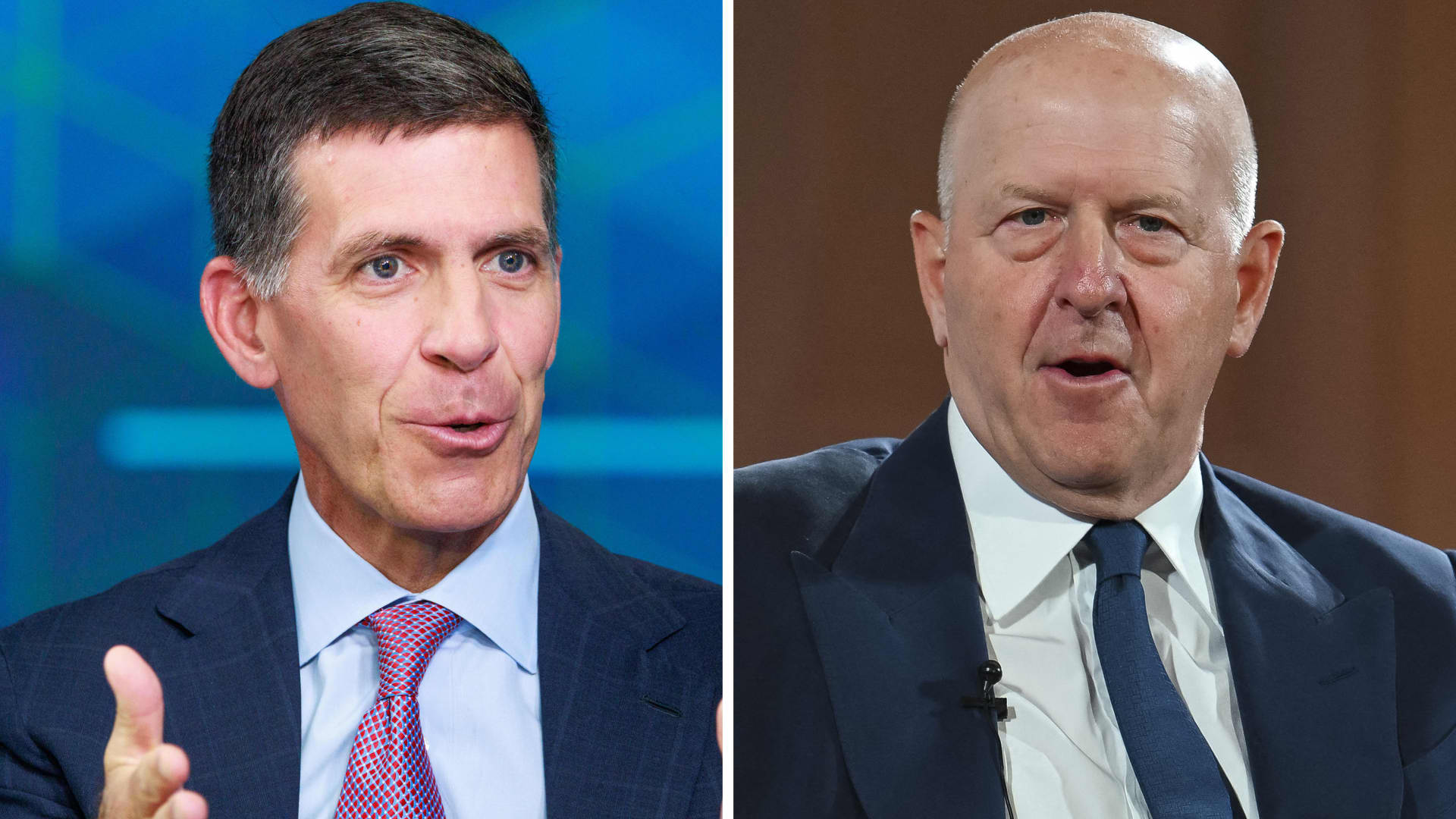
Goldman Sachs’ board is reportedly considering a leadership transition that would promote President John Waldron to CEO, replacing David Solomon. Despite record-breaking financial performance, the succession plan faces uncertainty due to Solomon's potential reluctance to step down.
The Goldman Sachs Leadership Transition: A Strategic Crossroads
Goldman Sachs, a titan of the financial services industry, currently finds itself at a unique juncture. While the firm is enjoying a period of immense operational success—boasting over $1 trillion in advisory work for merger deals and $12 billion in equities revenue in the first half of the year—the boardroom is reportedly focused on a significant shift in leadership. The potential elevation of current President John Waldron, 57, to the role of CEO, succeeding David Solomon, 64, marks a critical moment for the bank's long-term governance.
The Case for Stability Amidst Success
The current financial strength of Goldman Sachs is undeniable. By maintaining a dominant position in the global M&A landscape and driving massive equities revenue, the firm has solidified its reputation as the premier investment bank on Wall Street. Analysts, such as Wells Fargo’s Mike Mayo, have characterized the proposed transition as potentially being one of the most "deliberate" and "smoother" handovers in the industry. This suggests that the board’s primary objective is to ensure that this period of prosperity is not interrupted by the friction often associated with executive turnover.
The Succession Mechanism
The reported plan involves a structured transition where Solomon would move into the role of executive chairman. This strategy serves a dual purpose: it allows for a seamless transfer of day-to-day operational control to Waldron while maintaining institutional continuity through Solomon’s ongoing involvement. By keeping the outgoing CEO in a high-level advisory capacity, the board likely aims to reassure shareholders and clients that the firm’s strategic trajectory will remain largely unchanged during the handover.
The Human Element: The Succession Risk
Despite the clear financial rationale for a leadership change, the process is not without its hurdles. The most significant obstacle identified is the internal friction surrounding Solomon’s potential reluctance to relinquish the CEO chair. Succession planning in major financial institutions is rarely just about numbers; it is deeply personal and political. If Solomon is not fully aligned with the board’s timeline, the risk of a messy departure increases, which could potentially spook investors who prioritize stability above all else.
Implications for Wall Street Governance
This situation serves as a broader case study for corporate governance on Wall Street. Even for a firm as successful as Goldman Sachs, the transition of power is fraught with complexity. The board’s ability to navigate the transition will be closely watched by institutional investors. If managed correctly, it could set a new standard for orderly leadership transitions in the banking sector. Conversely, any public display of discord could cast a shadow over an otherwise stellar financial performance.
Future Outlook and Strategic Continuity
Looking ahead, the firm must balance the need for fresh leadership with the requirement for continuity. Whether or not the board moves forward with a vote in the coming months, the focus remains on sustaining the momentum generated by the current record-breaking results. The success of the next chapter for Goldman Sachs will depend heavily on whether the transition is perceived as a natural evolution of the firm’s strategy or an abrupt shift in institutional culture.