Nvidia’s historic buyback announcement underscores a sharp divide in Big Tech
Source Entity
Christine Ji
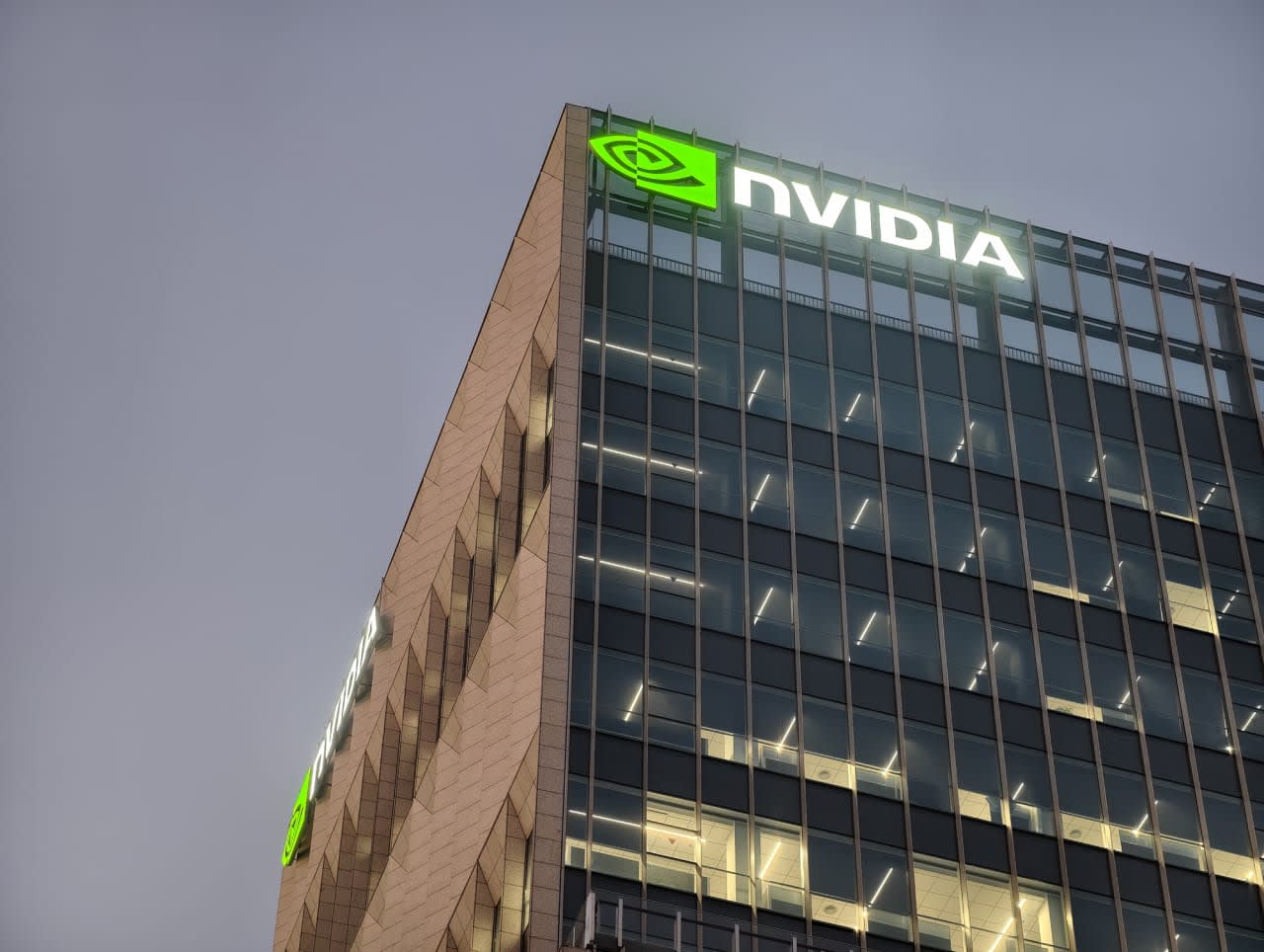
Nvidia has announced a record-breaking $235 billion stock buyback, capitalizing on a historically low price-to-earnings ratio. This move highlights a strategic divergence from peers like Alphabet and Meta, who are prioritizing direct AI infrastructure reinvestment over share repurchases.
Nvidia’s Record Buyback: A Strategic Pivot in Big Tech
Nvidia has officially announced a massive $235 billion stock buyback program, a move that underscores the chipmaker's immense capital strength and confidence in its market position. This decision comes at a pivotal moment for the tech giant, which has recently seen its price-to-earnings (P/E) ratio drop to 14.5 for fiscal 2028. This figure is starkly lower than the company's five-year average of 62.9, signaling that the stock is currently trading at its cheapest valuation in a decade relative to its earnings potential.
Valuation Anomalies and Market Perception
The current valuation of Nvidia, now valued at over $5.5 trillion, presents a unique case study in market efficiency. Despite the company’s role as the primary engine powering the global artificial intelligence boom, its P/E ratio has plummeted below its megacap peers, with the exception of Micron. This contraction suggests a disconnect between the company’s sustained, record-breaking profitability growth and the market’s current pricing, a gap that CEO Jensen Huang is clearly seeking to capitalize on by repurchasing shares at a perceived discount.
A Divergence in Capital Allocation Strategies
This announcement highlights a widening chasm in how Big Tech entities are managing their balance sheets. While Nvidia is aggressively deploying capital to repurchase its own stock—viewing its shares as a bargain—competitors like Alphabet and Meta have chosen to halt their own buyback programs. Instead, these companies are opting to reallocate that liquidity directly into their own internal artificial intelligence initiatives and infrastructure expansion.
The Future of AI Infrastructure
Nvidia's ability to fund a $235 billion buyback while maintaining its dominant position in AI hardware speaks to its extraordinary cash flow. By choosing to buy back stock rather than purely reinvesting every dollar into R&D, Nvidia is signaling that it believes its current market valuation does not fully account for its long-term earnings growth. This contrasts with the 'all-in' approach of its peers, who are currently prioritizing the race for AI dominance over shareholder-friendly capital returns.
Long-Term Implications for Shareholders
For investors, the contrast between Nvidia’s buyback strategy and the spending patterns of Alphabet and Meta creates a complex investment landscape. Nvidia is essentially betting that the market has undervalued its future earnings, while other tech giants are betting that cash is better spent on immediate technical breakthroughs. As the AI sector continues to mature, the success of these differing capital allocation philosophies will likely determine which firms maintain their leadership status in the coming decade.
Verification Required?