Major car rivals are teaming up to solve the biggest EV roadblock: Reliable charging
Source Entity
William Gavin
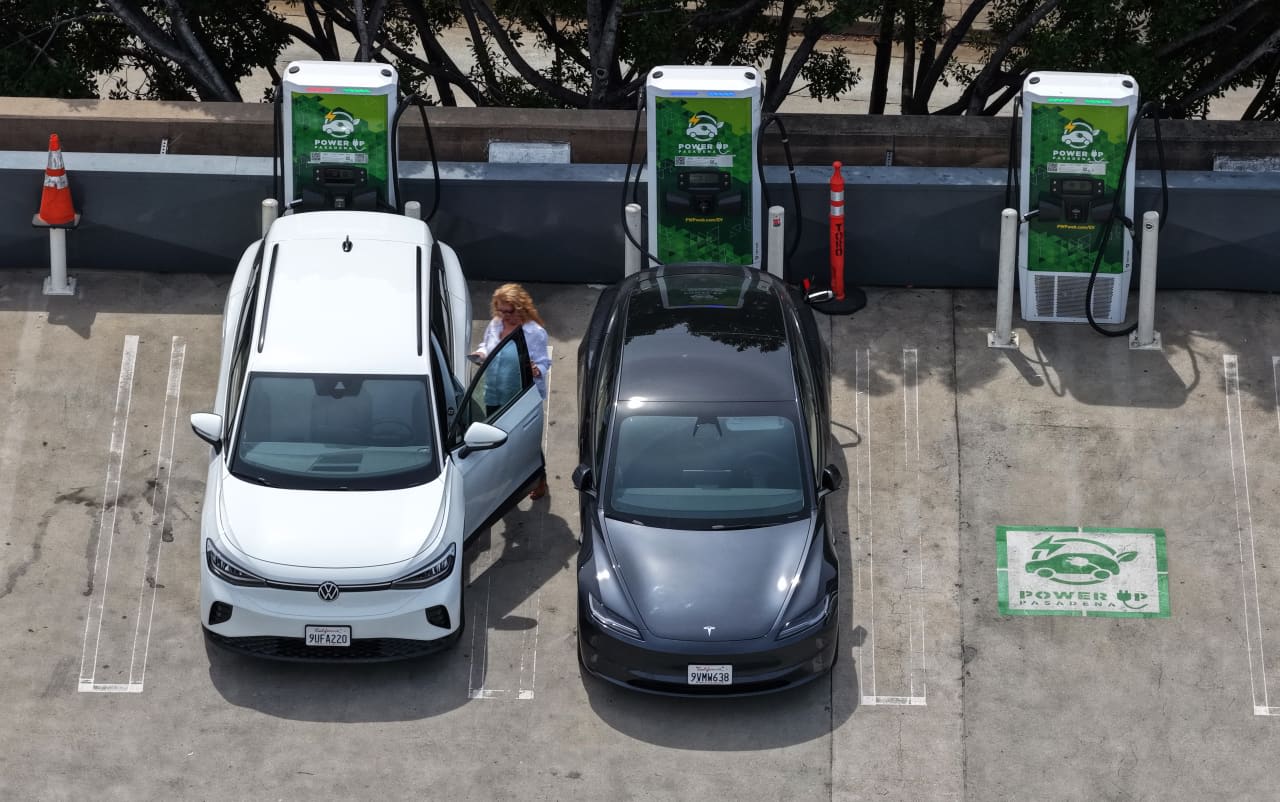
A coalition of major automakers has doubled its electric vehicle charging network in nine months to improve infrastructure reliability. Despite this rapid growth, the collective network remains significantly smaller than Tesla's established infrastructure.
The Shift Toward Unified EV Infrastructure
The electric vehicle (EV) landscape is currently undergoing a structural transformation as major automakers move away from siloed proprietary solutions to address the industry's most significant hurdle: charging reliability. By forming a coalition, these manufacturers are attempting to solve the 'range anxiety' dilemma that has long hindered mass-market EV adoption. The recent announcement that this group has doubled its charging port count in just nine months signifies a pivot toward aggressive infrastructure deployment aimed at matching consumer expectations for convenience and accessibility.
Scaling Against the Industry Standard
While the doubling of ports is a commendable operational achievement, it must be viewed through the lens of market reality. Tesla has spent over a decade perfecting its Supercharger network, creating a gold standard for reliability and coverage that remains the primary benchmark for the entire industry. The coalition’s current network size still pales in comparison to Tesla's, highlighting the massive capital expenditure and logistical coordination required to challenge an incumbent leader that has already integrated hardware and software into a seamless user experience.
The Strategic Necessity of Collaboration
For traditional automakers, this coalition represents a pragmatic survival strategy. By pooling resources, these manufacturers can share the immense costs of site acquisition, grid connectivity, and maintenance, which would be prohibitively expensive for any single company to undertake alone. This collaboration is essential to create a standardized user experience that mirrors the ubiquity of traditional gas stations, a prerequisite for the mainstream transition away from internal combustion engines.
Overcoming the Reliability Gap
Beyond sheer numbers, the focus on 'reliable' charging is the core of this initiative. Past reports of broken chargers and inconsistent connectivity have plagued non-Tesla networks, leading to consumer frustration. By synchronizing efforts, these automakers are signaling that they are prioritizing maintenance and technical integration to ensure that the infrastructure being built today is not just expansive, but functional and trustworthy for the average driver.
Future Trends in Infrastructure
Looking forward, the competitive landscape will likely be defined by the race to build out high-speed, high-density hubs. As the coalition continues to scale, we can expect to see further integration of payment systems and route-planning software designed to minimize downtime. While Tesla currently holds the advantage in network maturity, the combined financial power of this coalition suggests a long-term commitment to narrowing the gap, which will ultimately benefit the consumer through lower prices and increased station availability.
Conclusion
The rapid expansion of this charging coalition is a critical step in the maturation of the global EV market. While the road ahead is long and dominated by the shadow of Tesla’s established network, the collaborative approach taken by these carmakers provides the best possible pathway toward a robust, reliable, and widespread charging ecosystem capable of supporting the future of sustainable transportation.
Verification Required?