'Lemon ₹850/kg, tomato ₹680/kg': Man compares India and Norway vegetable prices, asks 'are we failing our farmers?'
Source Entity
Latest News: Todays Latest News Headlines from India & World | Hindustan Times | Hindustan Times
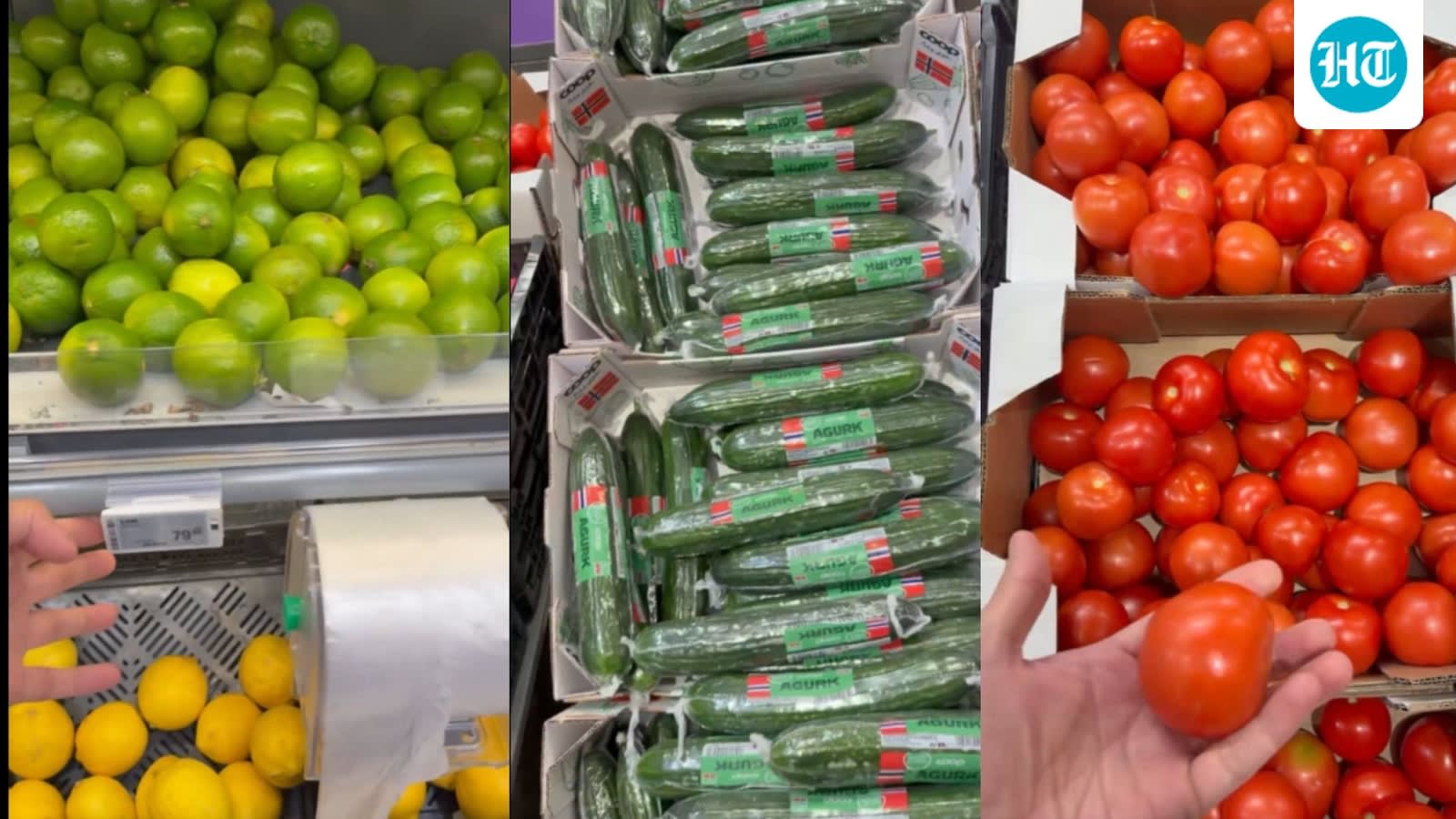
A viral social media post by an Indian expat in Norway highlights extreme vegetable price disparities between Norway and India. The comparison has ignited a broader debate regarding agricultural supply chains and consumer affordability.
The Cost of Consumption: Analyzing the Norway-India Price Disparity
A Viral Comparison of Grocery Economics
Recently, an Indian expatriate living in Norway named Vinod ignited a significant social media discourse by posting a video comparing grocery prices in a Norwegian store to those in Indian metropolitan areas. By highlighting specific costs—such as organic lemons at ₹850/kg, tomatoes at ₹680/kg, and cucumbers at ₹300 per unit—Vinod brought the complexities of global food economics into the spotlight. This comparison serves as a stark reminder of how geography, logistics, and economic structures dictate the cost of basic sustenance.
The Logistics of Extreme Pricing
Norway’s geography and climate present a unique challenge for agriculture. With a significant portion of its land being mountainous or situated in harsh arctic conditions, the nation relies heavily on imports for fresh produce, particularly during the off-season. The prices shared by Vinod reflect these logistical overheads, including long-distance transportation, cold-chain storage requirements, and high import tariffs. Unlike India, which benefits from a vast and diverse agricultural belt, Norway’s reliance on international supply chains inherently inflates the retail price of perishables.
Agricultural Systems and Farmer Welfare
Vinod’s query, "Are we failing our farmers?" touches upon the deep-rooted frustrations regarding agricultural income in India. While Indian consumers often face price volatility due to seasonal shortages, the gap between what farmers earn at the farm gate and what consumers pay at the retail counter remains a point of contention. The discussion prompted by this post suggests that while India has the capacity for massive production, inefficiencies in the supply chain—often plagued by middlemen and lack of infrastructure—prevent farmers from receiving fair compensation while keeping prices unstable for the public.
The Impact of Purchasing Power Parity
It is essential to contextualize these prices through the lens of Purchasing Power Parity (PPP). While the raw conversion of Norwegian Krone to Indian Rupees shows staggering figures, one must consider that average income levels in Norway are substantially higher than those in India. Thus, while the absolute price of a tomato is significantly higher in Norway, the relative burden on the household budget may differ. This nuance is often lost in viral social media comparisons, yet it is crucial for a complete economic understanding.
Future Trends in Food Security
As climate change threatens traditional farming regions, global food prices are expected to become more volatile. Both India and Norway face different challenges: India must optimize its supply chain to protect farmers and consumers alike, while Norway must innovate in vertical farming and greenhouse technology to reduce import dependency. The discourse initiated by this viral post underscores a growing public awareness of food systems and the need for policy interventions that ensure equitable distribution and price stability across diverse economic landscapes.
Verification Required?