'Reduce the rate': Gadkari tells auto industry to lower EV prices in consumers' interest
Source Entity
Latest News: Todays Latest News Headlines from India & World | Hindustan Times | Hindustan Times
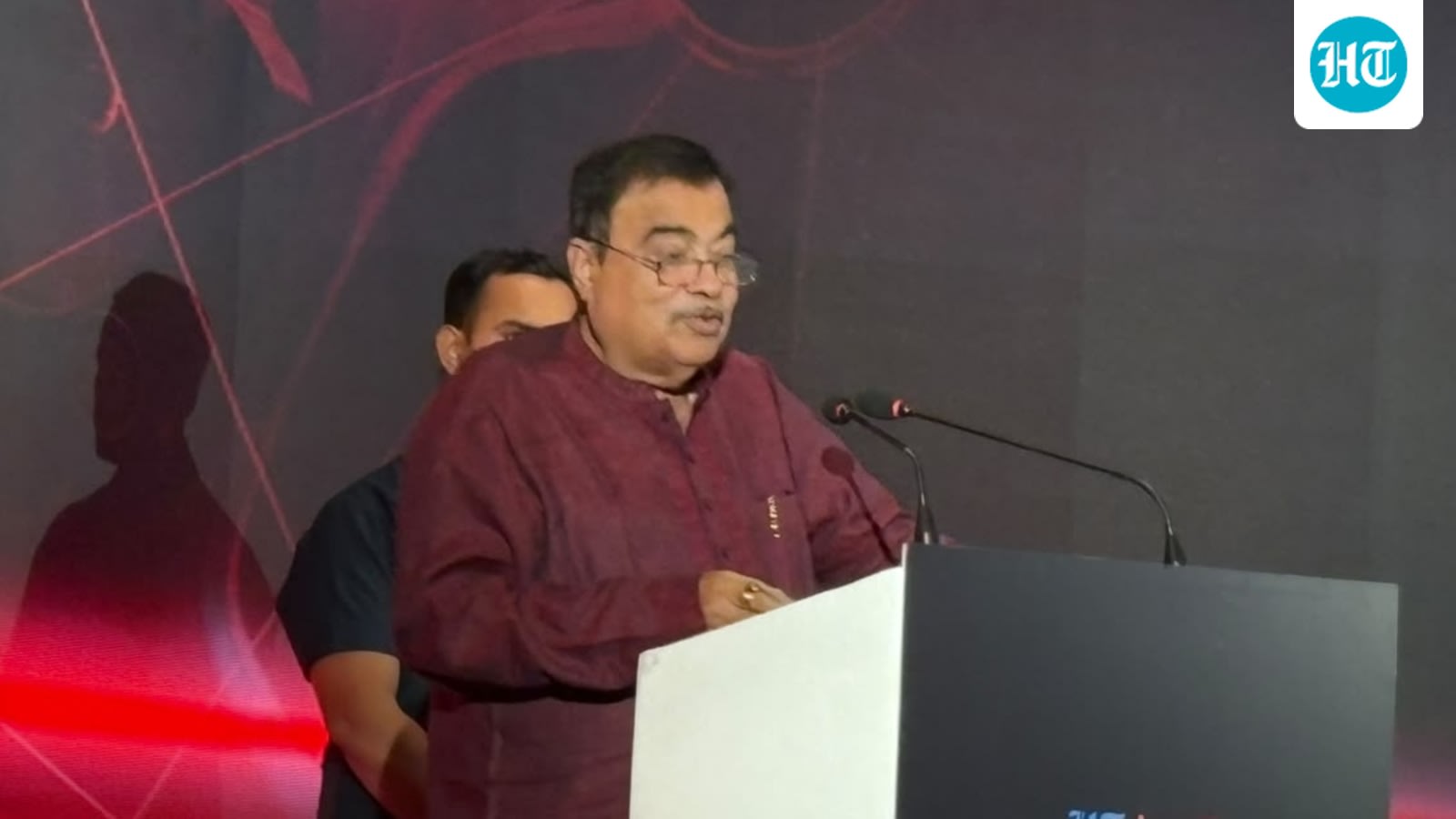
Union Minister Nitin Gadkari has urged the automotive industry to reduce electric vehicle prices to boost mass adoption. He highlighted falling battery costs and increased production as key factors that will naturally drive prices down.
Driving the EV Revolution: Gadkari’s Call for Price Parity
Union Minister Nitin Gadkari has issued a significant directive to the Indian automobile industry, urging manufacturers to proactively lower the prices of electric vehicles (EVs). Speaking on the necessity of wider adoption, the Minister emphasized that the transition to sustainable mobility is not merely a technological shift but a strategic imperative for India. By reducing the reliance on fossil fuel imports, the nation stands to gain significantly in terms of macroeconomic stability and environmental sustainability. This appeal serves as a critical nudge to an industry that has seen rapid innovation but has struggled to achieve the price points necessary for mass-market penetration.
The Economics of Battery Costs
A pivotal element of Gadkari’s argument centers on the drastic reduction in the cost of lithium-ion batteries, which have fallen from USD 150 per kilowatt-hour to USD 50 per kilowatt-hour. This decline represents a massive improvement in the underlying cost structure of EVs, which have historically been hindered by the high capital expenditure associated with energy storage. The Minister’s observations highlight a discrepancy: while the primary cost driver of an electric vehicle has plummeted, the final retail prices have not seen a commensurate decline. This gap suggests that current pricing strategies may be prioritizing margins over volume, a trend that may not be sustainable in the long term.
Supply-Demand Dynamics and Market Competition
Currently, the high price tags on electric vehicles are largely attributed to a market where demand significantly outstrips supply. In a typical market cycle, such conditions allow manufacturers to maintain premium pricing. However, Gadkari warned that this dynamic is shifting. As production capacities expand across the industry, the resulting increase in supply is expected to fundamentally alter the pricing landscape. Competition is set to act as the primary catalyst, forcing companies to reevaluate their strategies to remain relevant in an increasingly crowded EV ecosystem.
Scaling for Mass Adoption
The Minister’s call is rooted in the philosophy that affordability is the ultimate gatekeeper for EV adoption in India. For electric vehicles to move beyond the early-adopter phase and into the hands of the average consumer, the industry must align its pricing with the economic realities of the domestic market. Scaling production is not just about meeting current demand; it is about creating the economies of scale required to lower the per-unit cost, thereby making green transport a viable choice for a broader demographic.
Future Trends and Strategic Outlook
Looking ahead, the convergence of falling battery costs and intensified manufacturing competition is likely to force a price correction. As the government continues to incentivize the transition away from fossil fuels, the pressure on manufacturers to pass on cost savings to the consumer will only mount. The industry is reaching a critical inflection point where those who prioritize competitive pricing and efficient production are likely to secure a larger market share. By urging the industry to act now, the government is signaling that the era of 'early-stage premium pricing' must come to an end to ensure the long-term success of India’s green mobility mission.
Verification Required?