China factory activity expands for first time in three months in September
Source Entity
US Top News and Analysis
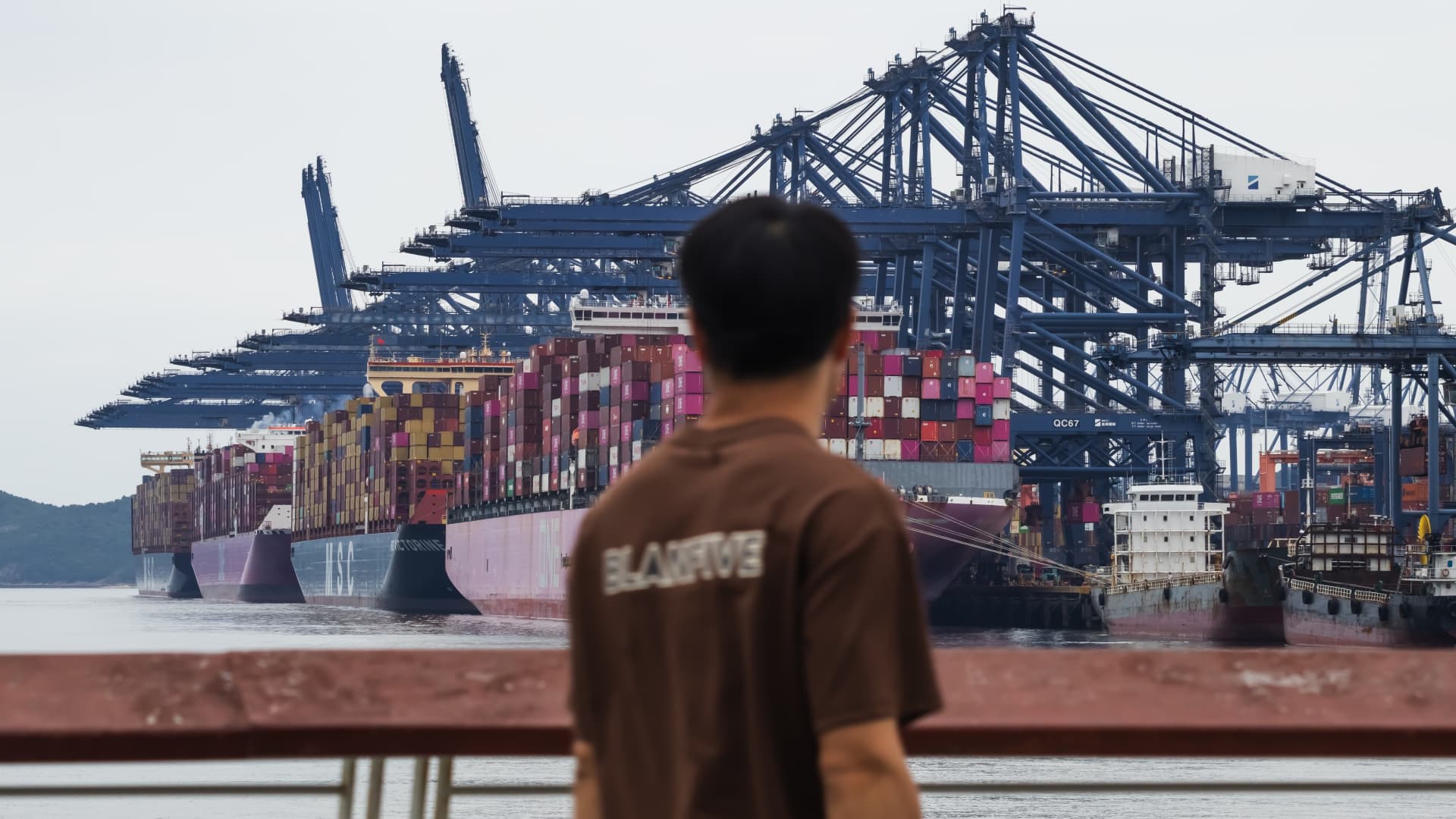
China's manufacturing sector returned to growth in September with a PMI of 50.1, signaling a potential recovery. This shift is driven by the global AI hardware boom, though domestic consumer demand remains weak.
China's Manufacturing Sector: A Fragile Return to Expansion
In a significant development for the global economy, China's official manufacturing purchasing managers' index (PMI) rose to 50.1 in September, climbing from 49.8 in August. This return to expansion—marking the first growth in three months—aligns precisely with analyst forecasts and suggests that recent government interventions are beginning to permeate the industrial sector. The 50.1 threshold is a vital psychological and technical marker, distinguishing contraction from growth in the manufacturing landscape.
The Impact of Targeted Stimulus
For months, China has grappled with a deepening economic malaise, characterized by sluggish growth and deflationary pressures. The recent uptick in factory activity is largely attributed to the Chinese government's decision to ramp up stimulus measures. These policy interventions are designed to bolster industrial output and stabilize a sector that has faced immense pressure from both domestic and international headwinds throughout the year.
The AI Hardware Catalyst
While the broader economy faces challenges, Chinese manufacturers have found a rare bright spot in the global AI hardware boom. The increasing demand for advanced computational components has provided a necessary lifeline for domestic factories. By positioning themselves as key nodes in the global AI supply chain, these manufacturers have successfully offset some of the losses caused by broader market volatility, demonstrating the importance of technological integration in modern industrial recovery.
Domestic Demand and Geopolitical Headwinds
Despite the positive PMI reading, significant structural concerns remain. Weak consumer demand within China continues to be a major worry for policymakers, suggesting that the current recovery is heavily reliant on industrial production rather than domestic consumption. Furthermore, the global landscape remains precarious; rising energy costs, exacerbated by the ongoing conflict in the Middle East, continue to weigh heavily on production margins and supply chain stability.
Future Trends and Economic Outlook
Looking ahead, the sustainability of this growth will depend on China's ability to balance its industrial output with a revival in domestic spending. If the government can successfully transition from supply-side stimulus to measures that encourage consumer confidence, the manufacturing sector may solidify its gains. Conversely, if energy costs continue to climb due to regional geopolitical instability, the fragile growth observed in September could be tested in the coming quarters.
Conclusion
In summary, while the September manufacturing data offers a glimmer of hope for China's economy, the recovery remains nuanced. The expansion is a testament to the effectiveness of recent stimulus and the resilience of the AI hardware sector, yet it is simultaneously constrained by persistent domestic weakness and external energy market pressures. Policymakers must now navigate these multifaceted challenges to ensure that this month's growth translates into long-term economic stability.