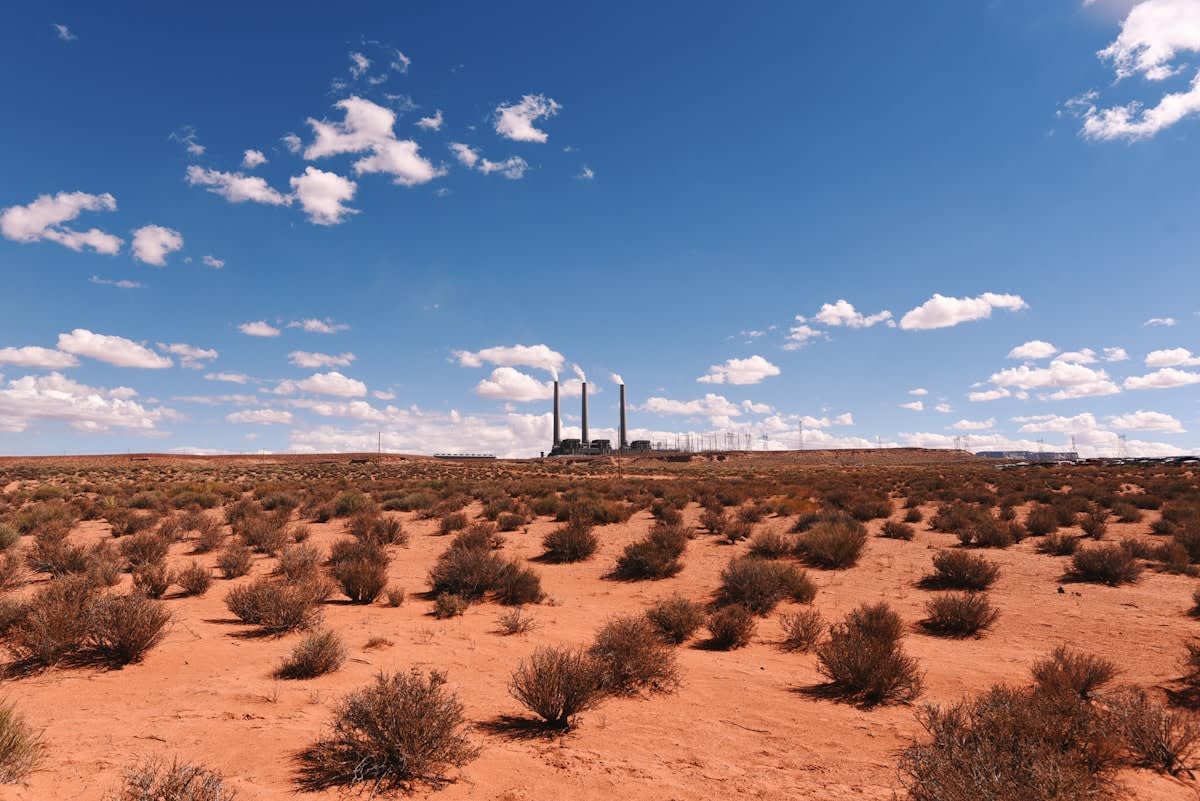
The global energy transition is currently being managed as a carbon accounting exercise. We track gigatonnes of CO2, measure the efficiency of photovoltaic cells, and debate the scalability of battery storage. But there is a silent variable operating in the background of every green hydrogen plant and nuclear reactor: water. While the world celebrates the decarbonization of the grid, a systemic collision is brewing between the thirst of new industrial technologies and the physical limits of the planet's watersheds. Are we simply trading a carbon crisis for a hydration crisis?
This is not a localized drought issue. It is a systemic resource misalignment. The very technologies designed to save the biosphere—green hydrogen, carbon capture, and AI-driven energy optimization—require immense volumes of high-purity water. In Finland, for instance, the development of a 600MW green hydrogen plant by ABO Energy is not just about renewable electricity; it explicitly drives an increased demand for water-treatment systems and electrolyzers (Source: Chemanalyst, 2026). When we scale these projects from megawatts to terawatts, the pressure on local aquifers becomes an existential operational risk.
The Hydrogen Paradox: Pure Energy, Pure Water
Green hydrogen is often presented as the silver bullet for hard-to-abate sectors like shipping and aviation. The logic is simple: split water into hydrogen and oxygen using renewable power. However, the industrialization of this process is hitting a wall of demand certainty and resource availability. In the European Union, there is a requirement for 42% of industrial hydrogen to be renewable by 2030, yet progress has stalled at the national level in most Member States, with Romania being the only one to fully implement penalties for non-compliance (Source: Innovation News Network, 2026). This lack of regulatory certainty is compounded by the physical reality that electrolyzers cannot run on salt water or sewage without energy-intensive treatment.
"Among them is green hydrogen, in which we want to participate and leverage it to strengthen the country's role."— Ramón Salinas, Head of Wind Garage at Copec
In Chile, a coalition of strategic companies including Colbún, Copec, and Walmart Chile have signed an agreement with Corfo to promote renewable hydrogen in local industry (Source: BNamericas, 2026). The ambition is clear: build local value chains and prepare for global commercialization. But the practitioner's debate in these boardrooms isn't about the chemistry of the electrolyzer; it's about the water rights. In water-stressed regions, the competition between agricultural irrigation and industrial hydrogen production creates a political volatility that no amount of venture capital can solve.
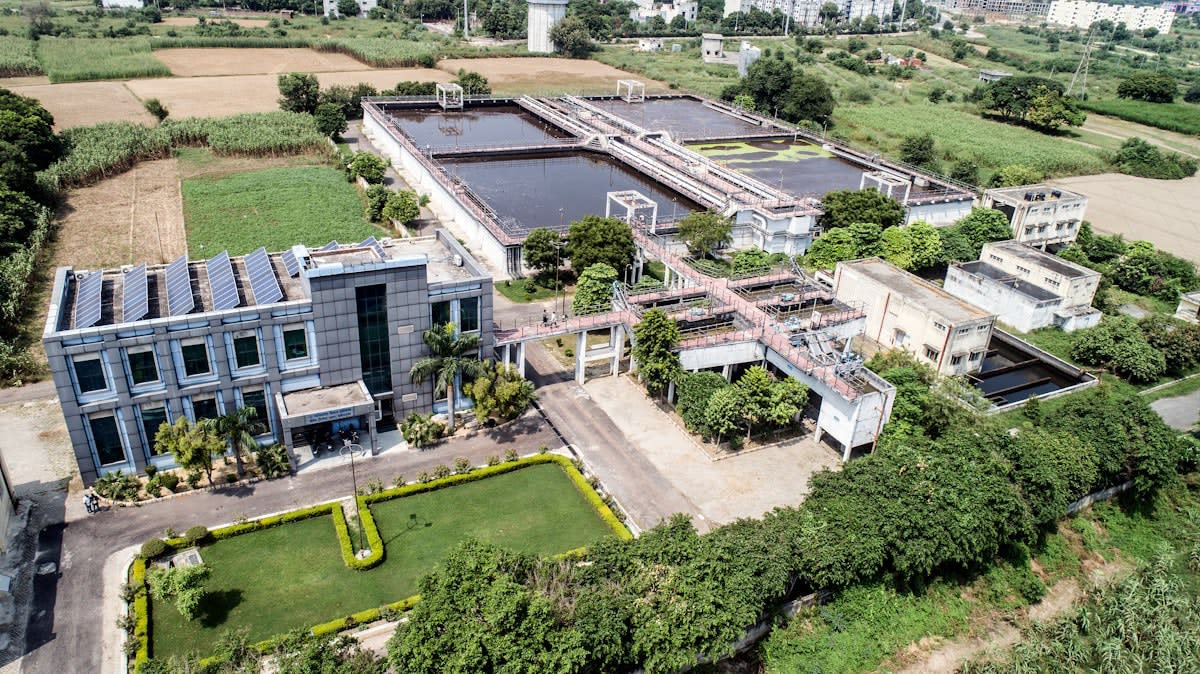
This is where the 'Experience Layer' hits the ground. If you talk to project managers in the field, they will tell you that the biggest friction isn't the technology—it's the permitting. You have energy engineers promising Net Zero targets to shareholders, while water utility managers are looking at depleted aquifers and wondering who gets priority during a drought. The internal debate is no longer about whether green hydrogen works, but whether the local watershed can sustain it without triggering a social uprising or a total crop failure.
The Governance Gap: Siloed Agencies and Systemic Risk
The crisis is exacerbated by a fundamental flaw in how we govern resources. In Colorado, for example, water, land, energy, and emerging technology are managed by separate agencies with separate permits and definitions (Source: Route Fifty, 2026). While each agency may be competent in its narrow slice of responsibility, the most critical risks emerge in the gaps between them. When AI expansion accelerates the demand for electricity and water simultaneously, the existing governance structure fails because it treats these as unrelated streams of demand rather than a single, interconnected system.
This fragmentation creates a dangerous 'race to the bottom' between jurisdictions. A county that rejects a data center or a hydrogen plant due to water scarcity may simply watch a neighboring jurisdiction say yes. However, the water system does not respect political boundaries. The investment may be local, but the consequences of scarcity—lower water tables and degraded quality—are regional (Source: Route Fifty, 2026). We are witnessing a failure of spatial planning on a continental scale.
| Region | Primary Energy Driver | Water Security Trigger | Systemic Risk Level |
|---|---|---|---|
| Central Asia | Nuclear & Hydro | 30% Glacier Loss (Source: World Bank) | Critical |
| European Union | Green Hydrogen | 42% Industrial Target (Source: INN) | Moderate |
| South Africa | Industrial Shift | Municipal Infrastructure Decay | High |
| North America | AI & Carbon Capture | Siloed Agency Governance | High |
The energy transition cannot be successful if it operates in a vacuum. The interplay between electricity, land use, and water is the actual frontier of industrial security. If we continue to treat water as an infinite input rather than a strategic constraint, we are building the energy transition on a foundation of sand.
Regional Breaking Points: From Glaciers to Boardrooms
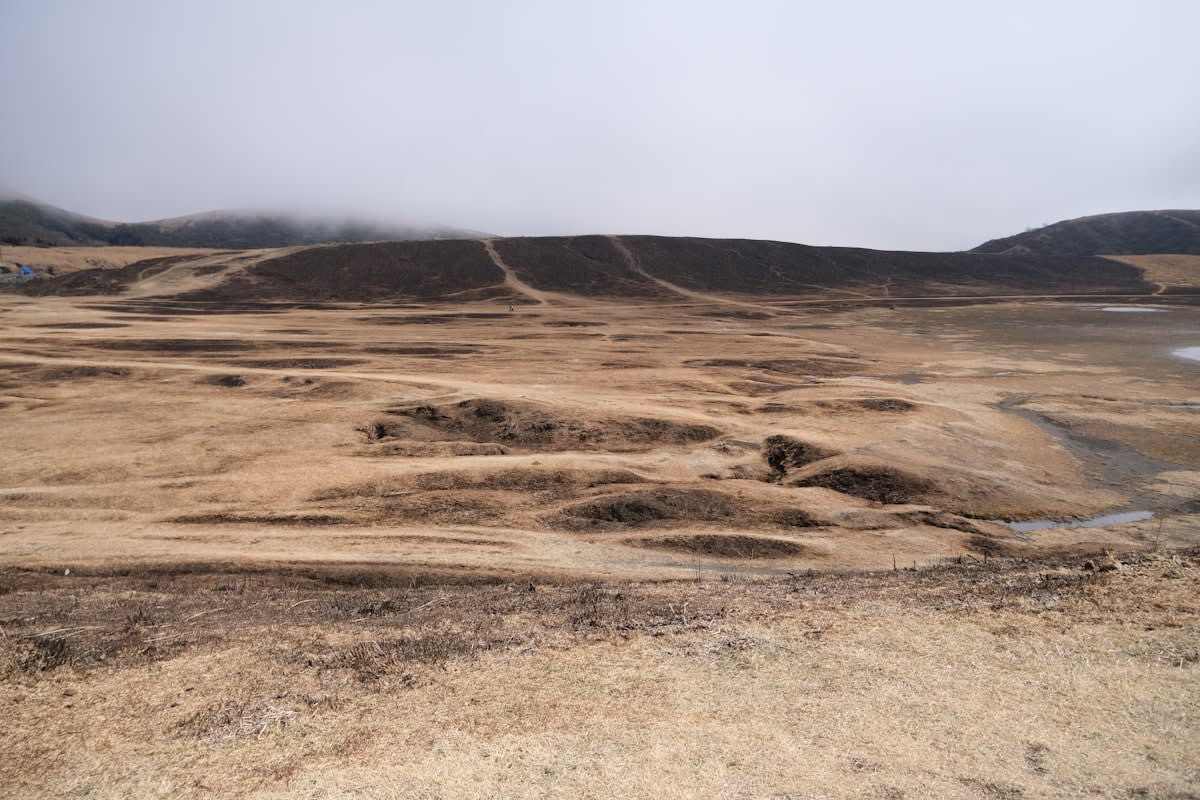
Central Asia provides a stark warning of what happens when the water-energy nexus collapses. The World Bank reports that the region has lost approximately 30 percent of its glacier surface area over the last 60 years (Source: The Diplomat, 2026). For Uzbekistan, the projections are grim: water availability is expected to fall by 30-40 percent, while irrigation demand is projected to rise by 25 percent (Source: The Diplomat, 2026). This is no longer just an environmental concern; it is a regional economic risk.
This scarcity fundamentally changes the calculus for long-lived infrastructure, such as nuclear power. Nuclear projects require massive amounts of water for cooling. To ensure resilience, these projects must be assessed against future water availability and extreme heat conditions, rather than historical data (Source: The Diplomat, 2026). If a reactor is built based on 20th-century water levels, it becomes a stranded asset the moment the glacier-fed rivers hit a tipping point.
Similarly, in South Africa, water security has migrated from the operations floor to the boardroom. Companies are now urged to treat water as a strategic business risk due to deteriorating municipal infrastructure and recurring supply interruptions (Source: African Sustainability Matters, 2026). When municipal water quality declines and supply becomes intermittent, it doesn't just affect the community—it threatens production, compliance, and long-term investment decisions. This is the new reality of ESG: water stewardship is now a prerequisite for financing.
Investors and financial institutions are increasingly assessing corporate exposure to physical climate risks, including water scarcity and infrastructure vulnerability (Source: African Sustainability Matters, 2026). Companies that cannot demonstrate a robust water strategy face higher financing costs and heightened scrutiny. The South African experience is a bellwether for other emerging economies facing rapid urbanization and constrained public finances.
Adaptation: Moving Beyond the Crisis Narrative
The solution is not to slow down the energy transition, but to evolve it. We must move toward a model of integrated resource management. This means breaking down the silos between energy and water agencies and treating the 'water-energy nexus' as a single engineering challenge. Investments in one sector can increase the resilience of the other if designed correctly. For example, using renewable hydrogen as a flexible source of demand can balance the electricity grid during periods of abundance, provided the water source is sustainable (Source: Innovation News Network, 2026).
Resilience will come from diversification. This includes investing in advanced water-treatment systems, exploring the potential of desalination powered by the very renewable energy we are deploying, and implementing strict water stewardship protocols in industrial zones. The transition is an opportunity to rebuild our industrial infrastructure to be circular rather than extractive.
Fact-Check & Accuracy Note
Key claims regarding glacier loss in Central Asia (30%), Uzbekistan's water projections (30-40% fall), and the EU's industrial hydrogen target (42%) are sourced from The Diplomat, World Bank, and Innovation News Network. The governance challenges in Colorado and the business risks in South Africa are sourced from Route Fifty and African Sustainability Matters. Areas of ongoing debate include the exact efficiency of water-treatment systems for large-scale hydrogen and the long-term viability of nuclear cooling in warming climates.
Strategic Analyst's Note
This analysis argues that the 'Green Revolution' is currently under-accounting for water as a primary resource constraint. The shift from carbon-centric to resource-centric planning is the critical systemic shift required to avoid stranded assets in the energy transition.