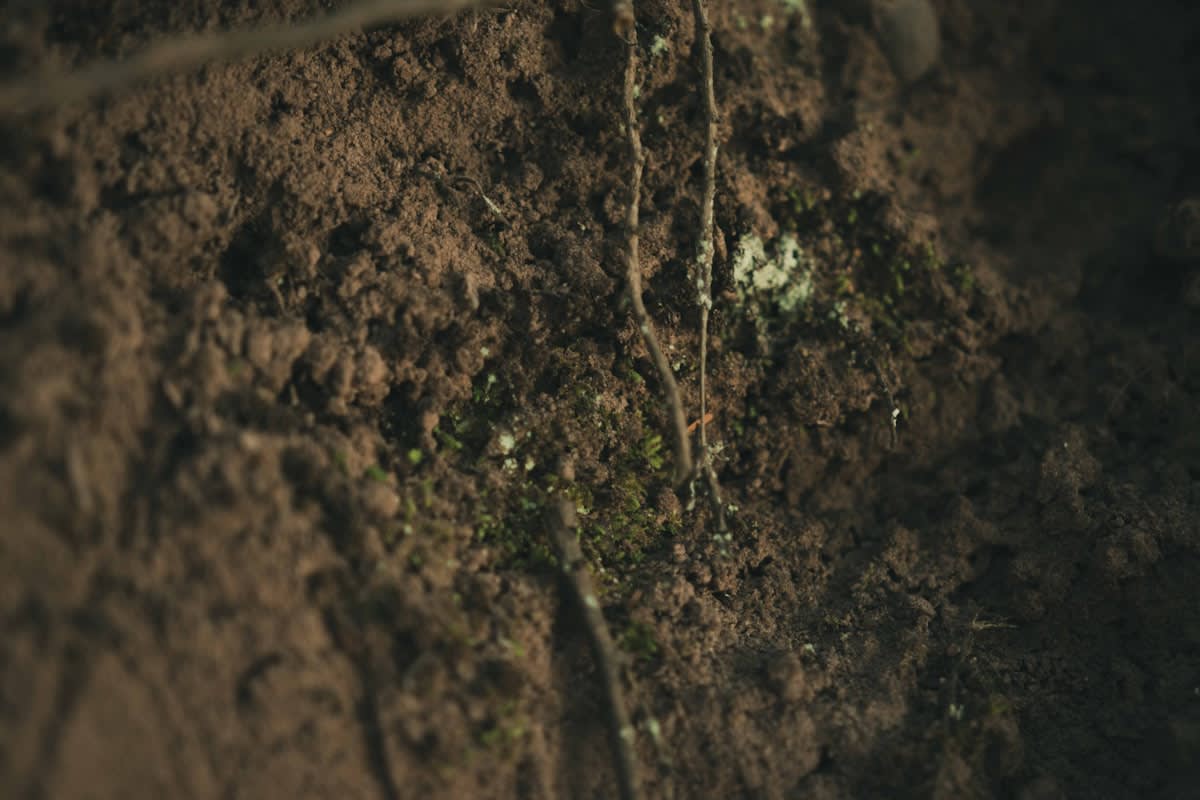
Most people aren't actually gardening; they are managing a slow-motion chemical collapse. We have been conditioned to view soil as a sterile medium—a mere sponge to hold plants while we pump them full of NPK salts. But there is a fundamental difference between dirt and soil. Dirt is dead mineral matter. Soil is a living, breathing ecosystem of fungi, bacteria, and protozoa that regulates the climate and feeds the world. When you kill the biology, you kill the soil's ability to hold water and sequester carbon. The goal here isn't just to grow a tomato; it is to rebuild a carbon sink that pulls atmospheric CO2 into the earth and locks it there in the form of stable organic matter.
Prerequisites: The Restoration Toolkit
Before you touch a shovel, you need to assemble the right inputs. You cannot rebuild a biological system with synthetic shortcuts. The transition requires a shift from 'feeding the plant' to 'feeding the soil.' Depending on your region—whether you are dealing with the heavy clays of Northern Europe or the sandy oxisols of the tropics—your specific amendments will vary, but the biological requirements remain universal.
- High-quality aerobic compost (the biological 'starter culture')
- Organic mulch (straw, shredded leaves, or wood chips to provide 'armor')
- Cover crop seeds (clovers, vetch, or rye for nitrogen fixation and root exudates)
- Mycorrhizal inoculants (specialized fungi that extend root reach)
- Broad-spectrum soil test kit (measuring Organic Matter %, pH, and NPK)
The Living Soil Protocol: Step-by-Step Execution
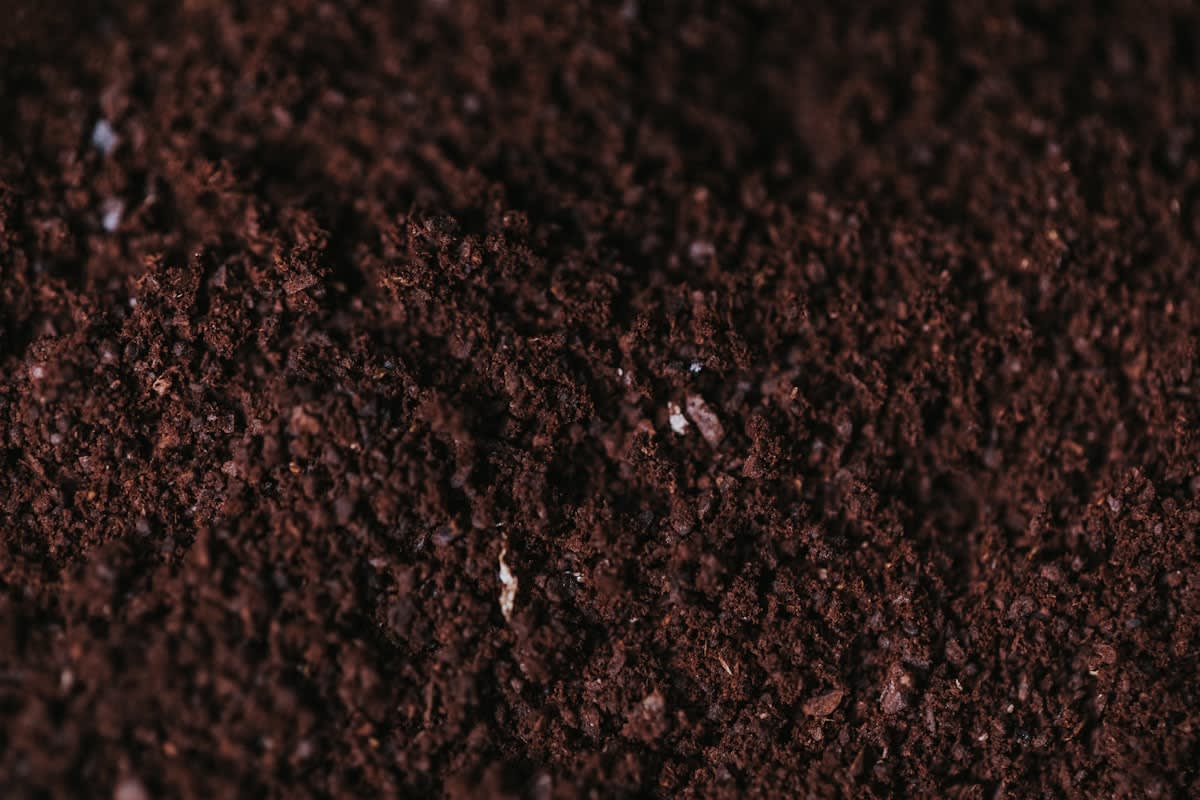
Restoring dead earth is an exercise in patience and observation. You are essentially performing a biological transplant. If you rush the process or introduce synthetic fertilizers during the transition, you will wipe out the very microbes you are trying to cultivate. This protocol follows a sequence of stabilization, inoculation, and maintenance.
- Stop the Bleed: Immediately cease all synthetic fertilizers, pesticides, and herbicides. These chemicals act as biocides, sterilizing the soil and breaking the symbiotic link between plants and mycorrhizal fungi.
- Cease Tillage: Stop digging and rototilling. Tilling shatters the fungal hyphae networks that act as the soil's internet and releases stored carbon back into the atmosphere as CO2. Switch to a 'no-dig' or 'no-till' approach.
- The First Layer (Inoculation): Apply a 2-to-4 inch layer of high-quality aerobic compost across the surface. This introduces the necessary bacterial and fungal diversity to jumpstart the ecosystem.
- Armor the Earth: Cover the compost with a thick layer of organic mulch. Bare soil is a wound. Mulch prevents evaporation, suppresses weeds, and provides a slow-release food source for soil organisms.
- Root-Driven Carbon Injection: Plant cover crops like crimson clover or hairy vetch. These plants pump liquid carbon (sugars) through their roots to feed microbes, effectively 'mining' the atmosphere to build soil organic matter.
- Cycle and Rotate: Implement a crop rotation strategy that alternates heavy feeders with nitrogen-fixing legumes to maintain nutrient balance without external inputs.
Once these steps are in motion, the soil begins to transform. You will notice the structure shifting from a compacted block to a 'crumb' or 'granular' structure. This is the result of glomalin, a sticky protein produced by mycorrhizal fungi that glues soil particles together. According to the Food and Agriculture Organization (FAO, 2020), increasing soil organic matter by just 1% can significantly increase the water-holding capacity of the land, making your home garden far more resilient to drought.
"The soil is not a medium for plant growth, but a living organism in its own right. If we feed the soil, the soil feeds the plant, and the plant feeds the world."— Institutional Principle, Rodale Institute
The Practitioner's Perspective: The Ground-Level Reality
In the field, the biggest debate isn't about whether this works—it's about the speed of the transition. I have seen practitioners panic during the 'nitrogen crash.' This happens when you add too much high-carbon mulch (like raw wood chips) and the bacteria consume all available nitrogen to break it down, leaving your plants yellow and stunted. It is a classic mistake. The friction usually lies between the 'chemistry' crowd, who want a quick fix via liquid feeds, and the 'biology' crowd, who are willing to accept a slower growth rate in year one for a self-sustaining system in year three. On the ground, success looks like a garden that requires less water and zero fertilizer, where the soil smells like a forest floor rather than a chemical plant.
Measuring Your Impact: The Carbon Sink Metric
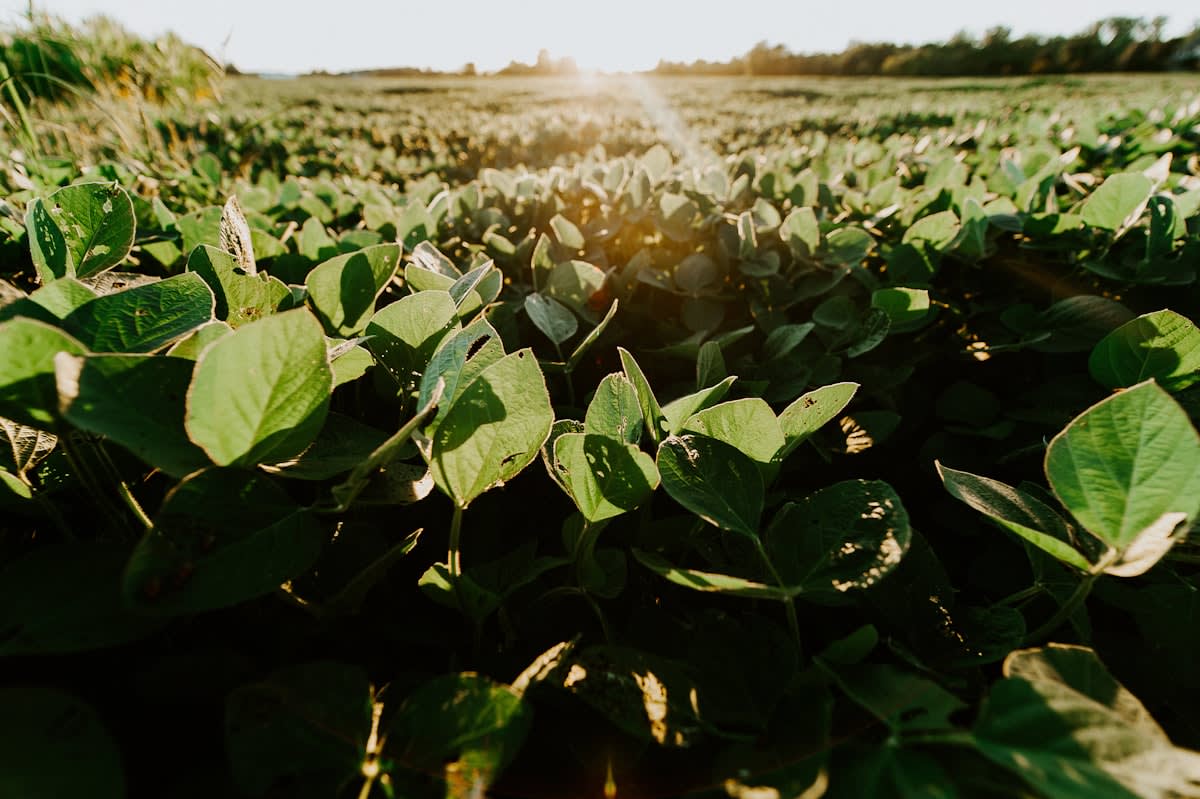
How do you know if you've actually created a carbon sink? The most reliable indicator is the Soil Organic Matter (SOM) percentage. In degraded industrial soils, SOM can drop below 1%. A healthy living soil system can push this to 5% or higher. Because organic matter is largely composed of carbon, this increase represents a direct transfer of carbon from the air into the earth.
| Soil State | SOM % (Typical) | Carbon Sequestration Potential | Water Retention |
|---|---|---|---|
| Dead/Industrial | 0.5% - 1.5% | Net Source (Releasing CO2) | Very Low |
| Recovering | 2% - 3% | Moderate Sink | Medium |
| Living/Regenerative | 4% - 8%+ | High Sink | Very High |
Common Pitfalls to Avoid
The road to biological restoration is littered with well-intentioned mistakes. The most common is the 'over-composting' trap. Adding too much compost can actually lead to an imbalance in the fungal-to-bacterial ratio, creating a soil that is too bacterial for perennial plants or fruit trees. Another error is the use of 'sterilized' potting mixes. Many commercial mixes are heat-treated to kill pests, but they also kill the beneficial microbes. Always inoculate store-bought soil with a handful of native, healthy soil or a compost tea to bring it back to life.
Fact-Check & Accuracy Note
Key claims regarding the role of Soil Organic Matter (SOM) and water retention are based on general regenerative agriculture frameworks supported by the FAO (2020) and the Rodale Institute. The specific percentage ranges for SOM are industry benchmarks for soil health assessment, though actual values vary by soil type and climate.