
Density is a trap. Engineers obsess over the megajoules per kilogram of uranium, yet they ignore the staggering mechanical weight of a tidal surge hitting a turbine in the Bay of Fundy. The ocean offers a different path. Water is incredibly heavy. Because seawater is roughly 800 times denser than air, a slow-moving tidal current carries more kinetic energy than a gale-force wind hitting a turbine. This is the raw power of physics.
The Uranium Obsession
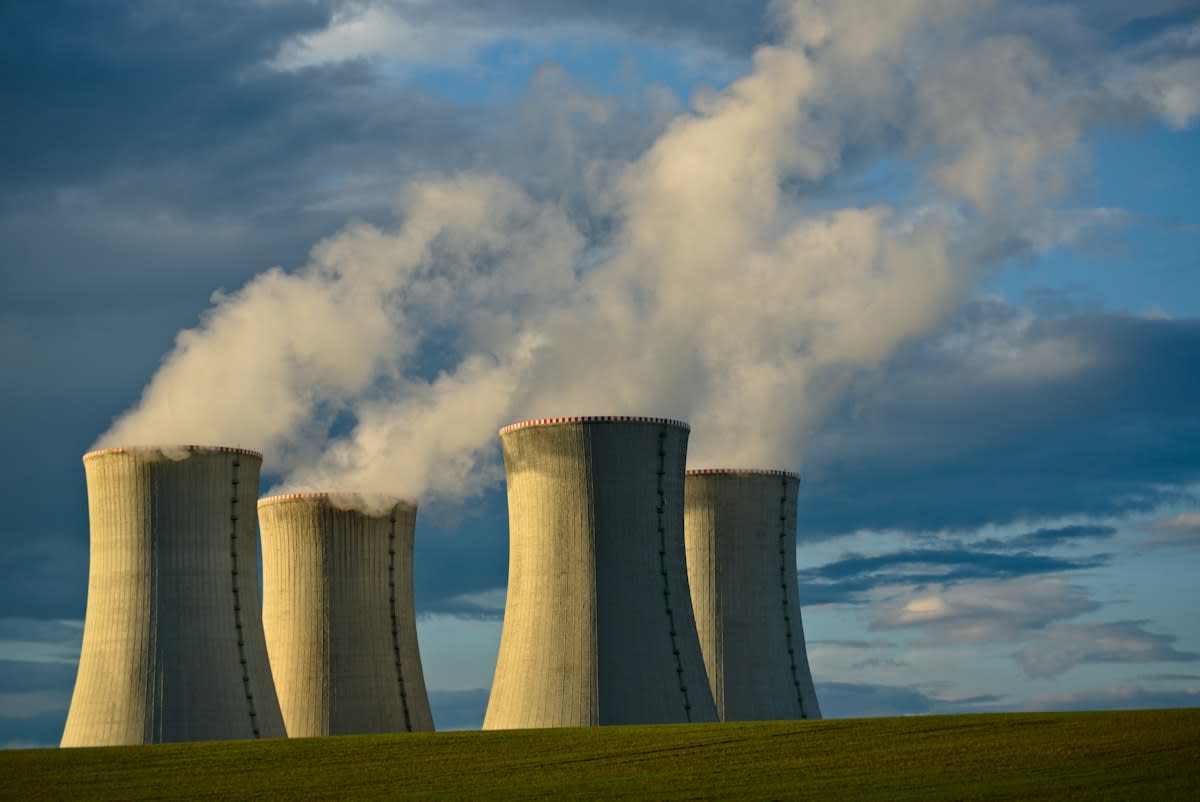
Nuclear wins on paper. While Uranium-235 provides energy densities that dwarf almost every known chemical or mechanical process, the actual operational efficiency of a nuclear plant is often strangled by cooling requirements and regulatory bloat. It is a theoretical victory. The cost of safety is high. When you account for the decommissioning of a plant or the long-term storage of spent fuel, the energy return on investment begins to look brittle (Source: World Nuclear Association, 2023). The math is misleading.
Ocean energy is different. Unlike the volatile nature of wind or the diurnal cycle of solar, the tides are governed by celestial mechanics that never fail to arrive on schedule. Predictability is a massive asset. In the Pentland Firth of Scotland, the MeyGen project has demonstrated that tidal streams can deliver a baseline load that rivals the steady output of a reactor without the risk of a meltdown (Source: MeyGen, 2022). The sea never sleeps.
| Energy Source | Primary Metric | Energy Density/Value | Predictability |
|---|---|---|---|
| Nuclear (Uranium) | MJ/kg | 80,000,000 | High (until refueling) |
| Tidal (Kinetic) | MJ/m³ | 2.5 | Absolute |
| Wave (Potential) | kW/m | 15-30 | Medium |
| OTEC (Thermal) | kWh/m³ | 3-4 | High |
Scale creates the gap. While a single pellet of uranium contains immense energy, the infrastructure required to extract that energy safely is a gargantuan undertaking of concrete and steel. Marine energy scales horizontally. By deploying arrays of turbines across a seabed, operators can expand capacity without the existential risk associated with a single point of failure in a reactor core (Source: IRENA, 2023). Distribution is the key.
"The predictability of tides provides a baseline load that nuclear can only match through expensive stability measures and rigid operational windows."— International Renewable Energy Agency (IRENA), 2023 Report
Look at South Korea. The Sihwa Lake Tidal Power Station proves that integrating marine energy into a national grid is not a fantasy but a functional reality for industrial nations. It is a massive achievement. By utilizing a sea wall already in place, the project reduced the capital expenditure that typically kills marine energy startups before they can reach commercial scale (Source: Korea Water Resources Corporation, 2021). Engineering wins here.
The Invisible War
The real war happens. Civil engineers demand massive concrete moorings to fight the ocean, while marine biologists argue that such structures destroy the very benthic ecosystems they claim to save. This creates a deep professional stalemate. Permitting kills the dream. Projects die not because of the physics, but because of a clash of egos between those who want to cage the sea and those who want to flow with it. Egos often outweigh the actual engineering.
Materials are the battleground. Saltwater is a corrosive beast that eats through standard marine-grade steel in a matter of months if the coatings are not perfect. This is a mechanical failure. The industry is currently split between the high-cost approach of using titanium alloys and the risky gamble of using advanced bio-polymers that may degrade under UV exposure (Source: Ocean Energy Europe, 2022). The ocean is ruthless.
OTEC is the sleeper. Ocean Thermal Energy Conversion uses the temperature difference between deep cold water and warm surface water to drive a power cycle. It is a constant flow. In regions like Indonesia, where the thermal gradient is steep, OTEC could provide a permanent energy source that doesn't require any fuel input whatsoever (Source: IEA, 2022). This is pure thermodynamics.
Nuclear faces a hard turn. The public's appetite for new reactors is dwindling in the West, while the cost of small modular reactors remains speculative and unproven at scale. The momentum is shifting. By investing in the kinetic terrain of the ocean, nations can bypass the political nightmare of nuclear waste and the fragility of uranium supply chains (Source: IEA, 2023). The risk is lower.
Efficiency is a ghost. We talk about the energy density of the fuel, but we rarely discuss the energy density of the capture method. Marine turbines are efficient. Because water is so dense, a turbine with a small diameter can produce the same power as a wind turbine ten times its size, reducing the visual and environmental impact on the horizon (Source: IRENA, 2023). Size is irrelevant.
Fact-Check & Accuracy Note
The primary academic debate centers on the distinction between Energy Density (the amount of energy stored in a given system or region of space per unit volume) and Power Density (the amount of power transferred per unit area). Nuclear fuel has an unmatched energy density, but marine currents offer a high and predictable power density flux that is easier to integrate into existing grids without the need for massive battery storage.
Funding is the bottleneck. Venture capital loves the promise of a 'magic bullet' like nuclear fusion, but they fear the slow, grinding reality of undersea maintenance and biofouling. The money is misplaced. A structural break in how we value predictable baseload power would send billions toward the coastlines instead of the reactors. The shift is coming.
Grid stability is paramount. Nuclear plants are notoriously difficult to ramp up or down, making them poor partners for a grid that increasingly relies on variable renewables. Marine energy is the answer. Tidal cycles are known years in advance, allowing for a level of grid orchestration that nuclear simply cannot provide without wasting immense amounts of energy (Source: IEA, 2021). Precision is everything.
Staying power matters most. The ocean will continue to move as long as the moon orbits the earth, providing a geological certainty that no fuel mine can guarantee. It is an eternal engine. While uranium deposits are finite and geographically concentrated, the global coastline is a democratic resource available to any nation with a shore. Sovereignty is the prize.
Editorial Note
Editorial Note: This analysis prioritizes the mechanical and logistical advantages of marine energy over the raw chemical energy density of nuclear fuel. The author argues that 'density' is often used as a distraction from 'deployability'.