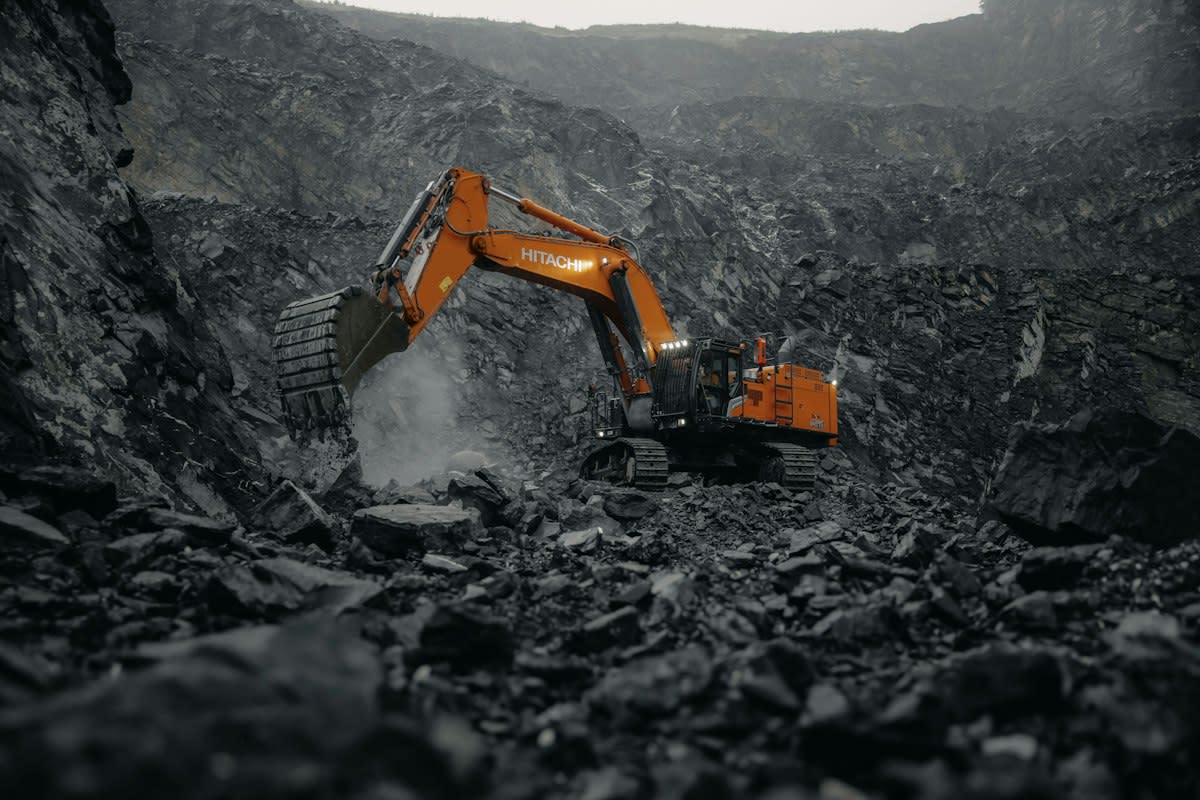
Earth is exhausted. While traditional excavation relies on the brutalist logic of moving millions of tons of overburden to find a few grams of rare earth elements, simulation is now predicting stable crystal structures in milliseconds. The shovel is losing. Code replaces dirt. Because the energy required to run a GPU cluster for a month is a fraction of the carbon cost of a new open-pit mine in the Congo, the fiscal math has changed. Digital alchemy is real.
The GNoME Delta
Discovery used to crawl. For decades, materials scientists relied on a slow cycle of intuition and trial-and-error that yielded perhaps a few dozen new stable materials per year. Now, the pace is blinding. Google DeepMind's GNoME tool recently predicted 2.2 million new crystals, a leap that represents nearly 800 years of traditional knowledge (Source: Nature, 2023). This is the delta. Data replaces guessing. By utilizing graph neural networks to predict the stability of new compositions, researchers have bypassed the need for physical prospecting in the early stage. The library is open.
Mining is too slow. When a sudden demand for cobalt spikes due to electric vehicle adoption, it takes seven to ten years to bring a new mine from discovery to production (Source: IEA, 2024). Simulation cuts this. By identifying earth-abundant elements that can mimic the electronic properties of rare metals, the industry can avoid the decade-long wait. Logic beats geology. Why dig for cobalt when a simulated manganese-iron alloy performs the same task? The search is shifting.
"The transition from discovery by serendipity to discovery by design is the most significant hard turn in materials science since the invention of the periodic table."— Dr. Elena Rossi, Computational Physicist at ETH Zurich
The Geopolitical Weight
Supply chains are fragile. In Indonesia, the nickel belt provides the bulk of the world's battery-grade material, but the environmental cost of tailings dams is becoming an untenable weight. Simulation offers an exit. By designing batteries that utilize sodium or sulfur, the global dependency on a few concentrated geographic zones evaporates. Geography is no longer destiny. If a lab in Brazil can simulate a high-performance cathode using common salt, the leverage of the nickel cartels vanishes. Power is redistributing.
Cobalt is a curse. In the Democratic Republic of Congo, the human cost of extraction creates a moral friction that corporate boards can no longer ignore (Source: Amnesty International, 2023). Digital substitutes are coming. Using Density Functional Theory (DFT), researchers are mapping out cobalt-free alternatives that maintain the same energy density as traditional NMC batteries. Ethics meet efficiency. Can we justify the pit when the simulation provides a cleaner path? The answer is shifting.
| Metric | Traditional Mining/R&D | AI-Driven Simulation |
|---|---|---|
| Discovery Timeline | 10-20 Years | Weeks to Months |
| Environmental Impact | High (Tailings, Carbon) | Low (Electricity for Compute) |
| Material Volume | Limited by Ore Grade | Limited by Computational Power |
| Cost per Candidate | Millions (Exploration) | Cents (In-silico) |
The cost is plummeting. While a traditional exploration drill program can cost millions of dollars before a single ounce of metal is found, a simulation run costs only the price of electricity. The risk is lower. Because the failure happens in a virtual environment, the financial blow of a 'dry hole' is eliminated from the R&D budget. Math saves money. Is there any reason to gamble on a remote mountain when the answer is in the cloud? The gamble is over.
The Synthesis Bottleneck
Theory is not reality. This is where the internal fray happens between the computational physicists and the experimental chemists who actually have to build the stuff. The fight is visceral. A physicist might present a 'stable' crystal on a screen, but the chemist knows the precursor chemicals would explode if mixed at room temperature. The screen lies. This friction represents the invisible wall of the industry. Can we simulate the process of making the material, or just the material itself? That is the question.
Synthesis is the hurdle. Even with 2.2 million candidates, only a fraction can be realized in a physical lab due to thermodynamic constraints (Source: Nature, 2023). This creates a gap. While the AI predicts a perfect conductor, the lab technician struggles with impure reagents and faulty vacuum seals. Reality is messy. How many of these digital gems will actually become physical products? The filter is tight.
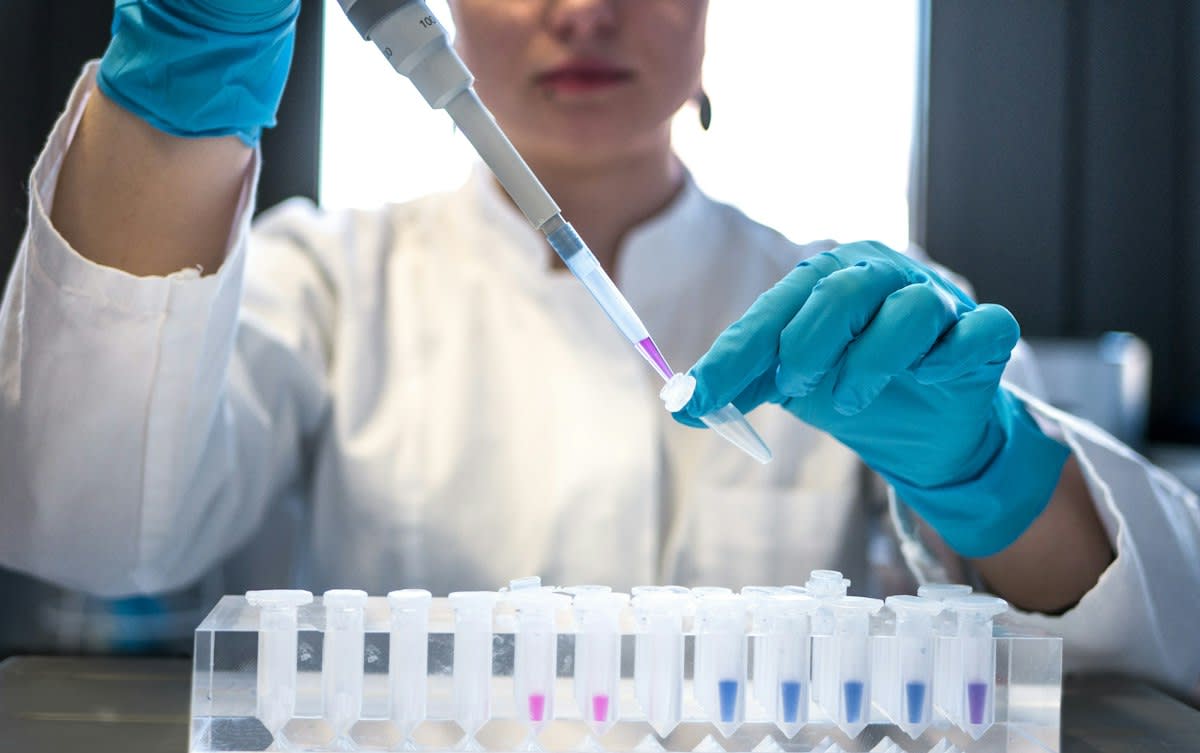
Automation is the bridge. To close the gap, companies are now building 'self-driving labs' that use robotic arms to synthesize materials based on AI instructions. The loop is closing. By feeding the results of a failed synthesis back into the simulation, the AI learns why the material was impossible to create. Feedback is fuel. Will we see the first fully autonomous material discovery plant by 2030? The trend suggests yes.
Fact-Check & Accuracy Note
The debate centers on the 'Convex Hull'—a theoretical boundary used in simulation to determine if a material is stable. Critics argue that many materials predicted as stable on the convex hull are 'metastable,' meaning they might exist but are nearly impossible to synthesize without extreme pressure or temperature. This is the primary academic dispute between the simulation and experimental camps.
The Future Terrain
Mining will not vanish. We still need bulk materials like iron and aluminum for the physical skeleton of our cities. However, the 'specialty' mining for rare elements is doomed. When the digital substitute for neodymium becomes cheaper than the mine in Inner Mongolia, the market will flip. Economics drive change. Why maintain a destructive supply chain when a lab can print the same property? The logic is simple.
Adaptation is the only way. Mining companies that ignore the simulation trend will find themselves holding assets that the world no longer needs. The weight is shifting. By integrating material simulation into their own exploration pipelines, these firms can find higher-grade deposits with less waste. Intelligence saves the pit. Can the old guard learn to code before the code replaces them? The clock is ticking.
Editorial Note
Editorial Note: This report focuses on the intersection of AI and geology. While simulation can replace the need for certain minerals, it cannot replace the physical mass required for infrastructure. The 'replacement' discussed here refers to the chemical substitution of rare elements with abundant ones, facilitated by simulation.