Manithaneya Makkal Katchi Protests In Chennai, Seeks Release Of 22 Muslim Convicts
Source Entity
NDTV News Search Records Found 1000
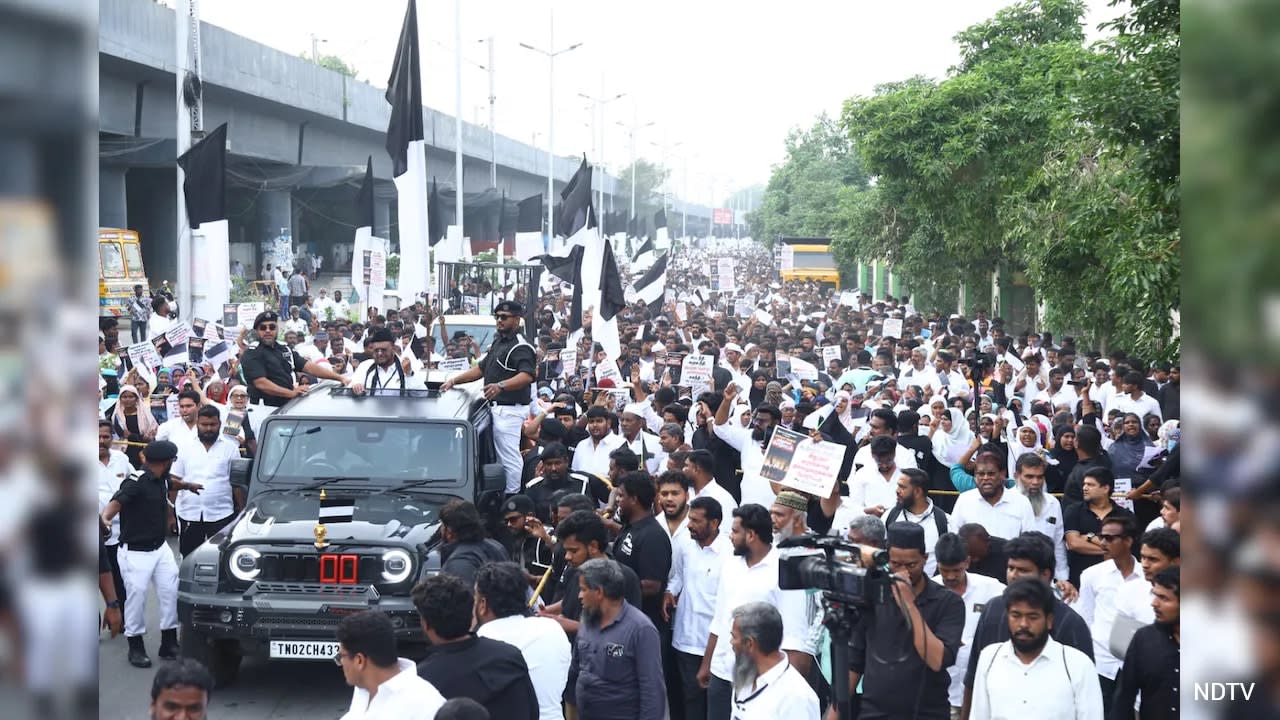
The Tamil Muslim Munnetra Kazhagam (TMMK) held a protest in Chennai demanding the release of long-incarcerated Muslim convicts and the expansion of reservation benefits. MLA M.H. Jawahirullah urged the government to formalize these changes through legislative amendments.
TMMK Mobilizes for Prisoner Release and Reservation Expansion
On Tuesday, thousands of cadres associated with the Tamil Muslim Munnetra Kazhagam (TMMK) gathered in Chennai to stage a significant protest. The primary objective of the demonstration was to advocate for the humanitarian release of Muslim prisoners who have been incarcerated for nearly 28 years. This long-standing detention has become a focal point for the organization, which argues that the duration of their imprisonment warrants a review based on humanitarian considerations rather than solely legalistic constraints.
Legislative Demands and Reservation Policy
Beyond the call for prisoner releases, the protest highlighted a critical policy issue regarding the 3.5% reservation quota currently allocated to Backward Class (BC) Muslims in Tamil Nadu. The TMMK is pushing for an amendment that would allow individuals from the Backward Class (BC) and Most Backward Class (MBC) categories who convert to Islam to be eligible for this specific reservation. Currently, the ambiguity surrounding the inclusion of converts within this quota remains a point of contention that the organization aims to resolve through legislative action.
The Role of M.H. Jawahirullah and Government Accountability
Speaking at the event, Papanasam MLA M.H. Jawahirullah voiced strong criticism toward the current administration, specifically the TVK-led government. While acknowledging the government's stated supportive stance toward the Muslim community, Jawahirullah argued that rhetoric is insufficient. He emphasized that the government must move beyond verbal assurances and take concrete steps, specifically by proposing and passing an amendment in the Legislative Assembly to formalize the expansion of reservation benefits.
Diplomatic Efforts and Administrative Engagement
The TMMK has not relied solely on public demonstrations to pursue its goals. According to statements made during the protest, representatives have actively engaged with state ministers, including the Law Minister and the Public Works Minister. These meetings underscore the organization's strategy of combining grassroots pressure through mass mobilization with direct lobbying of key government officials to expedite their policy demands.
Broader Implications and Future Outlook
The persistence of the TMMK in raising these issues suggests that the status of long-term prisoners and the nuances of reservation policies will remain significant topics in Tamil Nadu's political discourse. The demand for legislative intervention reflects a desire for systemic change that addresses perceived gaps in social justice policies. As the government faces continued pressure from advocacy groups, the way it responds to these calls for humanitarian reform and quota adjustments will likely serve as a litmus test for its commitment to its minority welfare agenda.
Verification Required?