Dawood Ibrahim’s story was shaped here. The Musafirkhana building is now being demolished
Source Entity
Zeeshan Shaikh, Nayonika Bose
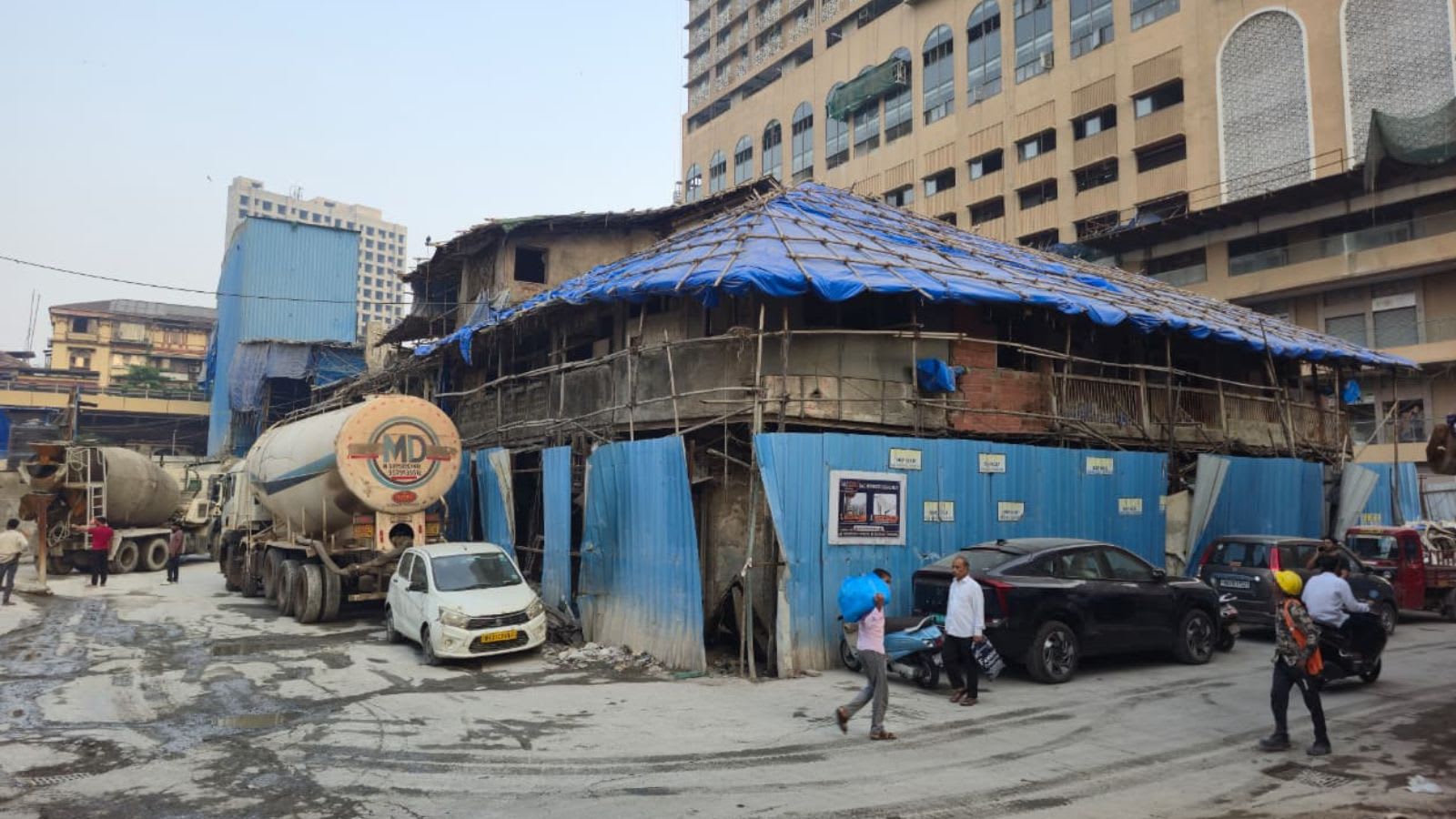
The BMC has begun the demolition of Mumbai's historic Musafirkhana building, citing its dangerous structural condition. Once a rest house for Haj pilgrims, the site is infamous for its historical association with Dawood Ibrahim and the D-Company.
The End of an Era: Demolition of the Historic Musafirkhana
The Brihanmumbai Municipal Corporation (BMC) has officially commenced the demolition process of the Haji Ismail Haji Habib Musafirkhana, located in the Bhendi Bazaar area of Mumbai. This structure, which has stood as a silent witness to decades of urban transformation, is being razed following its classification as a 'C-1 dangerous structure.' The demolition, scheduled for mid-November, marks the end of a building that once served a noble religious purpose but eventually became synonymous with one of India's most notorious criminal figures.
Historical Significance and Original Purpose
Constructed to serve a vital humanitarian role, the Musafirkhana was originally designed as a lodging facility for Haj pilgrims. During an era when Bombay acted as the primary gateway for travelers from across the Indian subcontinent heading to Mecca, this building provided essential, safe accommodation. With 36 rooms, it functioned under a trust structure formalized by the Bombay High Court in 1944. Its architecture and history represent the cosmopolitan and transit-oriented nature of mid-20th-century Mumbai.
From Pilgrim Haven to Criminal Nerve Centre
Over time, the building’s legacy shifted drastically. It became the residence of Dawood Ibrahim and his family, ultimately evolving into the operational nerve centre for the early years of the 'D-Company.' This transformation turned a site of religious pilgrimage into a focal point for criminal investigations and urban infamy. The dual identity of the building—as both a former charitable lodge and a base for organized crime—has made its demolition a subject of intense public and legal scrutiny.
Legal and Procedural Challenges
The demolition process has not been without controversy. Recent reports highlight a growing dispute regarding the building's status, specifically whether it functions as a 'Prayer Hall' or a 'Mosque.' This ambiguity has complicated the BMC's efforts to clear the dilapidated structure. As the civic body moves forward, balancing the structural safety of the neighborhood with the sensitivities surrounding the site's historical and religious claims remains a significant challenge for local authorities.
Broader Implications for Bhendi Bazaar
The razing of the Musafirkhana is part of the ongoing, broader redevelopment narrative of the Bhendi Bazaar area. As Mumbai continues to modernize, the city is grappling with the removal of decaying infrastructure that poses safety risks to residents. The removal of this specific building serves as a symbolic clearing of the past, as the city attempts to move beyond the associations of its criminal history while simultaneously addressing the practical, urgent need for urban renewal and disaster prevention.
Conclusion: A Final Chapter
As the bulldozers finish their work on November 18 and 19, a significant piece of Mumbai's complex history will be physically erased. While the structure itself will disappear, its legacy as a site of both pilgrimage and criminal activity will remain etched in the local memory. The demolition underscores the BMC's commitment to prioritizing public safety through the removal of C-1 category buildings, effectively closing a controversial chapter in the annals of Mumbai's urban development.