
Your soil is starving. While industrial monocultures strip the earth of its vital nutrients through chemical saturation, millets actively restore the subterranean microbiome by fostering deep root networks. They rebuild the ground. Most growers assume that high-input fertilizers are the only way to maintain yields in arid zones, yet these chemicals often kill the very fungi that make plants grow. Millets prove them wrong. (Source: FAO, 2023).
Prerequisites for Soil Restoration
Stop the tilling. If you continue to rip the soil apart with heavy machinery, you destroy the fungal hyphae that millets use to transport water during droughts. The earth needs stillness. You will need locally adapted landrace seeds rather than commercial hybrids because the latter often require the very chemicals we aim to eliminate. Local seeds hold memory. (Source: ICAR, 2022).
- Landrace seed stock (Pearl, Finger, or Foxtail millet)
- Low-disturbance seeding tool or hand-dibbler
- Organic compost or well-rotted manure
- Soil pH and carbon test kit
- Mulching materials from previous crop residues
The Restoration Protocol
Start with selection. Identify the most degraded patches of your land where other crops have failed and the dust blows away in the wind. Focus on the margins. By planting millets in these brittle zones, you create a biological anchor that prevents topsoil loss. (Source: CGIAR, 2021). It is a slow process. You must accept that the first year is about soil health, not maximum grain volume, as the plants work to suture the broken earth. Patience pays dividends.
- Map your soil degradation zones to prioritize the most eroded areas first.
- Apply a thin layer of organic compost to provide an initial microbial spark.
- Plant seeds at a depth of 3-5 centimeters to ensure the roots reach moisture quickly.
- Intercrop with legumes like pigeon pea to naturally fix nitrogen into the soil.
- Leave 30% of the crop residue on the surface after harvest to feed the soil biota.
- Rotate the millet with a deep-rooted cover crop in the following season.
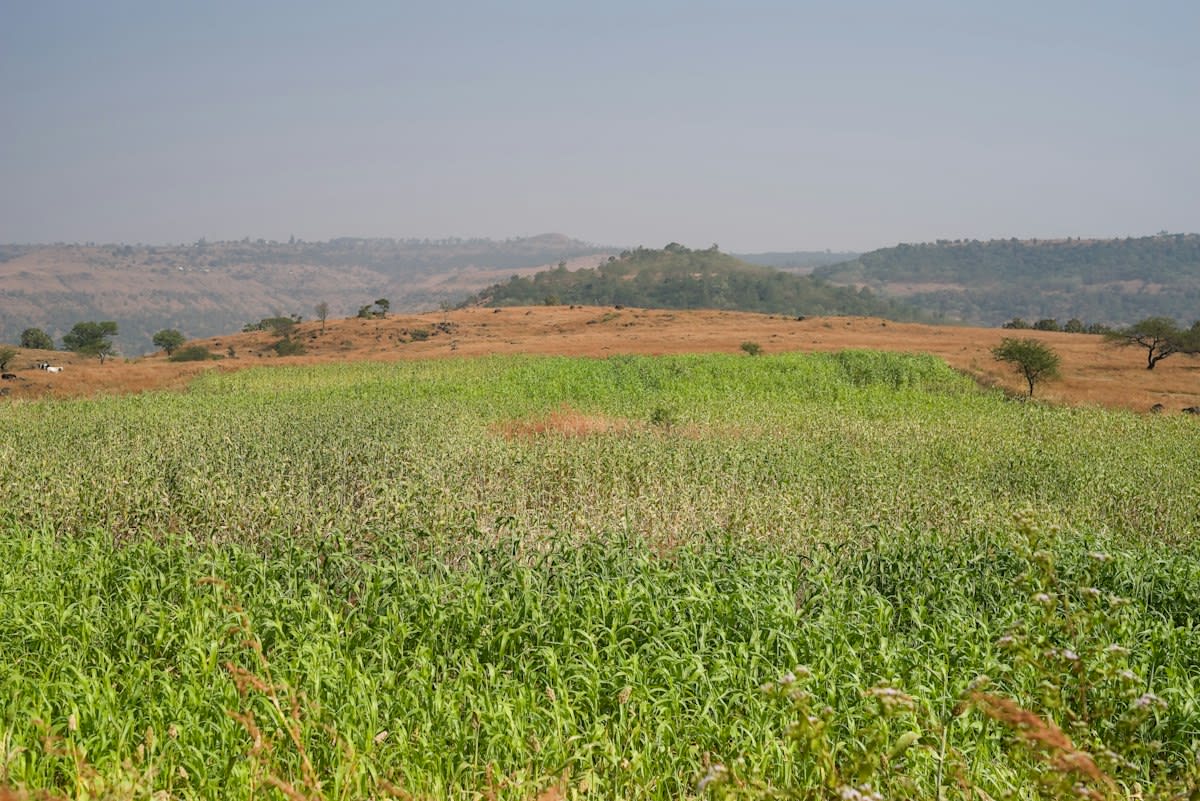
Water is scarce. Millets use significantly less water than maize or rice, often requiring only 250-500mm of rainfall per cycle to produce a viable yield. They drink sparingly. This efficiency allows the soil to retain a moisture grip that benefits subsequent crops in the rotation. (Source: World Bank, 2022). Do not overwater. Excessive irrigation leads to nutrient leaching and encourages root rot in these hardy species. Keep it lean.
"The real value of millet is not the grain in the silo, but the carbon it pumps into the ground. We are seeing a return to ancestral wisdom that treats the soil as a living organism rather than a factory floor."— Dr. Amara Diallo, Soil Scientist at the Sahel Agricultural Institute
Carbon is wealth. Millets sequester carbon deeper in the soil profile than most annual grasses, moving organic matter into the subsoil where it stays protected. This creates a sponge. When the rains finally arrive, this carbon-rich soil absorbs water instead of letting it run off the surface. (Source: Nature Communications, 2020). It changes everything. You will notice the soil color shift from a pale grey to a deep, chocolate brown over three seasons.
The Practitioner's Conflict
The fight is real. In the Sahel region, a fierce clash exists between traditional seed savers and government agents pushing certified hybrid seeds. The agents promise higher yields. However, those of us on the ground see the hybrids fail when the rain misses by a week, while the landraces survive. It is a war of ideology. We argue over whether the goal is a short-term harvest or the survival of the land for the next century. The hybrids demand chemicals that kill the soil. We choose the slower path.
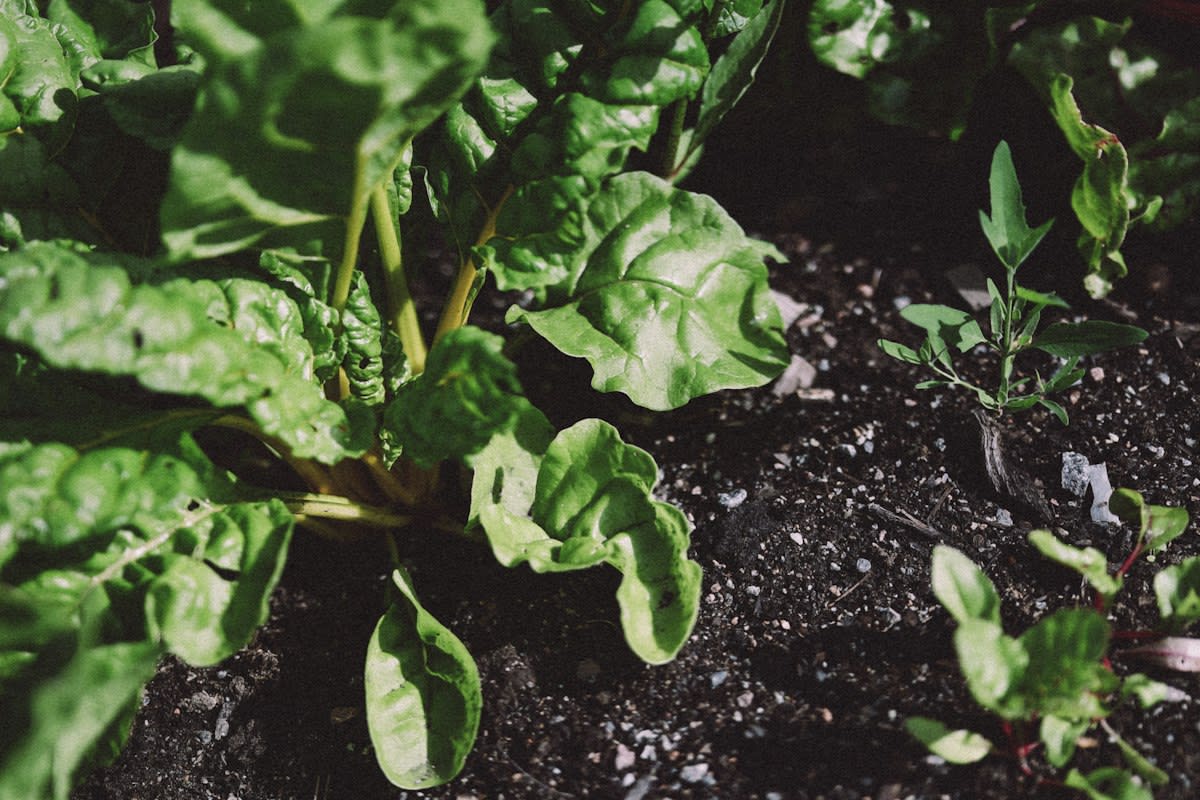
Manage the residue. Many farmers make the mistake of burning the stalks to clear the field for the next planting. This is a crime. Burning releases the carbon you just spent six months sequestering and kills the surface microbes. (Source: FAO, 2023). Chop it instead. Incorporate the stalks into the topsoil or leave them as mulch to suppress weeds and keep the ground cool. The waste is the fuel.
Fact-Check & Accuracy Note
The primary debate in current soil science involves the exact rate of carbon sequestration in C4 grasses like millet compared to C3 cover crops. While some studies suggest millets are superior in arid zones, others argue that the total biomass is too low to compete with legumes. Most practitioners agree that the water-efficiency trade-off makes millets the logical choice for drylands. (Source: Global Soil Partnership, 2021).
Common Pitfalls
Avoid the trap. Many beginners try to force millets into a standard corn-soybean rotation without adjusting their tillage practices. The result is failure. Millets cannot thrive if you continue to treat the soil like a sterile medium. (Source: ICAR, 2022). Stop the chemicals. Using synthetic nitrogen with millets suppresses the plant's natural ability to forage for minerals. You weaken the crop. Let the plant struggle slightly; that is how it builds the root depth required for soil wealth.
Editorial Note
Editorial Note: This guide prioritizes long-term soil health over immediate yield. In some jurisdictions, government subsidies may discourage the use of landrace seeds. Consult local agricultural laws before switching from certified hybrids.