
The 2024 Breaking Point
For years, the energy transition narrative focused almost exclusively on the lithium-ion battery. It was the gold standard for everything from smartphones to Tesla Powerwalls. But the grid is not a smartphone. In 2023, the industry hit a wall: the four-hour discharge limit. While lithium excels at short-term frequency regulation, it fails miserably when a city needs power for three days of windless, cloudy weather. This is where the quiet surge of molten salt storage enters the frame, shifting from a niche Concentrated Solar Power (CSP) accessory to a standalone grid powerhouse in 2024.
What changed in the last twelve months? The delta is found in the shift toward Long Duration Energy Storage (LDES). Twelve months ago, molten salt was viewed primarily as a way to keep solar plants running after sunset. Today, we are seeing a strategic pivot toward using excess wind and solar electricity to heat salt to over 560 degrees Celsius, storing that energy in massive insulated tanks for weeks. It is a brute-force solution to a complex problem. By decoupling power (the size of the turbine) from energy (the size of the salt tank), operators can scale storage capacity without the exponential costs associated with adding more lithium cells.
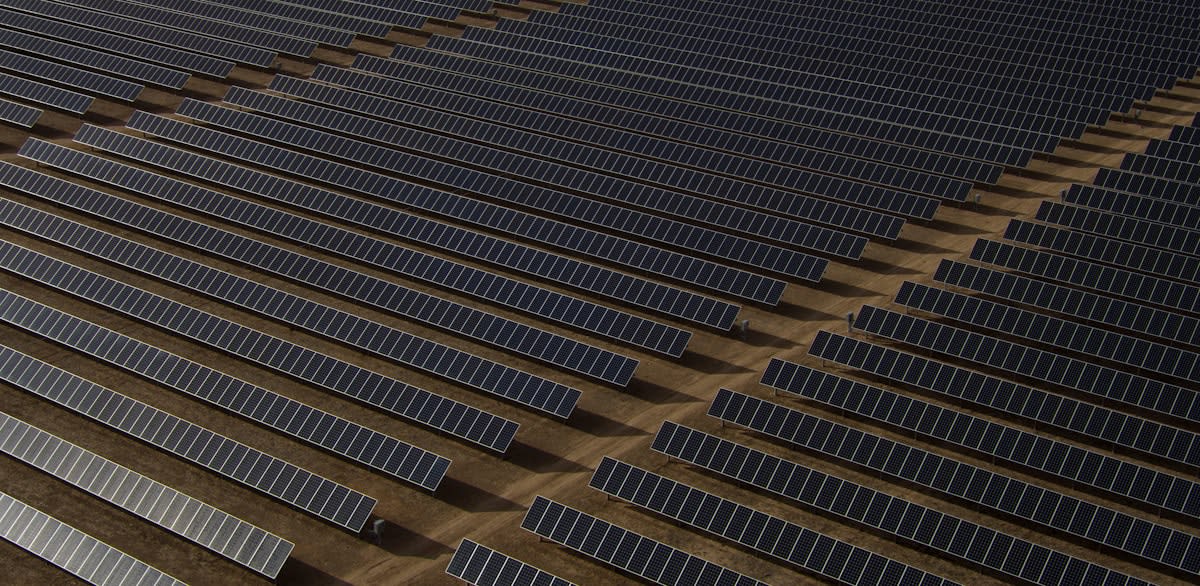
Is it possible to run a modern economy on intermittent sources? Only if the storage medium is as resilient as the grid itself. Molten salt—typically a mixture of sodium nitrate and potassium nitrate—doesn't degrade after 3,000 cycles like a chemical battery. It doesn't catch fire in a thermal runaway event. It simply holds heat. This stability is attracting sovereign wealth funds and utility giants who are tired of the volatility of the cobalt and lithium supply chains. They are looking for minerals that are abundant, cheap, and geographically distributed.
A Global Map of Thermal Ambition
The deployment is not happening in a vacuum; it is a fragmented, global race. In China, the scale of adoption is staggering. The government has integrated massive molten salt storage systems into its CSP hubs in the Gobi Desert, treating thermal storage as a strategic national reserve. They aren't just chasing efficiency; they are chasing energy sovereignty. By utilizing domestic salt supplies, they bypass the geopolitical bottlenecks of the Rare Earths market, ensuring that their transition to renewables isn't dependent on a handful of mining jurisdictions.
Across the Mediterranean, Morocco's Noor Ouarzazate complex serves as a living laboratory for this technology. By leveraging the intense Saharan sun to melt salt, Morocco provides electricity to millions long after the sun dips below the horizon. This isn't just about light bulbs; it's about industrializing a region using baseload renewable power. The ability to store heat for 15 hours or more transforms solar energy from a variable asset into a reliable utility, mimicking the behavior of a coal or gas plant without the carbon footprint.
In Europe, the focus has shifted toward industrial decarbonization. Germany and Spain are exploring 'electric-to-heat' systems where excess wind power from the North Sea is used to heat salt blocks. This heat is then sold directly to chemical plants or steel mills that require high-grade thermal energy. Why convert electricity to heat and back to electricity when you can just use the heat? This direct application bypasses the efficiency losses of traditional batteries and solves the hardest part of the energy transition: heavy industry.
"The obsession with electrochemical storage was a detour. For grid-scale resilience, we must return to the physics of heat. Molten salt isn't a replacement for lithium; it is the foundation that allows lithium to exist in the smaller, faster roles it was meant for."— Dr. Elena Vance, LDES Systems Architect
This geographical diversity proves that molten salt is not a one-size-fits-all solution, but a flexible tool. Whether it is the vast plains of the US Midwest or the high altitudes of Chile, the physics remain the same. The goal is to create a thermal buffer that can withstand seasonal shifts. While a lithium battery might struggle in extreme cold or overheat in the desert, a well-insulated salt tank is largely indifferent to the weather outside its walls.
The Economics of Heat vs. Chemistry
The financial argument for molten salt rests on the Levelized Cost of Storage (LCOS). For short-duration needs (1-4 hours), lithium is unbeatable. But as the required duration increases to 10, 20, or 100 hours, the cost curve for lithium spikes vertically. You simply cannot afford to buy ten times as many batteries to get ten times the duration. Molten salt, however, scales linearly. To double your storage, you don't buy a new battery system; you just build a bigger tank and buy more salt.
| Metric | Lithium-Ion | Molten Salt (Thermal) |
|---|---|---|
| Typical Duration | 2-4 Hours | 10-100+ Hours |
| Cycle Life | 3,000 - 10,000 | Virtually Unlimited |
| Degradation | High (Chemical Wear) | Low (Thermal Loss) |
| Material Scarcity | High (Lithium/Cobalt) | Very Low (Nitrate Salts) |
| Cost Scaling | Exponential | Linear |
Current market valuations for LDES are beginning to reflect this reality. We are seeing a surge in venture capital flowing into 'thermal batteries' that can integrate with existing steam turbines. By utilizing old coal plant infrastructure—replacing the boiler with a molten salt heat exchanger—utilities can save billions in decommissioning costs. It is the ultimate recycling project: turning the ghosts of the fossil fuel era into the anchors of the renewable era.
The Freeze Risk
One critical technical hurdle remains: the freezing point. Molten salts must be kept above a certain temperature (usually around 220C) to prevent them from solidifying. If the salt 'freezes' in the pipes, the system becomes a very expensive block of rock. This requires constant 'trace heating,' which consumes a small portion of the stored energy.
Despite the freeze risk, the environmental trade-off is undeniable. Lithium mining is water-intensive and often ecologically destructive in the 'Lithium Triangle' of South America. Salt, by contrast, is a commodity produced globally with a fraction of the environmental footprint. The shift to molten salt is not just a technical upgrade; it is an ethical realignment of the supply chain. We are moving from a scarcity-based energy model to an abundance-based one.
The Horizon: 2025 and Beyond
As we move into 2025, expect to see the first 'hybrid' parks. These will be installations that combine lithium for rapid-response grid stability and molten salt for overnight and multi-day loads. This synergy eliminates the weaknesses of both technologies. The lithium handles the spikes; the salt handles the slump. This combination allows a grid to operate with 100% renewables without the fear of a total blackout during a 'Dunkelflaute'—those dreaded periods of no wind and no sun.
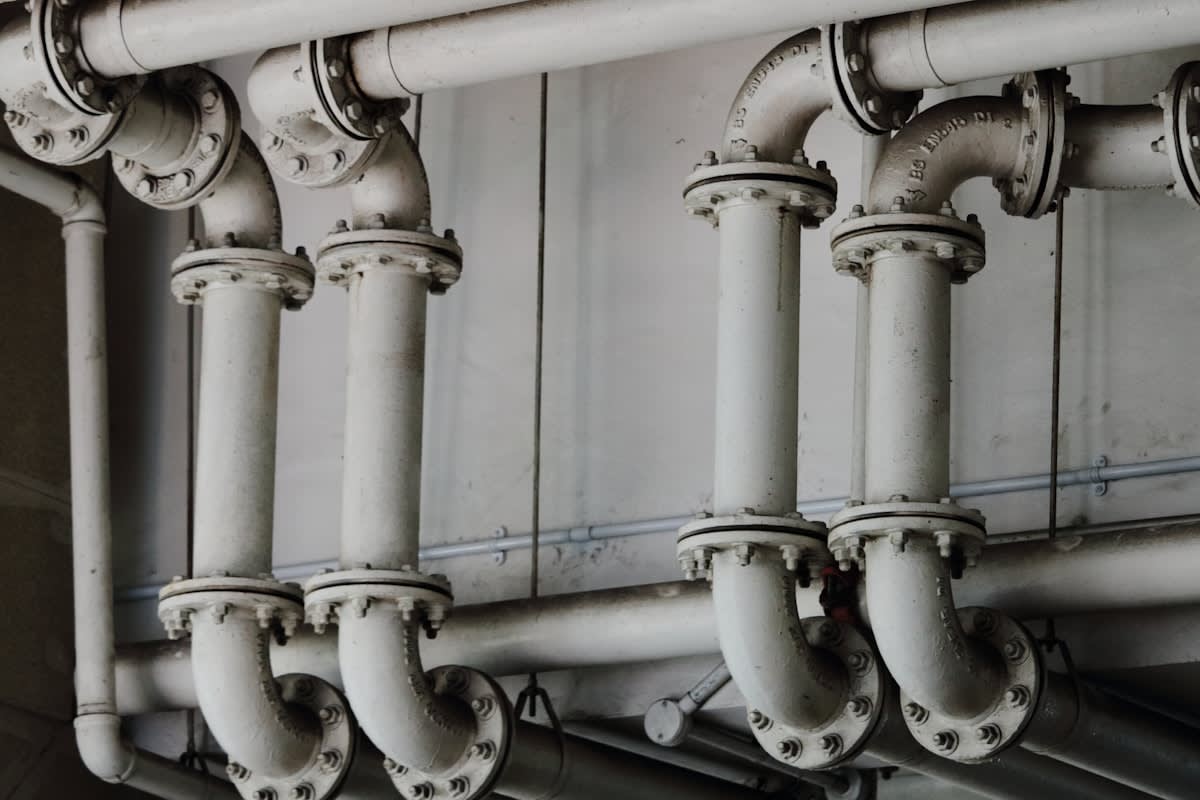
The final frontier is the integration of molten salt with geothermal energy. By using salt as a medium to transport heat from deep underground to the surface more efficiently, we could unlock a truly infinite source of baseload power. The technology is currently in pilot phases in the US and Iceland, but the potential is seismic. If successful, the grid will no longer depend on the weather at all, but on the heat of the earth itself, managed by the very salts we've spent the last decade perfecting.
Estimated LDES Market Share Growth (2023-2030)
Executive Insight
+18.4%
YTD Growth
Ultimately, the rise of molten salt is a lesson in humility for the tech-centric energy world. We tried to solve a planetary-scale problem with the same chemistry we use for laptops. But the grid is a beast of a different nature. It requires mass, heat, and endurance. By embracing the simple, raw physics of molten salt, we are finally building a system that doesn't just survive the energy transition but thrives within it.