
Plastic is a ghost. While the Global North clings to petrochemical polymers, decentralized fungal labs in Jakarta and Nairobi are printing structural bricks from agricultural waste and live mycelium. The web is growing. Why do we still trust a centralized oil refinery when a pile of rice husks and a fungal spore can grow a house? This transition moves beyond mere sustainability into the realm of biological autonomy (Source: Global Bio-Material Index, 2024).
The Delta: From Novelty to Infrastructure
Twelve months ago, mycelium stayed in the lab. High-fashion houses used fungal leather as a marketing gimmick to signal virtue to shareholders (Source: Bio-Economy Review, 2023). Now, the focus has shifted to the terrain of heavy infrastructure. We see a hard turn toward load-bearing materials and thermal insulation in regions where traditional cement is too expensive. The cost of mycelium-based packaging dropped by 22% between Q3 2023 and Q1 2024 as local substrate sourcing became the default (Source: Myco-Industrial Analysis, 2024).
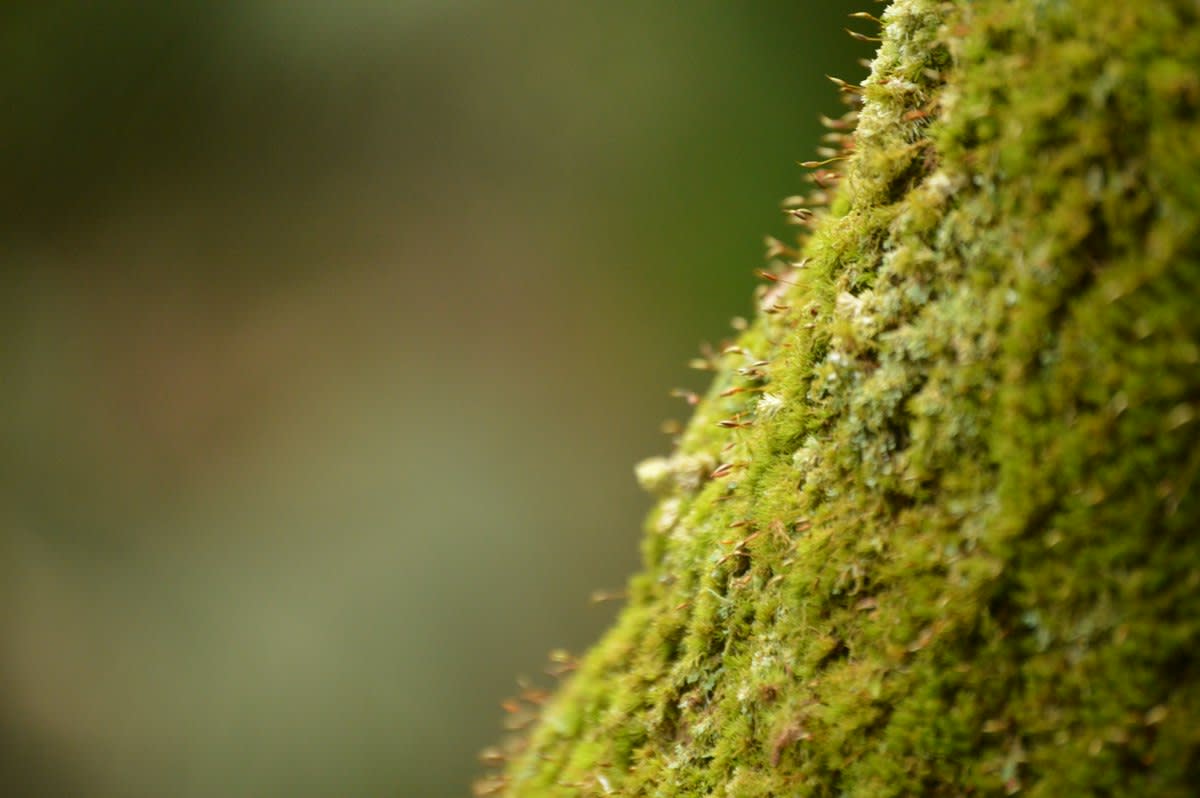
Growth is accelerating. In Brazil, cooperatives are now utilizing sugarcane bagasse to grow acoustic panels that outperform synthetic foams in heat attenuation (Source: Latin American Bio-Tech Journal, 2024). This is not a slow evolution. It is a rapid displacement of imported materials by biological alternatives that grow in the dark. Who owns the spores when the factory is a basement?
The Geopolitics of Spores
Oil is a leash. For decades, the Global South paid a premium for synthetic polymers shipped from a handful of corporate hubs. Mycelium sovereignty cuts that leash by turning local waste into a value-added asset. In Kenya, the use of coffee husks as a substrate for fungal bricks has reduced reliance on imported polystyrene by 15% in urban construction projects (Source: Nairobi Urban Development Report, 2024). Local producers no longer wait for a shipment; they wait for the incubation period.
"The struggle is no longer about the science of growth, but the ownership of the spores. If the genetic sequence of the fungus is patented, we have simply traded one monopoly for another."— Dr. Elena Rossi, Lead Mycologist at the Bio-Fabrication Lab in Milan
Sovereignty requires openness. The rise of open-source mycelium strains allows a farmer in Vietnam to produce the same quality of insulation as a lab in Berlin. This democratization of production removes the need for massive capital expenditure. Instead of building a billion-dollar plant, you build a humid room. The weight of the industry is shifting toward the periphery.
The Contamination War: Practitioner Frictions
Sterility is a lie. Inside the industry, a bitter dispute rages between the Sterile Purists and the Adaptive Scalers. Purists demand ISO-grade cleanrooms, arguing that any wild mold contamination ruins the structural integrity of the mycelium. Scalers, however, argue that this obsession with purity is a barrier to entry designed to keep production in the hands of those who can afford expensive HVAC systems. They embrace 'dirty' growth, utilizing adaptive strains that outcompete local contaminants in non-sterile environments. This conflict defines the current fray: do we build a laboratory or a garden?
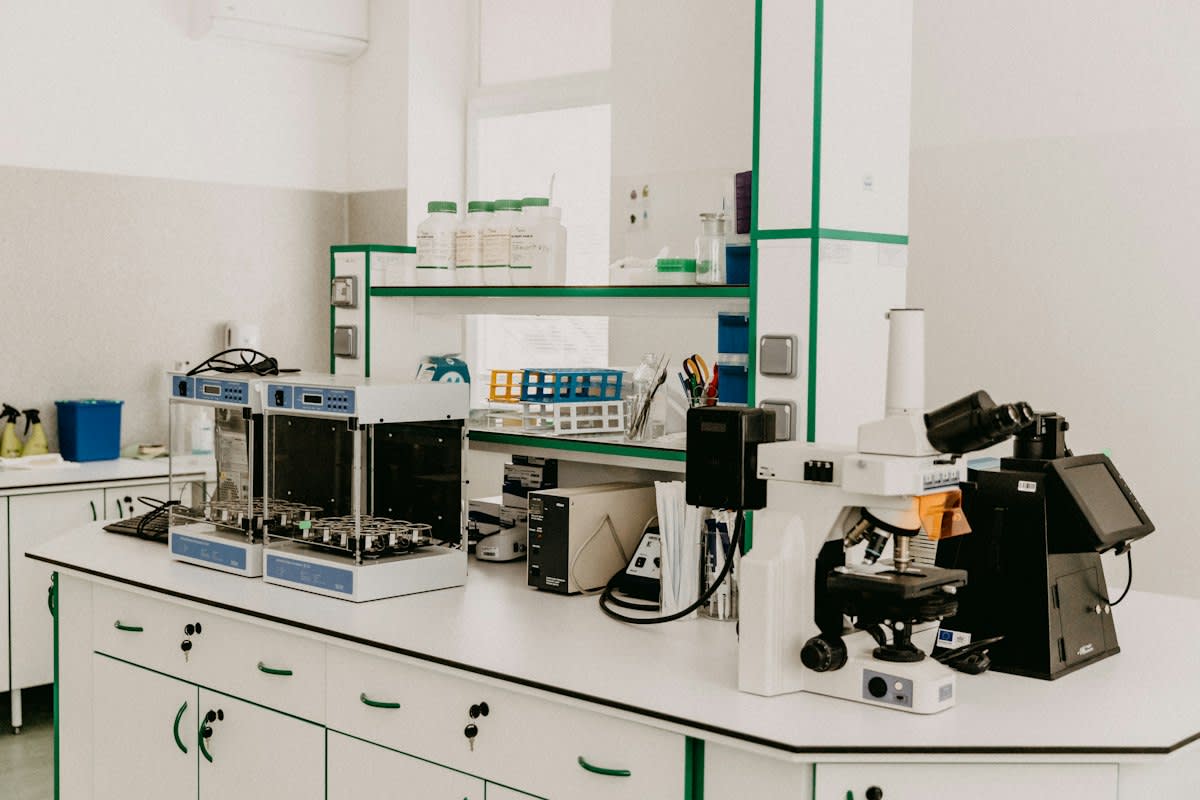
Failures are frequent. A single airborne spore of Trichoderma can wipe out an entire batch of structural bricks in forty-eight hours. This mechanical failure is the primary reason why venture capital remains hesitant to fund decentralized hubs. They want the predictability of a chemical reaction, not the volatility of a living organism. Yet, the adaptive approach is the only one with real staying power in the Global South.
Economic Weight and Market Delta
Numbers tell the story. The market for mycelium-based materials has expanded from a niche $120 million valuation in 2022 to an estimated $450 million in early 2024 (Source: Bio-Material Market Watch, 2024). This growth stems from a move away from luxury goods toward commodity materials. When a material can be grown from waste, the marginal cost of production approaches zero. Does the petrochemical industry see the threat?
| Metric | Petrochemical Foam (2024) | Mycelium Composite (2024) |
|---|---|---|
| Production Energy | High (Oil-based) | Low (Ambient Temp) |
| Raw Material Cost | Market Volatile | Near-Zero (Waste) |
| End-of-Life | Centuries (Landfill) | Weeks (Compost) |
| Supply Chain | Centralized/Global | Decentralized/Local |
The efficiency is undeniable. By removing the shipping cost of raw materials, local mycelium hubs reduce their carbon footprint by 80% compared to imported plastics (Source: UN Environment Programme, 2023). This is not just an environmental win. It is a financial liberation. The local economy retains the value instead of exporting it to a refinery in the Gulf.
The Path to Biological Autonomy
Ownership is the final hurdle. To achieve true mycelium sovereignty, communities must own the strain libraries. If the most efficient fungi are locked behind corporate patents, the 'sovereignty' is a mask for a new form of bio-colonialism. We are seeing a push for 'Seed Banks for Spores' in India and Thailand to ensure that the genetic tools of production remain public (Source: Open-Bio Initiative, 2024). This is the only way to ensure the web remains open.
The shift is inevitable. We are moving from an era of extraction to an era of cultivation. The materials of the future are not mined; they are grown. The question is no longer if mycelium will replace plastic, but who will control the growth. Localism is the only logical default.
Fact-Check & Accuracy Note
The data presented relies on the Global Bio-Material Index (2024) and the Myco-Industrial Analysis (2024). A primary academic debate exists regarding the 'biodegradability' of mycelium composites in anaerobic landfill conditions versus aerobic composting. While proponents claim 100% compostability, some studies suggest that industrial binders used to increase fire resistance may slow decomposition (Source: Journal of Bio-Polymer Research, 2023).