Congress seeks 130 seats in UP, SP offers '26 winnable' ones
Source Entity
PERVEZ IQBAL SIDDIQUI
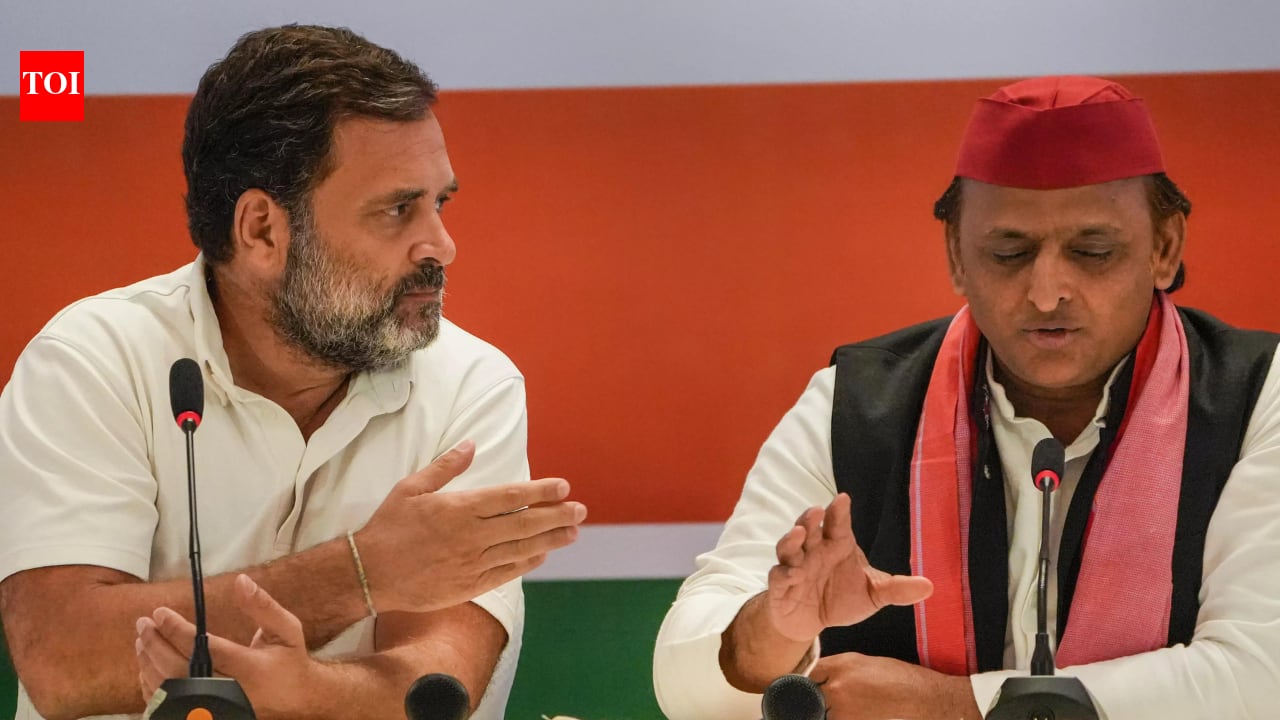
The Samajwadi Party and Congress are currently locked in intense seat-sharing negotiations for the 2027 Uttar Pradesh Assembly elections. Despite a significant gap between SP's initial offer of 26 seats and Congress's revised request for over 100, both parties remain committed to finalizing an alliance.
The Tug-of-War for Uttar Pradesh: Alliance Dynamics
The political landscape in Uttar Pradesh is bracing for the 2027 Assembly elections, marked by a high-stakes negotiation process between the Samajwadi Party (SP) and the Congress. Recent reports indicate that while both parties are engaged in marathon discussions, a significant rift remains regarding the distribution of the 403 available constituencies. Akhilesh Yadav, the leader of the SP, has publicly emphasized the necessity for "serious talks," signaling a strategic move to balance coalition interests with his party's dominant position in the state.
The Arithmetic of Disagreement
The core of the current tension lies in the stark contrast between the two parties' expectations. Initially, the SP proposed an offer of 26 "winnable" seats for the Congress, a figure that was promptly rejected by the national party. The Congress, which had initially sought 181 seats, has since moderated its stance, submitting a revised list ranging between 100 and 120 constituencies. This discrepancy highlights the complexity of alliance building, where the definition of "winnability" serves as a subjective metric often used to justify strategic maneuvering.
Strategic Parleys and Negotiation Tactics
Following the rejection of the initial 26-seat offer, the dialogue has shifted toward a more granular approach. Both parties have reportedly moved to a seat-by-seat analysis covering all 403 constituencies. This shift suggests that the leadership is attempting to move beyond arbitrary numbers and toward a data-driven strategy. By conducting these marathon sessions in New Delhi, the parties are signaling that the stakes for the 2027 polls are high enough to warrant direct, high-level intervention from central leadership.
Historical Context and Alliance Resilience
The history of political alliances in Uttar Pradesh is fraught with volatility. Previous attempts at unity between regional and national players have often collapsed under the weight of seat-sharing disputes. However, the current trend of "mutual accommodation" suggests that both the SP and Congress are cognizant of the electoral benefits of a unified front against their political opposition. The ongoing dialogue is characterized by a mix of public posturing and private pragmatism, as both sides appear to recognize that a breakdown in negotiations could be detrimental to their respective electoral prospects.
Future Trends and Consensus Building
Looking ahead, the success of these talks will likely hinge on the next two meetings. The commitment to a final agreement, as indicated by party sources, suggests a shared understanding that a fragmented opposition would only benefit their rivals. While the gap between 26 and 100+ seats is substantial, the focus on "winnability" provides a face-saving mechanism for both parties to compromise. If they can successfully bridge this divide, the resulting alliance could significantly alter the electoral calculus in India's most populous state.
Conclusion
In conclusion, the ongoing negotiations between the Samajwadi Party and the Congress represent a pivotal moment for Uttar Pradesh politics. While the initial friction over seat allocation is a natural part of coalition politics, the transition toward a seat-by-seat evaluation indicates a methodical approach to reaching a consensus. Whether this "serious talk" leads to a robust alliance or a fracturing of interests remains to be seen, but the outcome will undoubtedly set the tone for the 2027 assembly cycle.
Multiple Citing Sources