US preparing to unveil new tariffs on global trading partners
Source Entity
BBC News
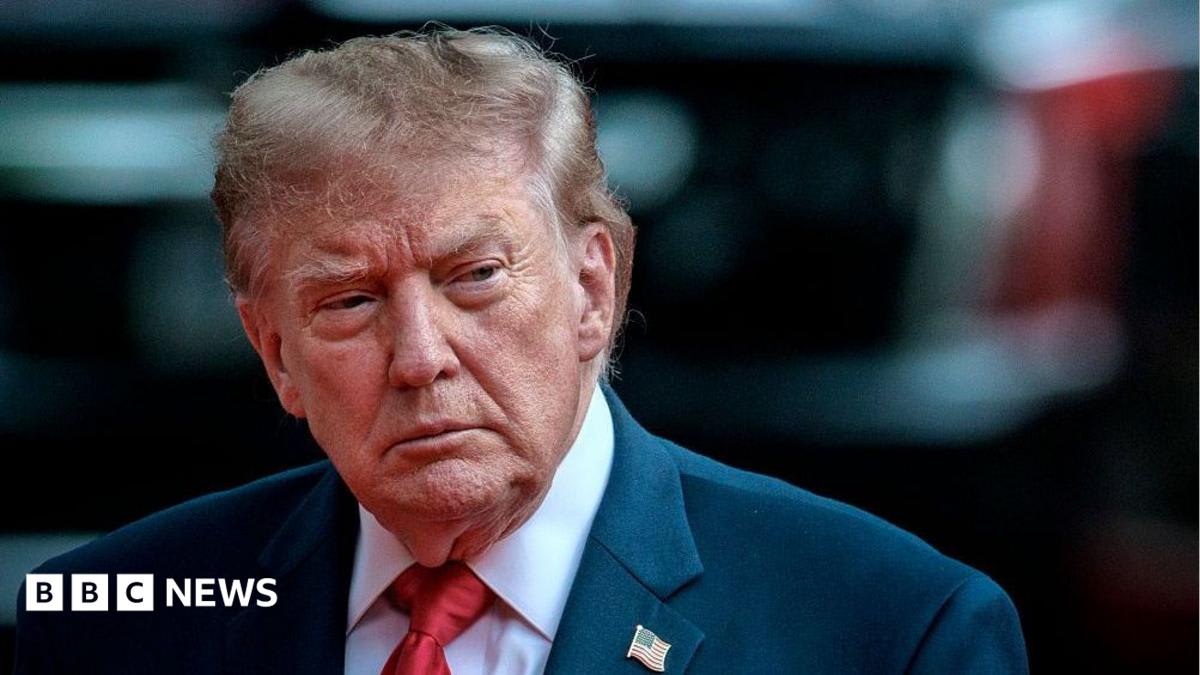
The Trump administration is preparing new Section 301 tariffs on 16 major trading partners, including India, China, and the EU, to combat alleged excess industrial capacity. This move follows the Supreme Court's earlier rejection of previous trade levies and signals a continued aggressive protectionist economic strategy.
The Resurgence of Protectionist Trade Policy
The Trump administration is reportedly finalizing a new wave of import tariffs targeting 16 major global trading partners, including India, China, the European Union, Mexico, and Japan. This strategic shift follows a formal investigation under Section 301 of the Trade Act of 1974, which aims to address concerns regarding alleged excess industrial capacity in these nations. By leveraging this legal framework, the White House is seeking to recalibrate its trade relationships and protect domestic manufacturing interests through targeted fiscal intervention.
Legal Context and the 'Section 301' Framework
This latest development occurs in the shadow of a significant legal setback. Earlier this year, the U.S. Supreme Court ruled that President Trump’s previous 'Liberation Day' tariffs were illegal, effectively striking down the administration's earlier attempt to reshape global trade. The current Section 301 investigation represents a calculated pivot to bypass these previous judicial hurdles. By framing the new duties as a direct response to industrial overcapacity, the administration is attempting to build a more resilient legal justification for its protectionist agenda.
Economic Implications for Global Markets
For major economies like India and the EU, these impending tariffs create a climate of profound uncertainty. The administration’s stated goal—to bolster American manufacturing and stimulate job creation—often stands in direct opposition to the interests of international partners who rely on export-driven growth. As these duties are expected to stack on top of existing levies already imposed during the current term, the cumulative impact on global supply chains could be significant, potentially disrupting established trade flows and increasing the cost of imported goods.
The Consumer Price Conundrum
Beyond the geopolitical friction, these policies carry domestic risks. Reports indicate that the administration's previous tariff regimes have already contributed to elevated prices for consumer goods within the United States. If the new duties are implemented as planned, economists warn that the inflationary pressure on households may intensify. Balancing the desire for industrial protection with the realities of consumer purchasing power remains one of the most difficult challenges facing the administration's economic team.
Future Trends and Strategic Outlook
Looking ahead, the imposition of these tariffs suggests that trade friction will remain a defining feature of the current U.S. political landscape. The administration’s focus on 'excess industrial capacity' provides a broad mandate for future interventions, suggesting that the list of 16 affected jurisdictions could potentially expand if trade balances do not shift in favor of U.S. manufacturers. As the findings of the investigation are finalized, the international community will be watching closely to see how trading partners respond—either through retaliatory measures or diplomatic negotiations aimed at de-escalating the growing economic tensions.
Multiple Citing Sources