How farm laws broke the SAD-BJP alliance, and what brought it back
Source Entity
Latest News: Todays Latest News Headlines from India & World | Hindustan Times
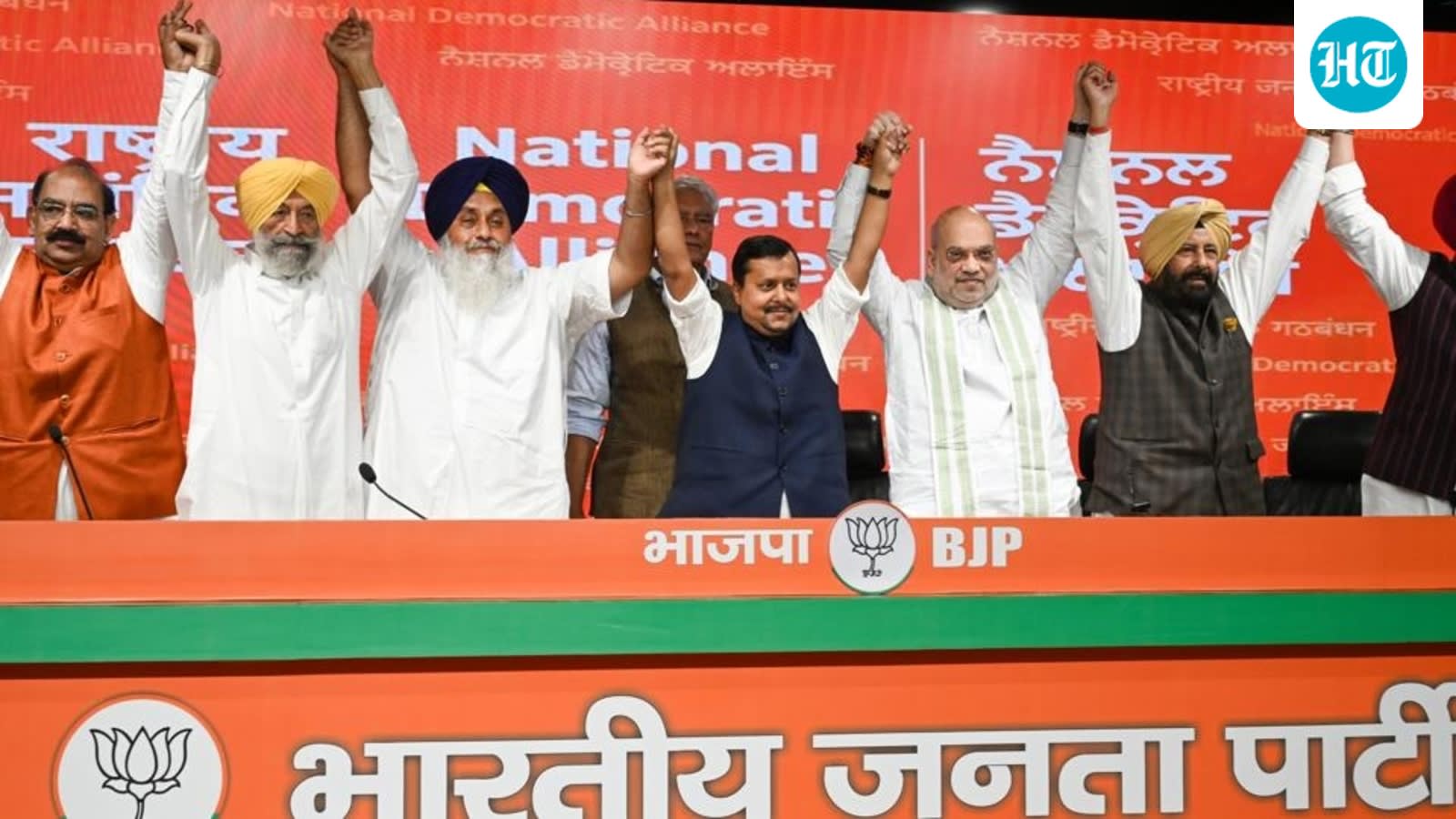
The SAD and BJP have reunited to contest the 2027 Punjab assembly elections, ending a rift caused by the 2020 farm laws. This strategic alliance aims to challenge the Aam Aadmi Party and Congress by consolidating their traditional voter bases.
The Strategic Realignment of Punjab Politics
The political landscape of Punjab is undergoing a significant transformation as the Shiromani Akali Dal (SAD) and the Bharatiya Janata Party (BJP) have officially announced their reunification for the upcoming 2027 assembly elections. This partnership, which ended in 2020 following intense disagreements over the now-repealed farm laws, marks the return of a historic coalition that spanned nearly 24 years. The announcement, made by Union Home Minister Amit Shah and SAD President Sukhbir Singh Badal on the auspicious occasion of Guru Nanak Jayanti, signals a concerted effort by both parties to reclaim their relevance after suffering significant electoral setbacks.
A History of Cooperation and Conflict
For nearly three decades, the SAD-BJP alliance was a staple of Punjab politics, centered on the ideology of “Punjab, Punjabi and Punjabiyat.” Between 1997 and 2017, the duo contested five assembly elections together, securing victory in three of them. However, the 2022 assembly polls, which they contested separately, proved disastrous for both, as they were relegated to the margins while the Aam Aadmi Party (AAP) achieved a historic sweep. This shared electoral trauma served as the primary catalyst for the current reconciliation, as both parties recognized that their individual vulnerability necessitated a return to their traditional partnership.
Defining the Terms of Engagement
Under the terms of this new agreement, the BJP has ceded the status of "big brother" to the SAD, granting the latter the authority to choose the Chief Ministerial candidate. This symbolic and strategic concession is aimed at smoothing over past grievances and presenting a unified front. By formalizing this alliance, the two parties have effectively transformed the 2027 race into a more competitive four-cornered fight, challenging the dominance of the AAP and the Congress by consolidating their respective vote banks.
The Opposition’s Perspective
Predictably, the Indian National Congress has reacted to the reunion with a mix of skepticism and strategic optimism. Following the first meeting of the Congress’ Punjab Election Committee, leaders expressed the belief that the alliance is a sign of weakness rather than strength, characterizing it as a marriage of convenience born from political decline. The Congress leadership anticipates that the return of the SAD-BJP bloc may actually work to their advantage by shifting the dynamics of the opposition space and potentially creating an anti-incumbency narrative that favors the grand old party.
Future Implications and Electoral Outlook
As the state prepares for the 2027 elections, the success of this alliance will depend on whether they can successfully navigate the legacy of the farm laws that once tore them apart. While the reunification makes them serious contenders once again, the political environment remains volatile. The consolidation of rural and urban votes will be the decisive factor, with both parties banking on their combined organizational strength to overcome the momentum of the ruling Aam Aadmi Party and the entrenched presence of the Congress. The 2027 election will ultimately serve as a litmus test for whether a revived historical alliance can still resonate with a modern, shifting Punjab electorate.
Multiple Citing Sources
Verification Required?