AIDSO opposes move to introduce skill-based education from class 6 in government schools in Karnataka
Source Entity
India Latest News: Top National Headlines Today & Breaking News | The Hindu
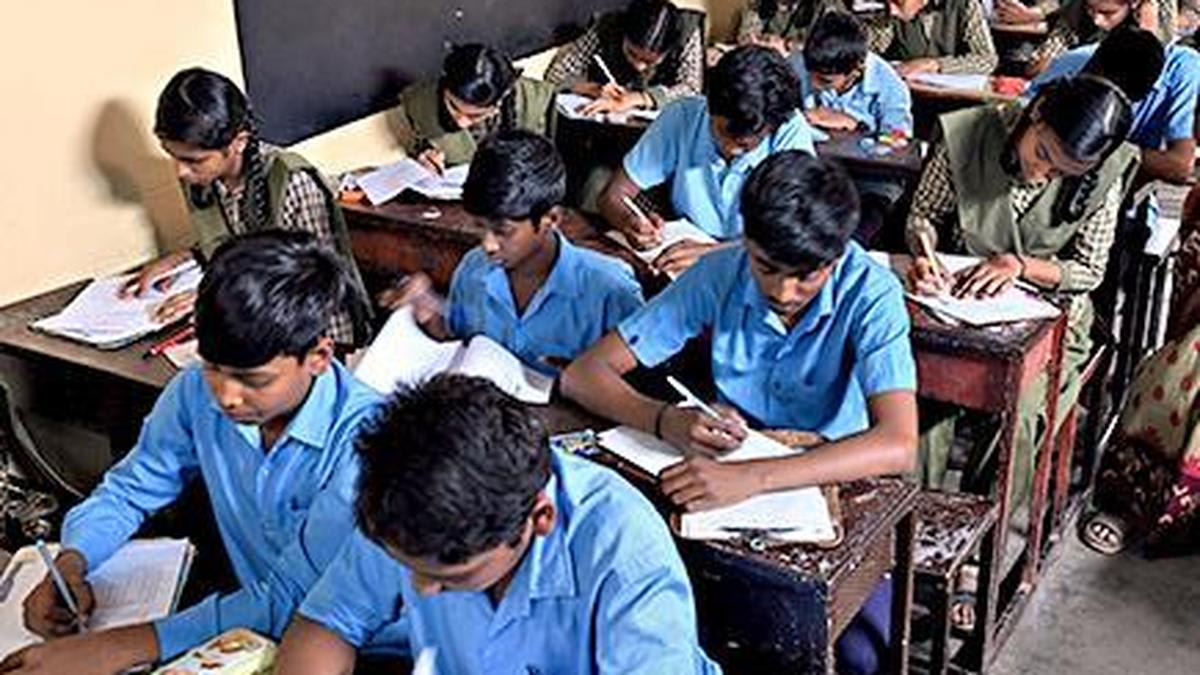
The All India Democratic Students’ Organisation (AIDSO) has criticized the Karnataka government’s plan to introduce vocational training starting in class 6. The group fears this policy will disadvantage poor students and effectively channel them into low-wage labor rather than academic success.
The Controversy Over Early Vocational Training in Karnataka
The Karnataka State Committee of the All India Democratic Students’ Organisation (AIDSO) has formally voiced its opposition to the state government's recent proposal to integrate skill-based education into the curriculum for students as young as class 6. This initiative aims to introduce practical training in fields such as electrical work, plumbing, beauty and wellness, agriculture, and horticulture. While the government frames this as a proactive measure to enhance employability, AIDSO views the policy as a regressive step that undermines the educational prospects of marginalized communities.
The Argument Against Early Vocationalization
AIDSO’s primary contention is that the policy adopts an unscientific approach to childhood development. By introducing vocational tracks at the middle-school level, the organization argues that the state is effectively signaling to students from economically weaker sections that their future lies in manual labor rather than higher intellectual or professional pursuits. This, they claim, creates a systemic barrier that discourages students from pursuing mainstream academic pathways, effectively sidelining them before they have had the chance to develop foundational knowledge.
Addressing the Dropout Crisis
The government’s rationale for this shift appears to be rooted in data suggesting that nearly 40% of students exit the formal education system at the SSLC (Secondary School Leaving Certificate) or pre-university levels. The state posits that these students often remain unemployed due to a lack of marketable technical skills. However, AIDSO challenges this perspective, asserting that the dropout rate is a symptom of socioeconomic inequality and a lack of institutional support, rather than a failure of the curriculum to provide vocational training.
Socioeconomic Implications
A critical concern raised by AIDSO is the potential for this policy to institutionalize the creation of a 'cheap labor' class. Critics argue that instead of addressing the underlying reasons why children from impoverished backgrounds struggle to stay in school—such as the need for financial aid, better infrastructure, and academic mentorship—the state is opting for a shortcut. By focusing on manual trades at a young age, the organization fears the government is essentially preparing poor children for low-wage jobs, thereby perpetuating cycles of poverty rather than enabling social mobility.
Future Trends and Educational Equity
This debate highlights a broader tension in modern educational policy between theoretical academic learning and practical skill acquisition. While vocational training is globally recognized as essential, the timing and implementation are key to ensuring equity. If the Karnataka government proceeds, the success of this program will likely be measured by whether it supplements or replaces traditional academic rigor. For advocates of social justice, the goal must remain the provision of a supportive environment that allows all children, regardless of socioeconomic status, to choose their career paths based on potential rather than forced early-career tracking.
Verification Required?