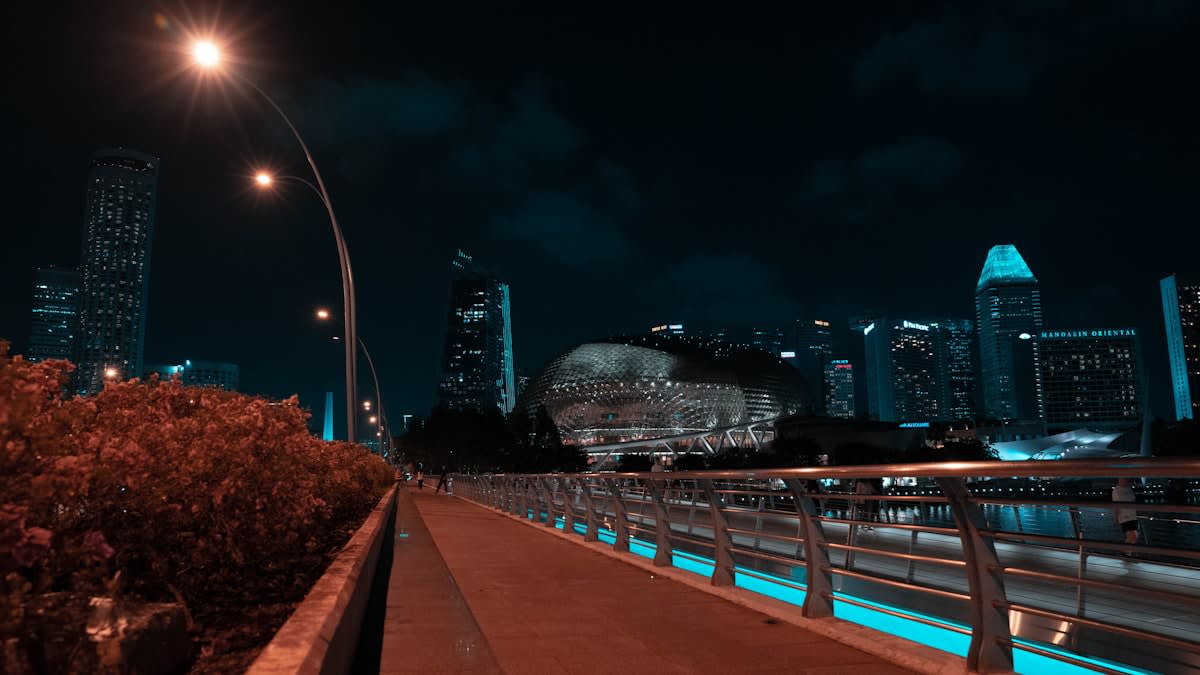
Every skyscraper in a modern metropolis is effectively a heat engine fighting a losing battle against the outdoors. For decades, the solution was simple: install a massive chiller on the roof and pray the electrical grid could handle the peak summer load. This decentralized approach created a chaotic thermal environment where thousands of individual units dumped heat into the same narrow street canyons, effectively warming the city to cool the room. Why did we accept this inefficiency for so long? The answer lies in the ownership of the asset, where building owners preferred the control of their own hardware over the efficiency of a shared system.
A quiet migration is now occurring beneath the streets of Singapore, Dubai, and Stockholm. Cities are stripping the cooling and heating machinery out of individual buildings and moving it to centralized plants operated by third-party specialists. This is not merely a change in plumbing; it is a fundamental reorganization of urban energy. By treating temperature as a utility—similar to water or electricity—municipalities are outsourcing the risk, the maintenance, and the massive capital expenditure required to keep a city habitable. The result is a transition from owning hardware to purchasing a thermal service.
The CAPEX Trap and the Service Model
Traditional HVAC installation is a capital-intensive nightmare that consumes precious real estate. A large-scale commercial chiller takes up significant square footage on rooftops or in basements—space that could otherwise be used for luxury penthouses or revenue-generating retail. When a city outsources this to a District Cooling System (DCS), the building owner eliminates the need for heavy machinery entirely. They replace a million-dollar chiller with a heat exchanger, a device that simply transfers the cold from the city's underground pipes into the building's internal loop. This shifts the financial burden from a massive upfront capital expenditure (CAPEX) to a predictable operational expense (OPEX).
| Metric | Decentralized HVAC | Outsourced District Cooling |
|---|---|---|
| Upfront Capital Cost | High (Owner funded) | Low (Provider funded) |
| Energy Efficiency | Baseline (100%) | 30-40% Improvement |
| Space Requirement | Significant (Plant rooms) | Minimal (Heat exchangers) |
| Maintenance Risk | Building Owner | Service Provider |
| Grid Impact | High Peak Spikes | Smoothed Load Profile |
Looking at the data, the incentive for the private developer is immediate and overwhelming. By removing the chiller, the developer reduces the initial build cost and increases the sellable area of the property. The service provider, often a specialized energy firm, takes on the risk of the infrastructure, betting that the long-term service contracts will yield a steady return. This creates a symbiotic relationship where the city gets a more efficient grid, the developer gets more space, and the provider gets a guaranteed revenue stream. Is it a gamble for the provider? Perhaps, but the scale of urban density makes the bet almost a mathematical certainty.
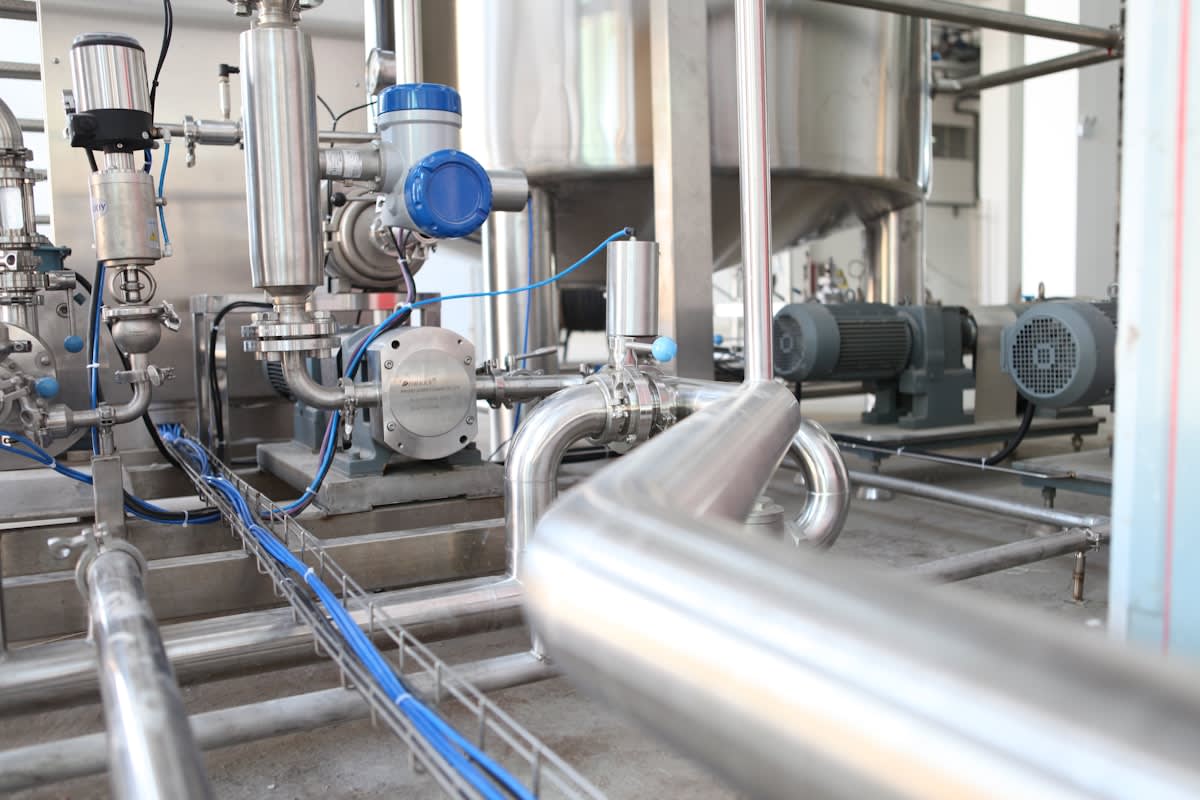
This financial restructuring allows for the deployment of technologies that would be too expensive for a single building owner to justify. For instance, a district plant can utilize deep-sea water cooling or large-scale thermal energy storage tanks that freeze water at night when electricity is cheap. A single office tower cannot afford a 10-million-gallon ice storage tank in its basement, but a city-wide provider can. This economy of scale turns temperature control into a game of optimization rather than a game of survival.
The shift is becoming an invisible prerequisite for new urban developments across the Gulf States and Southeast Asia. In these regions, the heat is not a seasonal nuisance but a permanent operational threat. When you move the cooling source five kilometers away from the heat-generating glass towers, you stop the feedback loop of urban heat islands. You stop fighting the fire with gasoline.
Stabilizing the Fragile Grid
Electrical grids are designed for averages, but they fail at the peaks. On the hottest Tuesday of July, when every individual AC unit in a city kicks in simultaneously, the grid faces a catastrophic surge. This peak load is what forces utilities to keep inefficient 'peaker plants' on standby, which are often the dirtiest fossil fuel plants in the fleet. Outsourcing temperature control allows the city to flatten this curve. A centralized provider can modulate the temperature of the water in the pipes, using the thermal inertia of the system to buffer the grid's stress.
"We are moving from a world of reactive cooling to a world of thermal management. The goal is no longer just to lower the temperature, but to manage the energy flow across an entire zip code."— Marcus Thorne, Urban Infrastructure Analyst
In Stockholm, this logic is applied to heating. The city utilizes waste heat from data centers and supermarkets to warm homes. By outsourcing the heating infrastructure to a centralized entity, the city can integrate these disparate heat sources into a single network. Why let the heat from a server farm vanish into the atmosphere when it can be piped into a residential apartment complex? This is the essence of the systemic shift: turning a waste product into a commodity.
The efficiency gains are not marginal. District systems typically reduce energy consumption by 30% to 40% compared to individual units. This reduction is driven by the ability to use larger, more efficient centrifugal chillers and the elimination of the energy losses associated with thousands of smaller, poorly maintained machines. When a professional provider manages the system, the incentive is to maximize efficiency to increase their own profit margin. The goals of the environment and the goals of the balance sheet finally align.
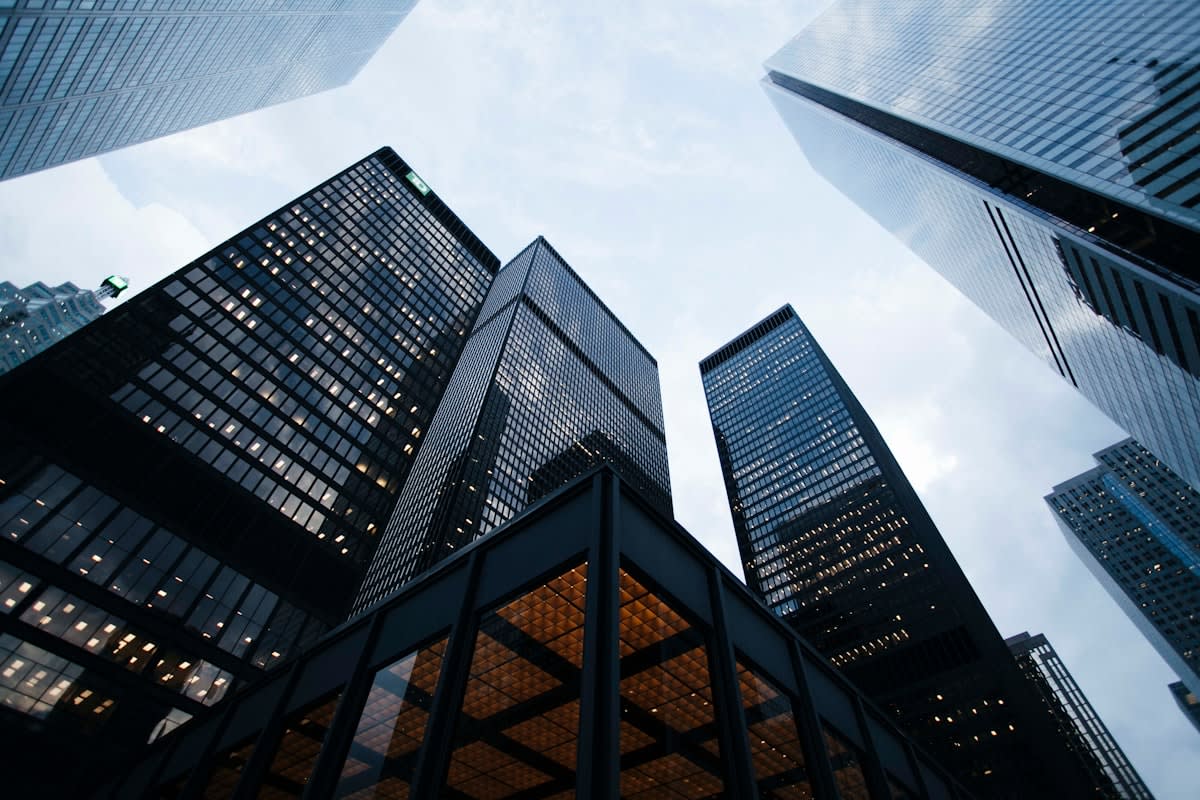
However, this outsourcing introduces a new form of vulnerability: the monopoly of comfort. When a city relies on a single provider for its temperature control, that provider gains immense leverage over the urban environment. If the centralized plant fails, an entire district loses its ability to cool or heat, rather than just a few buildings. This creates a critical dependency that requires stringent municipal oversight and redundant system architectures to prevent a single point of failure from becoming a humanitarian event.
The Thermal Inertia Advantage
One of the most overlooked benefits of outsourcing is the ability to treat water as a battery. Thermal energy storage (TES) allows providers to produce chilled water during the night when electricity is cheapest and demand is lowest. This water is stored in massive insulated tanks and then pumped through the city during the day. This effectively decouples the production of cooling from the consumption of cooling, allowing the city to avoid the expensive and polluting peak-hour energy spikes.
The Efficiency Gap
Thermal energy storage can reduce peak electrical demand by up to 15%, allowing cities to delay expensive upgrades to their electrical substations.
In Canada, some districts are experimenting with 'ambient loops.' Instead of providing just heating or just cooling, these loops provide water at a moderate temperature. Buildings then use small heat pumps to either heat or cool that water based on their specific needs. This allows a building that needs cooling (like a data center) to essentially 'sell' its heat to a neighboring building that needs warming. The outsourcing provider acts as the broker for this thermal exchange, optimizing the energy flow in real-time.
This level of coordination is impossible in a decentralized model. An individual building owner has no incentive to share their waste heat with a neighbor. Only a third-party operator, whose profit depends on the overall efficiency of the network, has the motivation to orchestrate these exchanges. The provider becomes a thermal conductor, directing energy to where it is most valued and removing it from where it is a liability.
As we look toward the next decade, the integration of these systems with renewable energy will be the final piece of the puzzle. Solar and wind are intermittent, but thermal storage is stable. By outsourcing temperature control, cities can use their thermal grids as a massive shock absorber for the renewable energy transition, soaking up excess solar power during the day to create ice that will cool the city at night.
The transition is inevitable because the alternative is an unsustainable escalation of energy costs and grid failures. We are witnessing the end of the era of the standalone air conditioner. The future of urban living is not found in a better thermostat, but in a more intelligent, outsourced network that treats the city as a single, breathing thermal organism.