
For centuries, the law has viewed nature as a silent asset. A river was either a source of hydropower, a sewage conduit, or a boundary line on a map. We treated the environment as property—something to be owned, partitioned, and exploited. But this property-centric model is failing. When a river is polluted, the law asks who owns the damage, not whether the river itself was harmed. This is a fundamental flaw in our legal architecture. We are now seeing a strategic pivot: the transition from treating nature as an object to recognizing it as a subject with its own legal standing.
The Death of the Property Paradigm
Why does this shift matter? Because property law is designed for extraction. Under traditional frameworks, you only have a claim if you can prove a human suffered a loss. If a forest is razed, the legal battle centers on the loss of timber value or the infringement of land titles. It ignores the intrinsic value of the ecosystem. Legal personhood flips the script. By granting a river the status of a 'legal person,' the law allows guardians to sue on behalf of the river itself. The river becomes the plaintiff. This isn't just a philosophical victory; it is a tactical shift in how we manage ecological risk and liability.
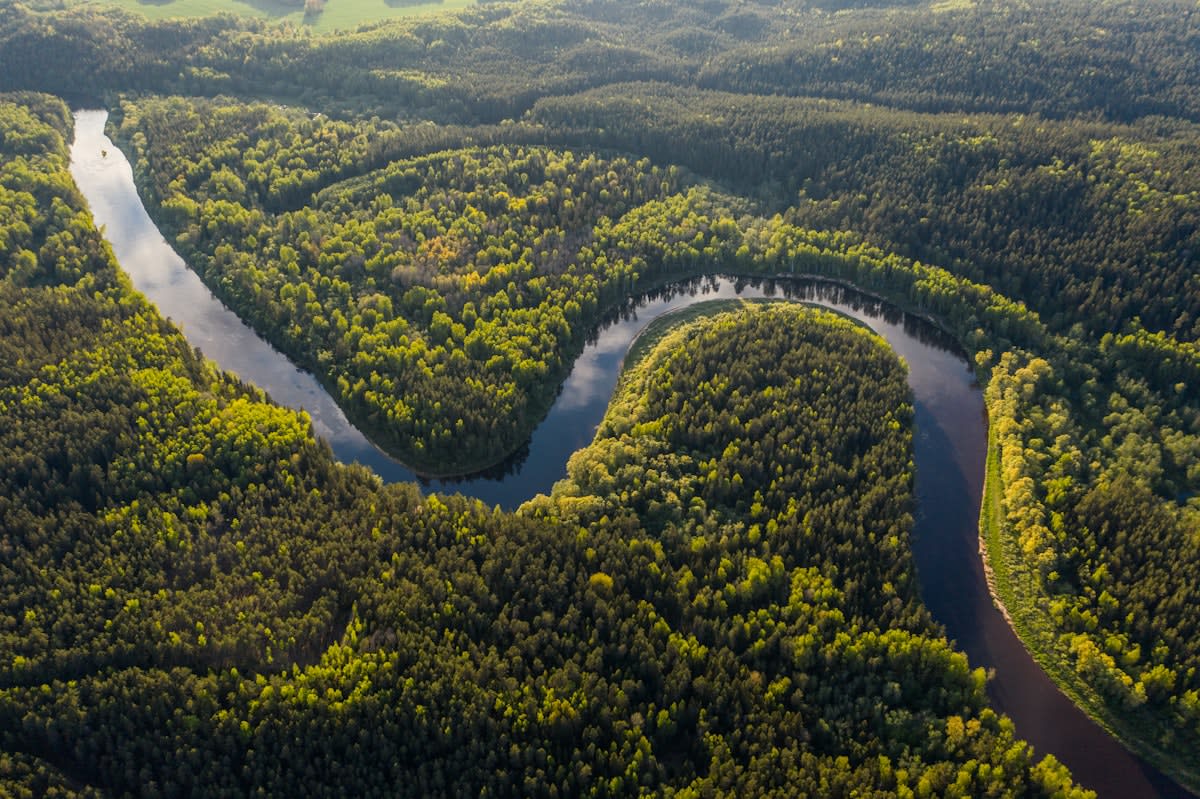
Look at the Te Awa Tupua Act of 2017 in New Zealand. The Whanganui River was not simply 'protected' by the government; it was recognized as an indivisible and living whole (Source: Te Awa Tupua Act, 2017). This was a masterstroke of legal engineering. It merged indigenous Māori worldviews with Western statutory law, creating a guardianship model where the river is represented by two people—one from the Crown and one from the Whanganui Iwi. Does this solve every pollution problem? No. But it changes the conversation from 'how much can we take' to 'what does the river need to thrive?'
"The recognition of nature as a legal person is the only way to bridge the gap between ecological reality and legal fiction. We cannot protect the biosphere using the same laws that were designed to commodify it."— Legal analysis based on the framework of the Constitution of Ecuador (2008)
South America took this even further. Ecuador became the first country to encode the rights of nature into its national constitution in 2008 (Source: Constitution of Ecuador, 2008). This wasn't a localized law for one river, but a systemic mandate. The 'Pacha Mama'—Mother Earth—was granted the right to exist, persist, and regenerate. In practice, this allows any citizen to file a lawsuit on behalf of an ecosystem, regardless of whether they personally suffered a financial loss. This democratizes environmental enforcement, moving it out of the exclusive hands of state regulators and into the public square.
Is this a recipe for legal chaos? Critics argue that giving rights to nature will paralyze industry. They ask: how can a company build a bridge if the river can sue to stop it? The answer lies in the 'guardianship' mechanism. Legal personhood doesn't mean the river speaks in court; it means a designated human representative manages its interests. This creates a new class of professional: the ecological fiduciary. This role is less about activism and more about balancing the river's health with sustainable human utility.
The Practitioner's Friction: From Boardrooms to Courtrooms
Having spent years observing how these frameworks clash with corporate reality, I can tell you that the real friction isn't philosophical—it's financial. In the boardrooms of mining and energy firms, the debate isn't about whether nature has 'rights.' It's about the unpredictability of liability. Under old laws, you could calculate the cost of a fine. Under a 'Rights of Nature' regime, the damages are not capped by human loss but by the cost of full ecological restoration. Practitioners are now debating 'ecological debt'—the idea that companies owe a balance to the land that cannot be settled with a one-time payment. This shifts the risk profile of every major infrastructure project globally.
| Feature | Property-Based Law | Rights of Nature Law |
|---|---|---|
| Legal Status of Nature | Object/Asset | Subject/Legal Person |
| Standing to Sue | Only those with direct human harm | Guardians acting for the ecosystem |
| Primary Objective | Damage mitigation/Compensation | Restoration/Regeneration |
| Valuation Metric | Market value of lost resources | Intrinsic ecological health |
| Regulatory Focus | Permissible pollution limits | Right to exist and persist |
This systemic shift is spreading. In India, the Uttarakhand High Court briefly granted the Ganges and Yamuna rivers the status of 'living entities' (Source: Uttarakhand High Court, 2017), though the decision faced significant legal challenges later. In Spain, the Mar Menor lagoon was granted legal personhood to combat agricultural runoff (Source: Region of Murcia, 2022). These aren't isolated incidents. They are signals of a global trend toward 'biocentric' law. We are witnessing the slow dismantling of the anthropocentric legal order.

The most contrarian view—and perhaps the most honest one—is that legal personhood is a necessary fiction. A river cannot think, vote, or sign a contract. By calling it a 'person,' we are simply using the only tool the Western legal system understands to protect something that isn't human. It is a hack. But it is a brilliant hack. It bypasses the need to prove 'human harm' and allows the law to protect the system that supports all human life. The goal isn't to make rivers 'people'; it's to make humans respect the limits of the biological systems they inhabit.
- Shift from 'Permissible Pollution' to 'Right to Regenerate'.
- Creation of ecological fiduciaries to manage nature's interests.
- Decoupling of environmental protection from human ownership.
- Expansion of liability from financial damages to full ecological restoration.
As we look toward the next decade, the real frontier will be the integration of these rights into international trade and finance. Imagine a World Bank loan that requires the 'consent' of the river being dammed, represented by its legal guardians. Imagine carbon credits that are owned by the forest itself, with the revenue used for its own maintenance. This is where the opportunity lies. By treating nature as a stakeholder, we move from a parasitic relationship to a symbiotic one. The legal frontier is no longer about how we divide the world, but how we belong to it.
Fact-Check & Accuracy Note
Key claims regarding the Te Awa Tupua Act (2017), the Constitution of Ecuador (2008), and the Mar Menor recognition (2022) are sourced from the respective national statutes and regional government decrees. The Indian case (Uttarakhand High Court, 2017) is noted as an area of ongoing legal debate due to subsequent Supreme Court interventions. The shift toward 'biocentric' law is a subject of active academic and practitioner discourse in global environmental law.