
Do we actually believe that the cost of desalination is an immovable wall? For decades, the industry treated the energy requirements of pushing salt through a polymer as a fixed tax on survival. It is a fallacy. The reality is that cost reduction does not come from a single miracle membrane but from the aggressive optimization of the entire water transmission system and the pre-treatment stages that protect those membranes. When you stop viewing the membrane as a standalone filter and start seeing it as the final step in a complex mechanical chain, the numbers begin to move.
Prerequisites for Membrane Deployment
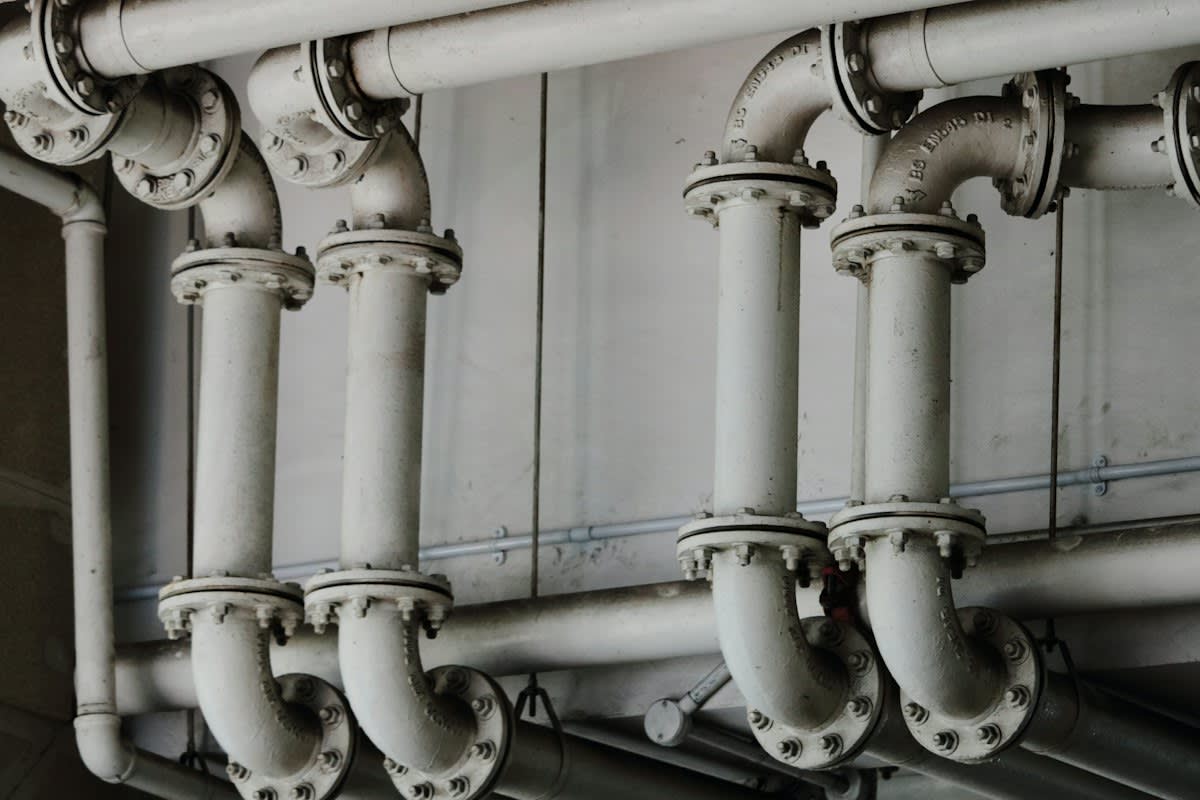
Before you specify a single membrane, you must establish your baseline using a Water Cost index. This is not a simple procurement price. As defined by the Saudi Water Authority, the Water Cost index represents the total cost per cubic meter of water across the entire lifecycle (Source: SWA, 2026). If you ignore the costs of the water transmission system—the integrated network that moves water from the source to the consumption area—your efficiency gains at the membrane level will be swallowed by distribution losses.
You also need a clear definition of System Availability. This is the condition in which your systems are either operational or on standby, allowing for immediate utilization (Source: SWA, 2026). High efficiency is useless if your plant is offline. A practitioner knows that the cheapest membrane is often the most expensive if it requires frequent cleaning or has a brittle failure rate that tanks your availability metrics.
The Implementation Playbook
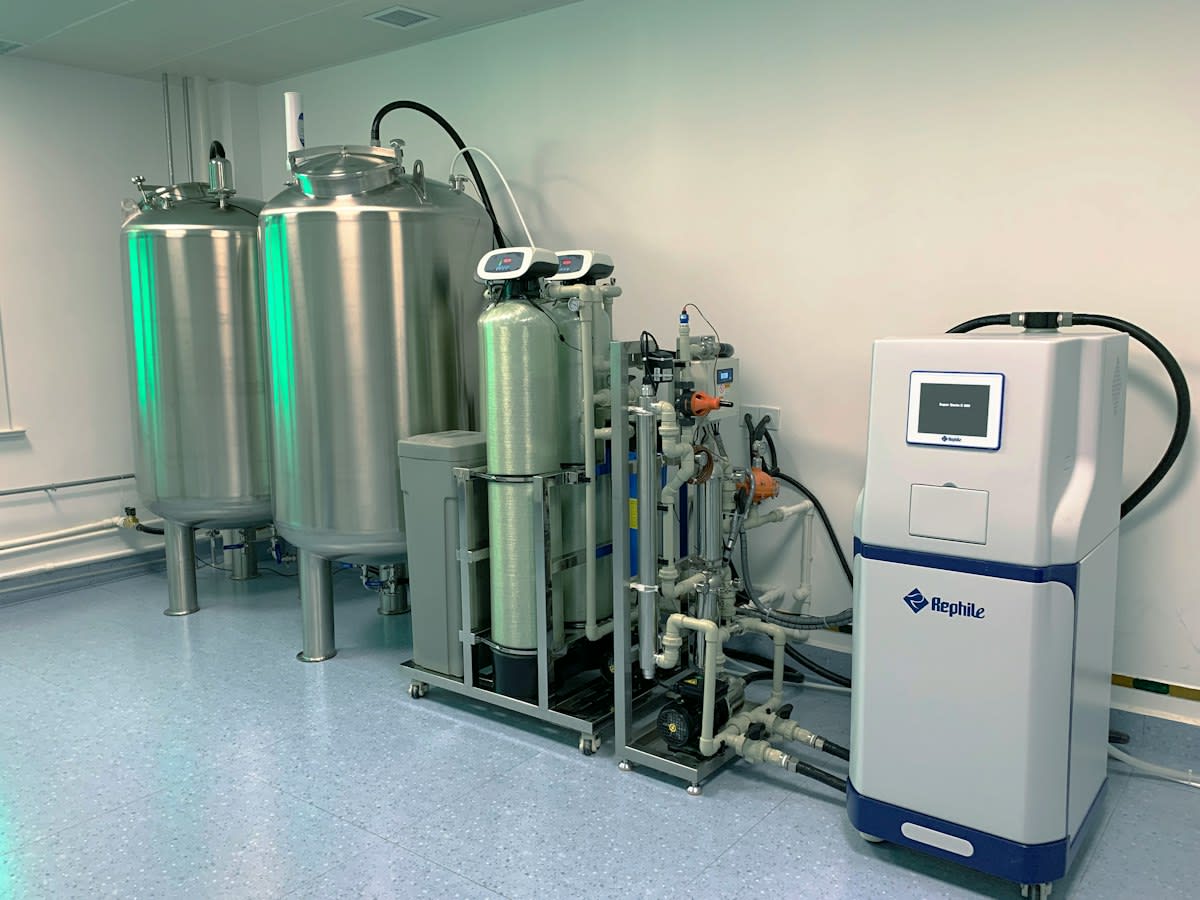
Cutting costs requires a tiered approach to filtration. You cannot throw raw seawater at a reverse osmosis membrane and expect it to survive. The goal is to remove the weight of the pollutants before they ever touch the expensive high-pressure stage. This is where the distinction between Microfiltration (MF) and Ultrafiltration (UF) becomes critical for your budget.
- Establish a Water Cost index to track total expenditure per cubic meter (Source: SWA, 2026).
- Deploy Microfiltration (MF) to remove larger suspended solids and protect downstream assets.
- Integrate Ultrafiltration (UF) systems to remove very small particles using specialized membranes, ensuring the SWRO stage receives high-purity feed water (Source: SWA, 2026).
- Calibrate the Seawater Reverse Osmosis (SWRO) pressure to the minimum required for the target salinity, reducing energy consumption.
- Audit the Water Transmission System to ensure that the cost of moving the water does not exceed the cost of producing it (Source: SWA, 2026).
Why focus so heavily on UF? Because the most expensive failure in a desalination plant is membrane fouling. When organic or chemical waste penetrates the pre-treatment, the cost to restore the system spikes. By utilizing UF to remove the smallest particles, you extend the life of the SWRO membranes and lower the overall cost per cubic meter. It is a simple trade-off: spend more on the front end to avoid a total mechanical failure on the back end.
| Filtration Stage | Primary Target | Impact on Water Cost |
|---|---|---|
| Microfiltration (MF) | Large particles/solids | Prevents gross membrane clogging |
| Ultrafiltration (UF) | Very small particles | Extends SWRO membrane lifespan |
| SWRO | Dissolved salts | Primary driver of energy cost |
The transition from pre-treatment to production is where most projects fail. It is rarely a problem of chemistry and usually a problem of hydraulics.
The Invisible Collision: Availability vs. Cost
In the field, there is a constant collision between the engineers and the finance teams. Engineers demand high System Availability, which means building in redundancy and keeping expensive standby systems ready for immediate use (Source: SWA, 2026). Finance teams look at the Water Cost index and see the standby systems as wasted capital. I have seen plants where the drive to lower the immediate cost led to the removal of critical standby pumps. When a primary pump failed, the entire plant went dark. The resulting loss in water production far outweighed the savings from the removed equipment.
Managing High-Impact Risks
Efficiency is a fragile thing. In regions like the Hormuz strait or the coast of Israel, a single external event can wipe out years of cost optimization. Consider the vulnerability of large-scale plants. In Israel, six large desalination plants supply roughly 75% of domestic and industrial water (Source: Frontiers in Climate, 2026). This concentration of supply creates a massive vulnerability to seawater intake contamination.
"A major spill drifting ashore could—given proximity to an intake, delayed detection, and unfavorable winds and currents—force temporary shutdown of seawater intakes... oil penetrating the pre-treatment stages of reverse-osmosis (RO) facilities could halt desalination at the site for weeks to months."— Frontiers in Climate, 2026
When oil penetrates the RO facilities, it does not just block the water; it saturates the membranes. This is a catastrophic failure. You cannot simply wash oil off a high-pressure membrane. Often, the only solution is a full replacement of the membrane elements. This turns a low-cost operation into a financial disaster overnight. To prevent this, practitioners must integrate early detection systems at the intake and have a protocol for immediate shutdown before the oil hits the MF/UF stages.
Common Pitfalls
- Underestimating the Water Transmission System: Focusing only on the plant and ignoring the energy required to move water to the end-user (Source: SWA, 2026).
- Over-optimizing for Energy: Reducing pressure to save power but increasing the rate of membrane fouling, which raises the long-term Water Cost index.
- Ignoring Intake Vulnerability: Failing to account for low-probability, high-impact events like oil spills that can halt production for months (Source: Frontiers in Climate, 2026).
- Confusing MF with UF: Using Microfiltration when the feed water quality requires the tighter pore size of Ultrafiltration to protect the SWRO membranes (Source: SWA, 2026).
Fact-Check & Accuracy Note
This guide relies on terminology provided by the Saudi Water Authority (SWA) 2026 terminology guide and risk analysis from the Frontiers in Climate 2026 study. A key point of academic debate remains the optimal balance between energy recovery systems and membrane replacement cycles, as different salinity levels in the Hormuz region versus the Mediterranean affect these variables differently.
Success in desalination is not about finding a magic material. It is about the discipline of the process. By aligning your System Availability with a rigorous Water Cost index and protecting your membranes with a strict MF/UF sequence, you move from a state of fragility to one of operational strength. The cost has been slashed, but only for those who manage the details.