The Great Pivot: From Containment to Kilowatts
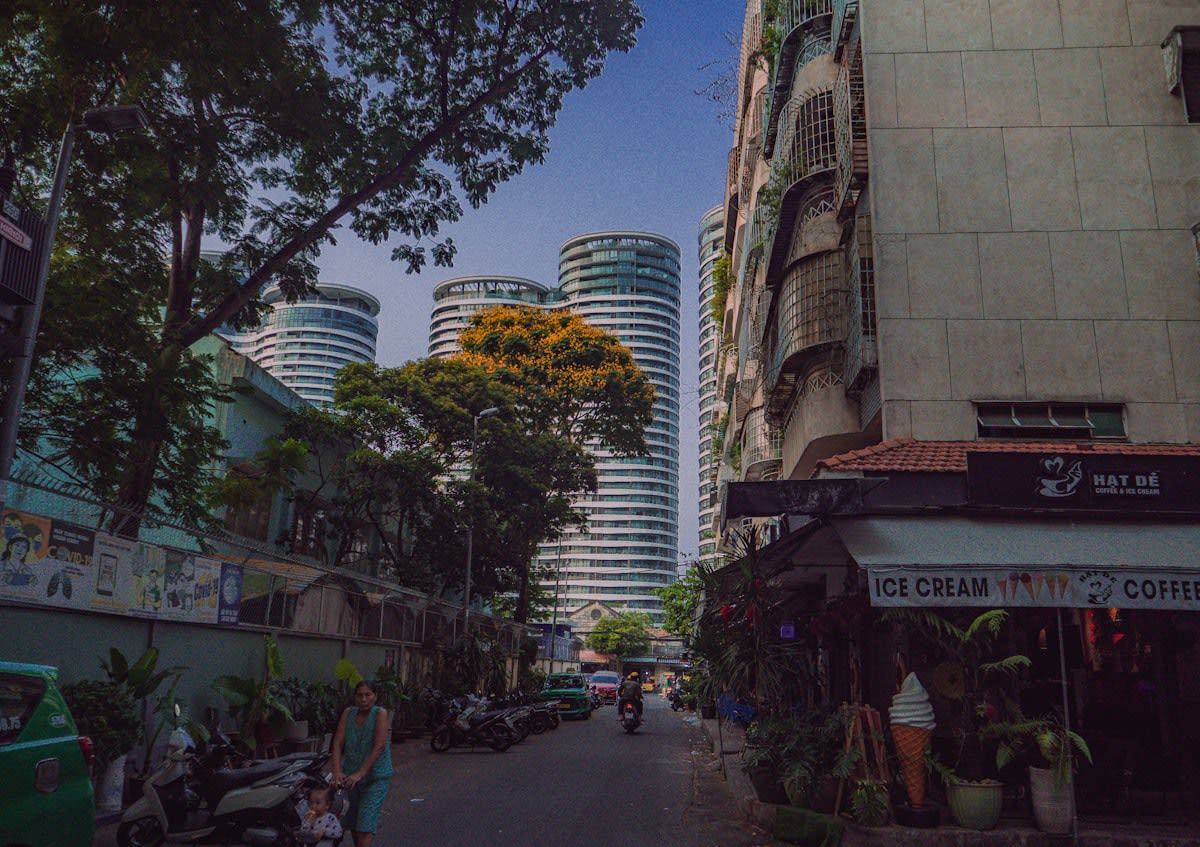
For decades, the waste management strategy across Southeast Asia was simple: find a plot of land, dig a hole, and hope the perimeter walls held. But the geography of the region has run out of room. In the last 12 to 18 months, a systemic shift has occurred. We are seeing a pivot from 'waste management'—a cost center focused on disposal—to 'waste-to-energy' (WtE), a revenue-generating infrastructure play. The goal is no longer just to hide the trash, but to convert municipal solid waste (MSW) into terawatt-hours (TWh) of baseload power. This isn't a gradual evolution; it is a desperate sprint driven by urban saturation and an urgent need for diversified energy portfolios.
Compare the landscape of early 2023 to today. A year ago, WtE projects were often viewed as experimental or prohibitively expensive 'luxury' imports from Europe. Now, they are central to national energy security strategies. In Vietnam and Thailand, the narrative has shifted from whether WtE is viable to how quickly it can be scaled. This delta is driven by a realization that landfills are not just environmental liabilities but lost energy assets. When you look at the sheer volume of organic and plastic waste flowing into cities like Bangkok or Ho Chi Minh City, you aren't looking at a pollution problem—you are looking at an untapped fuel source.
The Technical Friction: The Battle Against Wet Waste
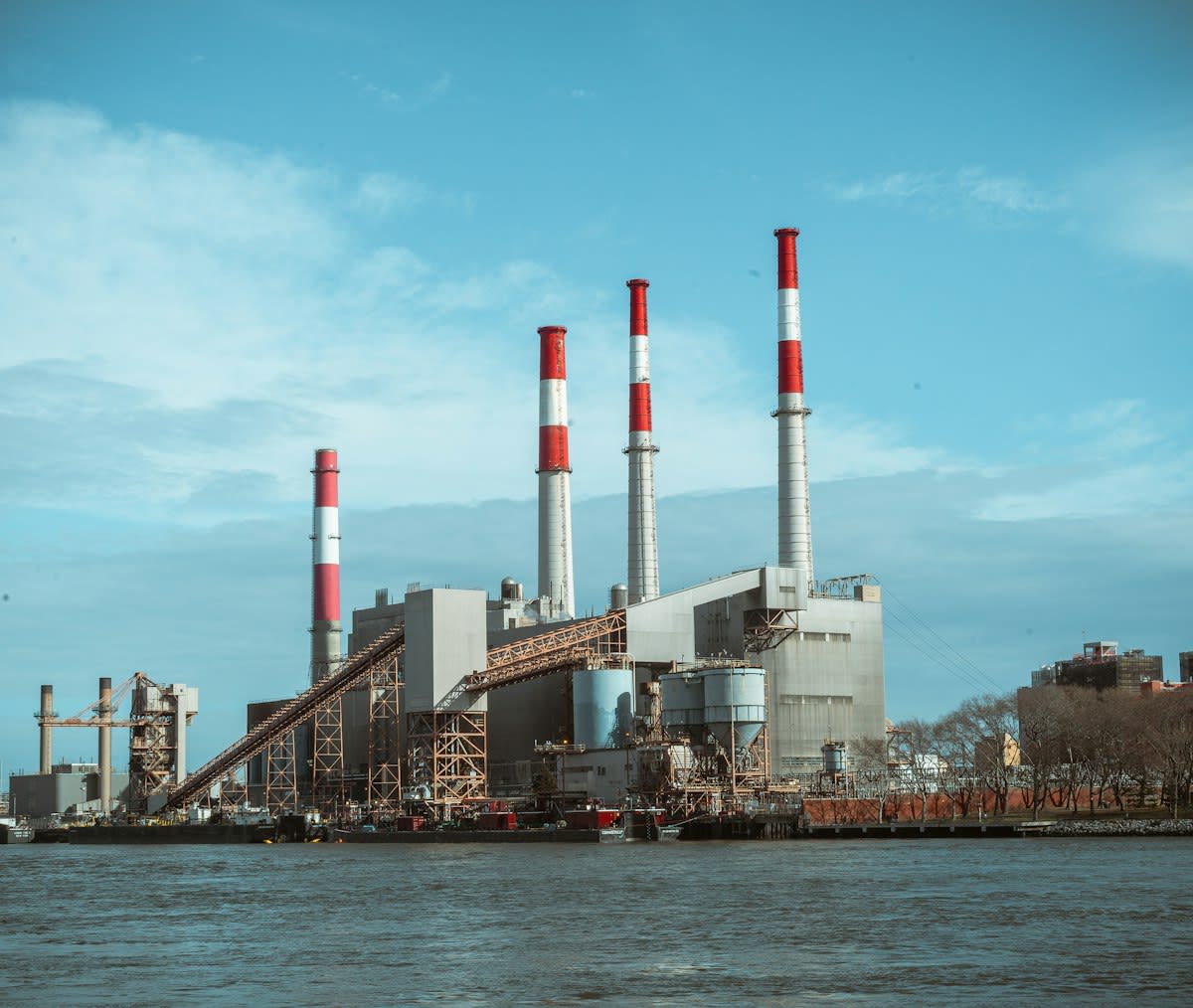
Here is where the theory of European-style incineration hits the reality of Southeast Asian humidity. If you drop a standard Scandinavian mass-burn incinerator into Jakarta, it will likely fail. Why? Because the waste profile is fundamentally different. Waste in this region is notoriously 'wet,' characterized by high organic content and moisture levels that plummet the calorific value of the fuel. Practitioners on the ground spend their days debating the 'Lower Heating Value' (LHV). If the LHV is too low, the plant requires auxiliary fuel—usually diesel or gas—just to keep the furnace hot enough to incinerate the trash, which kills the economic logic of the entire operation.
The real war is being fought over pre-treatment. Engineers are now implementing sophisticated drying stages and mechanical biological treatment (MBT) to strip moisture and organics before the waste ever hits the grate. This is the 'invisible' part of the WtE race. The winners won't be the companies with the biggest furnaces, but those who can master the pre-processing of organic sludge. This is a high-friction environment where the gap between a theoretical PPA (Power Purchase Agreement) and an actual spinning turbine is measured in moisture percentage.
"The challenge in emerging markets isn't the combustion technology—which is mature—but the feedstock consistency. Without rigorous source segregation, WtE plants become expensive waste-drying machines rather than power plants."— Regional Infrastructure Specialist, Asian Development Bank (ADB)
Beyond the technical hurdles, there is a fierce debate regarding the 'Circular Economy' paradox. Critics argue that by creating a hunger for waste to feed power plants, governments might inadvertently disincentivize recycling. If a plant has a 20-year contract requiring 1,000 tons of waste per day to remain solvent, does the city actually want people to compost or recycle? This tension creates a strange political dynamic where energy ministries and environment ministries are often at odds over the same pile of trash.
The Economics of the Burn: FiTs and Tipping Fees
WtE doesn't happen because it's cheap; it happens because it's subsidized. The economic engine of this pivot is the Feed-in Tariff (FiT). By guaranteeing a premium price for every kilowatt-hour generated from waste, governments are making these capital-intensive projects bankable. (Source: International Energy Agency, 2023). In Thailand, the government's push for 'Alternative Energy' has created a gold rush for WtE developers, offering tariffs that far exceed those for traditional coal or gas plants.
| Metric | Traditional Landfill | Modern WtE Plant |
|---|---|---|
| Land Requirement | High (Expanding) | Low (Compact) |
| Revenue Stream | Tipping Fees Only | Tipping Fees + Electricity Sales |
| Environmental Risk | Leachate/Methane | Flue Gas/Bottom Ash |
| Energy Output | Negligible (LFG) | High (Baseload TWh) |
However, the 'Tipping Fee'—the price paid by the municipality to the plant operator for every ton of waste delivered—remains a sticking point. In many Southeast Asian cities, the culture of paying for waste disposal is underdeveloped. When municipalities balk at tipping fees, the entire financial burden shifts to the electricity sale. This creates a precarious balance: if the grid price drops or the FiT is revoked, the plant becomes a stranded asset. The current trend is a move toward 'Hybrid Contracts' that split the risk between the city and the energy provider.
Geopolitical Playbooks: The Influence of Japan and Europe
The race to define the WtE standard in Asia is as much about diplomacy as it is about engineering. Japanese firms, leveraging their own history of land scarcity and advanced incineration, are aggressively exporting their technology through ODA (Official Development Assistance) loans. (Source: Japan International Cooperation Agency, 2023). They aren't just selling boilers; they are selling an entire urban ecosystem of waste management. This creates a long-term dependency on Japanese parts and expertise, cementing a strategic foothold in the region's infrastructure.
Meanwhile, European firms are pushing 'Zero Waste' integrated models, emphasizing anaerobic digestion for organics and incineration only for non-recyclable residuals. This 'Integrated Waste Management' approach is gaining traction in Vietnam, where the government is increasingly wary of creating 'lock-in' effects with mass-burn plants. The struggle between the Japanese 'Burn-it-All' efficiency and the European 'Sort-then-Burn' philosophy is playing out in real-time across the tender processes of major ASEAN capitals.
Is this a sustainable path or a temporary fix? The transition to TWh-scale waste recovery is undoubtedly a resilience play. It reduces the reliance on imported fossil fuels and solves the immediate crisis of landfill overflow. Yet, the long-term success depends on whether these nations can transition from 'Waste-to-Energy' to 'Resource Recovery.' The most advanced players are already looking at 'Waste-to-Hydrogen,' skipping the electricity phase entirely to feed the growing fuel-cell vehicle markets in Singapore and Thailand.
Fact-Check & Accuracy Note
Key claims regarding Feed-in Tariffs and regional capacity shifts are based on reports from the International Energy Agency (2023) and the Asian Development Bank. There is ongoing debate among environmental scientists regarding the net carbon emissions of WtE compared to landfill methane capture, particularly when considering the high plastic content of Southeast Asian waste streams.