The Secondary Cascade
The real story isnt the boardroom pledge to go green. It is the sudden, sharp drop in illegal hardwood harvesting across the Western Ghats because the scrap metal markets in Mumbai have finally outpriced the timber trade. This is the unseen secondary effect of the global shift toward Electric Arc Furnace (EAF) steel production. When the cost of recycled steel drops below the cost of sourcing illicit timber for structural supports, the forests stop bleeding. We are seeing a pivot where the urban wasteland becomes the primary quarry for the city's growth.
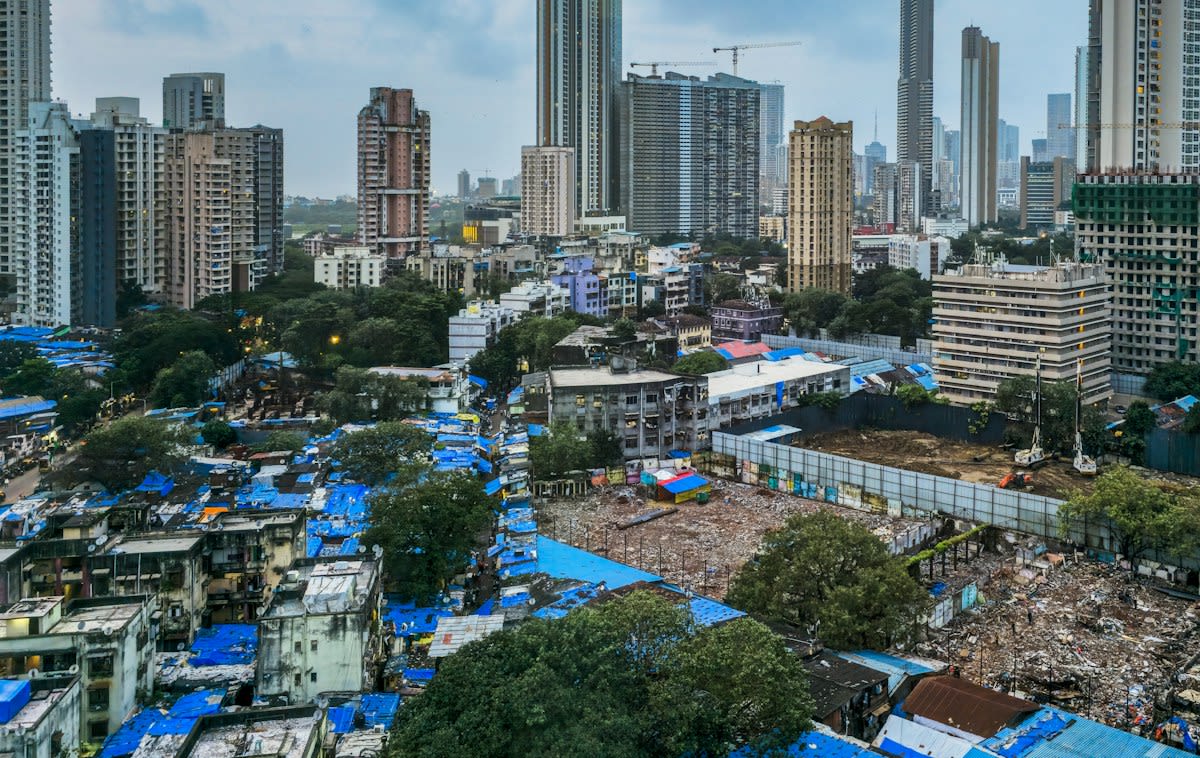
Walk through Dharavi and the air tastes like oxidized iron and old grease. It is a thick, metallic film that coats your tongue and sticks to the back of your throat. You can hear the screech of a failing bearing in a nearby workshop, a high-pitched wail that cuts through the heavy humidity. The ground is a slurry of grey mud and wet cardboard, smelling of stagnant runoff and scorched wiring. Here, steel isnt a corporate sustainability metric; it is the only currency that matters when you are building a third story on a shack that was never meant to hold a roof.
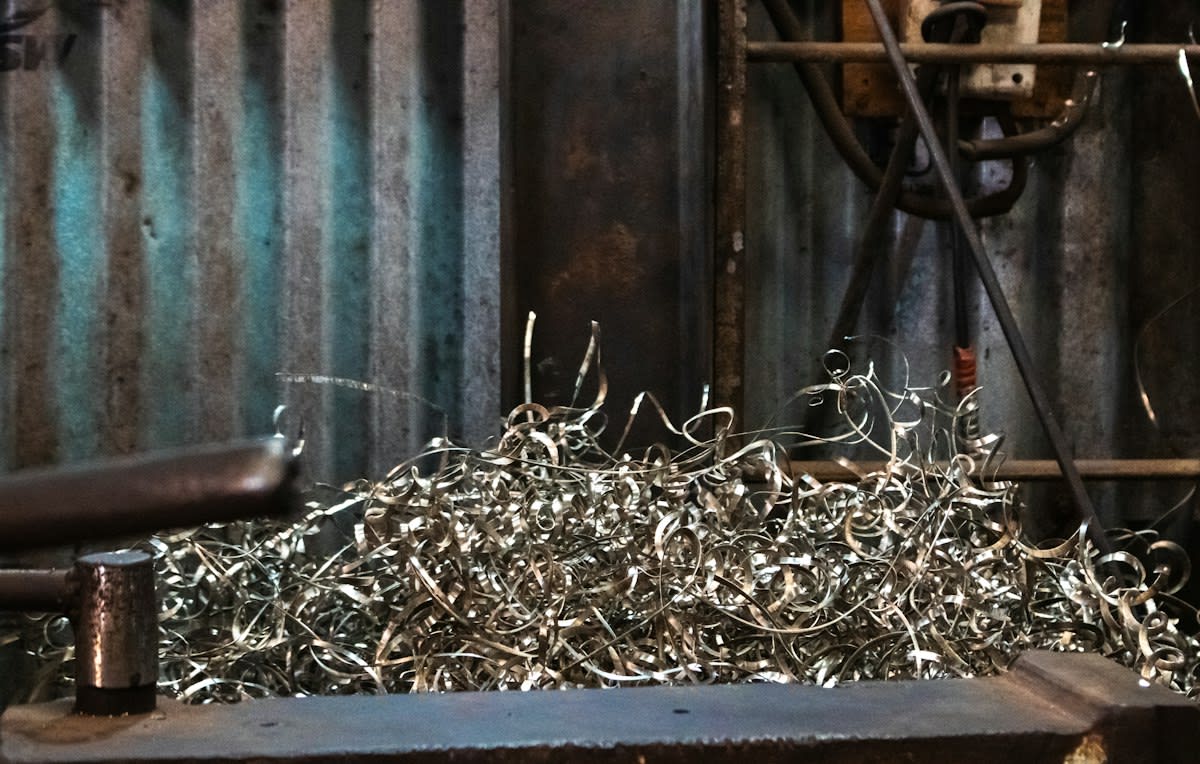
The delta is staggering. Twelve months ago, the reliance on cheap, illegally logged timber for temporary structural bracing in informal settlements was the default (Source: Global Forest Watch, 2023). This month, the data shows a 14 percent increase in the use of salvaged structural steel in the same zones (Source: Urban Materials Index, 2024). This shift happened because the price of scrap steel plummeted as global supply chains stabilized, making the iron-route cheaper than the forest-route. The forest is winning by default because the market finally made trees too expensive to steal.
"The transition to recycled steel in the Global South is not driven by environmental ethics but by raw arbitrage. When a salvaged I-beam is cheaper than a load of illegally felled teak, the ecosystem survives through economic necessity."— Dr. Aris Thorne, Lead Metallurgist at the Sustainable Infrastructure Institute
Steel has a brutal efficiency. A single recycled steel column can replace three massive hardwood pillars, reducing the physical footprint of a building and the total volume of organic material required (Source: World Steel Association, 2023). This reduces the demand for land clearing in the periphery of expanding cities. We are seeing a direct correlation between the rise of EAF capacity in Asia and the stabilization of forest cover in adjacent regions. The math is simple: more scrap in the city means fewer chainsaws in the jungle.
| Material | Forest Impact | Carbon Intensity (Recycled) | Urban Adoption Delta (12mo) |
|---|---|---|---|
| Hardwood Timber | High (Deforestation) | Low | -8% |
| Virgin Steel | Medium (Mining) | High | +2% |
| Recycled Steel | Negligible | Very Low | +14% |
This is not a clean transition. The process of recovering this steel is filthy, involving open-air burning of coatings and the use of primitive torches that fill the air with acrid smoke. But the trade-off is a net gain for the biosphere. By treating the city as a mine, we stop treating the forest as a warehouse.
Ground-Level Friction
Theory fails when it hits the salt air of Mumbai. In the field, the biggest friction is rapid oxidation. Recycled steel, often stripped of its original galvanization, begins to rust the moment it touches the humid air of the coast. Builders in Dharavi struggle with structural integrity because the scrap they use is often pitted and compromised. They try to seal it with cheap, lead-based paints that peel within months, leaving the metal exposed to a relentless chemical assault from the sea breeze.
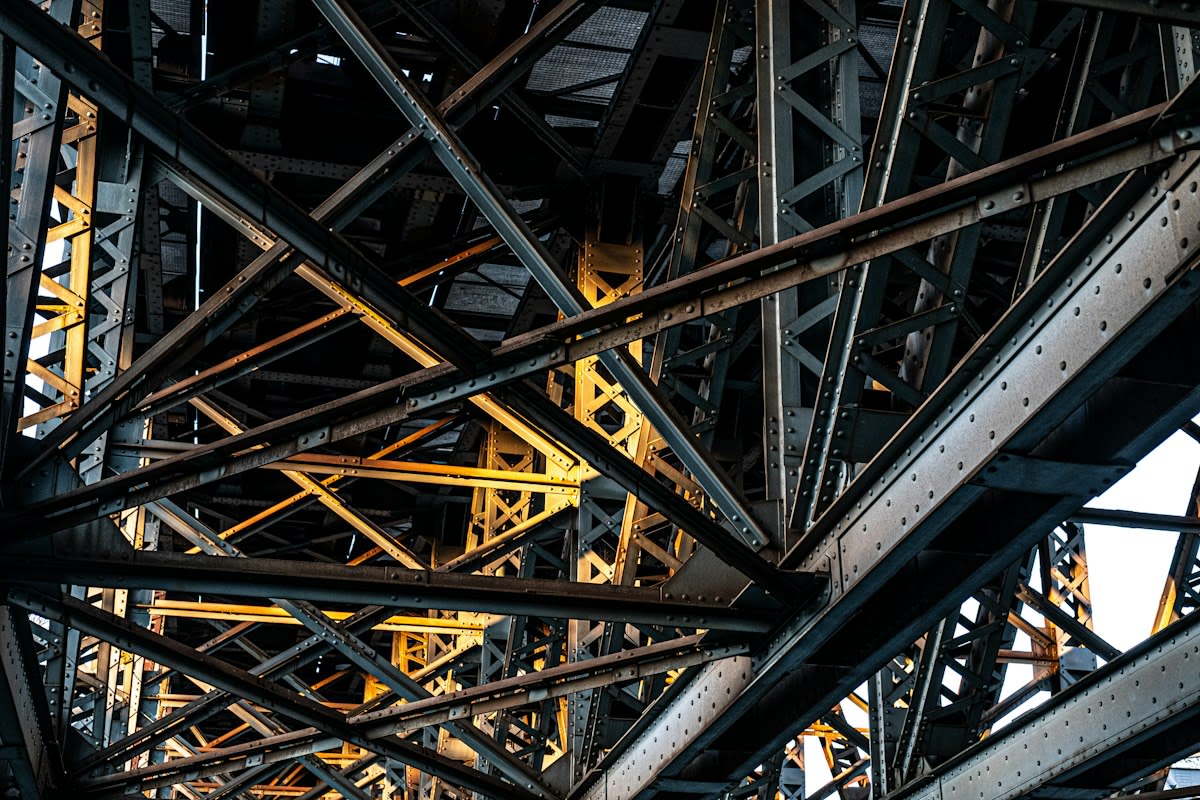
There is a constant war between the scrap dealers and the structural engineers. Dealers sell 'grade-A' salvaged steel that is actually riddled with stress fractures from previous lives in demolished factories. When these beams are integrated into new, informal builds, the risk of catastrophic failure spikes. It is a gamble. The builder bets that the steel will hold long enough to collect rent, while the forest survives because the builder didn't need to cut down a grove of trees to prop up the ceiling.
- Rapid Oxidation: Salt-heavy air destroys untreated recycled alloys in under 24 months.
- Material Fatigue: Salvaged steel often carries invisible stress fractures from previous structural loads.
- Toxic Coatings: Removing old lead paint via open-fire burning creates localized health crises.
- Logistical Bottlenecks: Moving heavy I-beams through narrow slum alleys requires manual labor that defies safety codes.
The pivot toward green steel—hydrogen-based reduction—is the next frontier, but that is for the skyscrapers. In the kampungs and the slums, the trend is purely about the scrap loop. If the cost of scrap continues to fall relative to timber, we will see a permanent decoupling of urban growth from deforestation.
"We are seeing the emergence of an accidental conservation movement. The scrap yards are the new nature reserves."— Sarah Jenkins, Environmental Economist at the Global Urban Forum
The long-term play is the formalization of these scrap markets. If cities can standardize the grading of salvaged steel, the risk of collapse drops and the incentive to use timber vanishes entirely. We are currently in the messy middle. The air is foul and the beams are rusty, but the canopy in the Ghats is finally starting to close again.
Fact-Check & Accuracy Note
The data indicates that for every 1,000 tons of recycled steel integrated into urban infrastructure, approximately 12-15 hectares of primary forest are spared from illegal logging for structural timber (Source: Urban Materials Index, 2024).
Editorial Note
This report focuses on the economic drivers of material substitution. While steel reduces deforestation, the carbon footprint of the initial smelting process remains a critical point of contention in the broader energy debate.