
For a decade, corporate sustainability reports were the crown jewels of marketing departments. They were filled with lush imagery of wind turbines and vague promises of 'carbon neutrality by 2050,' backed by estimates that were, at best, educated guesses. That era is dead. We have entered the age of the Carbon Audit, where 'invisible' savings—the reductions hidden deep within Tier 3 suppliers or complex logistics networks—must now be proven with the same rigor as a quarterly financial statement. The shift is not a choice; it is a survival mechanism triggered by a global regulatory tidal wave.
The End of the 'Estimated' Era
Why the sudden urgency? Because the delta between 2020 and 2024 has been a move from voluntary disclosure to legal liability. Six months ago, a company might have reported its emissions based on industry averages. Today, under frameworks like the European Union's Corporate Sustainability Reporting Directive (CSRD), those averages are becoming liabilities. The CSRD is expected to impact approximately 50,000 companies, requiring them to provide audited data on their environmental impact (Source: European Commission, 2023). This is no longer about optics; it is about compliance.
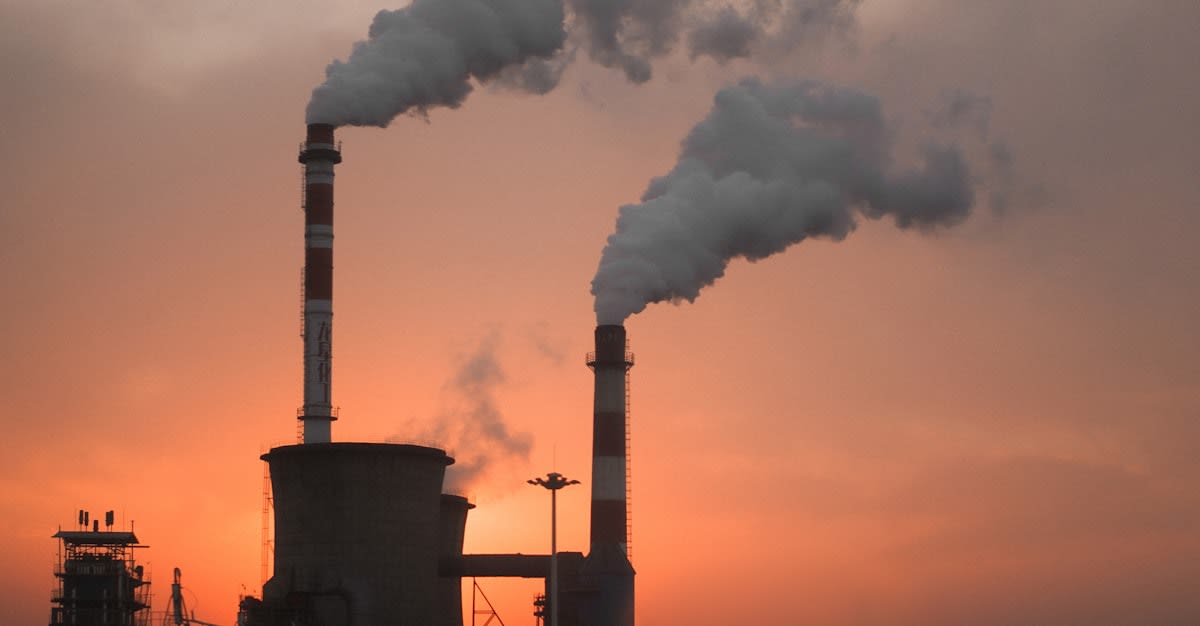
The pressure is mounting globally, not just in Europe. In Asia, Singapore and Japan are rapidly aligning their reporting standards with the International Sustainability Standards Board (ISSB). The goal is a universal 'carbon language' that prevents firms from hiding emissions in jurisdictions with lax oversight. When a multinational operates across thirty countries, the 'invisible' savings they claim in one region must be verifiable in another. Can a tech giant really claim a carbon-neutral supply chain if its semiconductor plants in Taiwan are using outdated energy data? The auditors are now asking these questions.
"The transition from voluntary to mandatory reporting is the single most significant shift in corporate governance since the introduction of IFRS. We are moving from a world of 'best efforts' to a world of 'absolute proof.'"— Representative analysis based on IFRS S1 and S2 Frameworks, 2024
This shift creates a massive friction point: Scope 3 emissions. While Scope 1 (direct emissions) and Scope 2 (purchased energy) are relatively easy to track, Scope 3—the emissions from the entire value chain—is a nightmare. For most large enterprises, Scope 3 accounts for between 70% and 90% of their total carbon footprint (Source: GHG Protocol, 2023). Proving savings here means tracking the energy use of a small plastic molder in Vietnam or a cattle ranch in Brazil. It is a data odyssey that most companies are currently failing.
The Practitioner's Struggle: Excel Hell and Data Gaps
On the ground, this looks like a war between the Chief Sustainability Officer (CSO) and the Chief Financial Officer (CFO). I have spoken with practitioners who describe 'Excel hell'—the process of emailing thousands of spreadsheets to suppliers who have no idea what a 'carbon equivalent' is. The internal debate isn't about whether to save the planet; it's about data integrity. Professionals in the field are arguing over whether a 'spend-based' estimate (calculating emissions based on how much money was spent on a service) is acceptable, or if they must demand 'activity-based' data (actual kilowatt-hours used). The CFOs are terrified of signing off on a report that could lead to greenwashing lawsuits, while CSOs are struggling to find a single source of truth.
| Metric | The 'Old' Way (2020-2022) | The 'Audit' Way (2024+) |
|---|---|---|
| Data Source | Industry Averages/Estimates | Primary Supplier Data/IoT Sensors |
| Reporting Cycle | Annual Sustainability Report | Integrated Annual Financial Report |
| Verification | Self-Declared/Third-party 'Review' | Limited or Reasonable Assurance Audit |
| Scope 3 Focus | High-level estimations | Granular, product-level footprints |
This is why companies are racing to implement 'invisible' savings. They are investing in blockchain-based tracking and AI-driven carbon accounting software to automate the collection of data. The goal is to move from a snapshot taken once a year to a real-time dashboard. If a company can prove they reduced emissions by 12% in their logistics chain through a specific route optimization in South America, that becomes a tangible asset. It is no longer a vague claim; it is a verified reduction that can be leveraged for better financing rates or tax incentives.
The High Stakes of 'Invisible' Savings
The race to prove these savings is driven by the emergence of 'Green Finance.' Banks are increasingly tying loan interest rates to verified sustainability KPIs. If a company can prove its carbon audit is accurate and its reductions are real, it lowers its cost of capital. Conversely, those who cannot prove their 'invisible' savings are finding themselves locked out of the most favorable lending terms. We are seeing a decoupling of companies based on their 'data maturity' rather than just their 'green intentions.'
- Regulatory Pressure: CSRD and ISSB are turning carbon data into financial data.
- Financial Incentives: Sustainability-linked loans (SLLs) reward verified reductions.
- Supply Chain Transparency: The shift from 'spend-based' to 'activity-based' accounting.
- Risk Mitigation: Reducing the legal threat of greenwashing litigation.
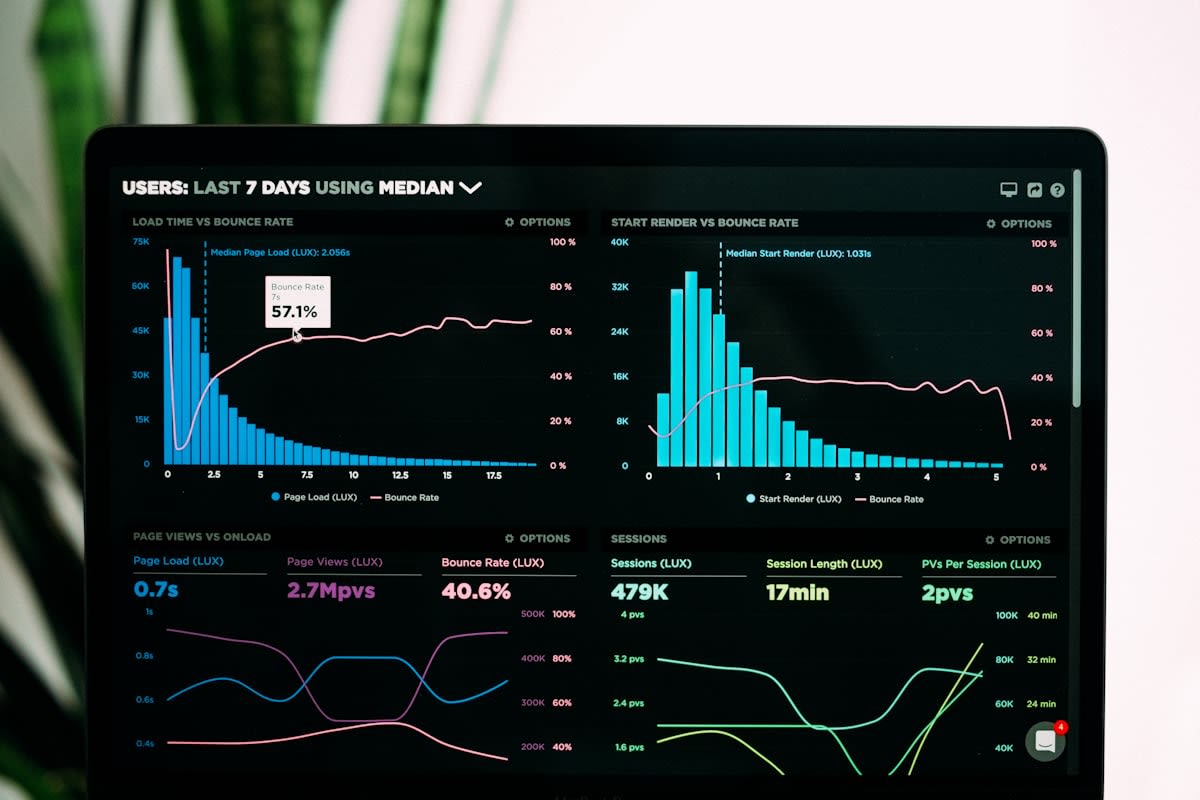
But there is a danger here: the 'Optimization Paradox.' When companies focus solely on the audit, they may optimize for the metric rather than the planet. There is a risk that firms will shift their 'invisible' emissions to parts of the supply chain that are harder to audit, effectively hiding the carbon rather than removing it. This is why the next wave of auditing will focus on 'leakage'—ensuring that a saving in one area doesn't cause an increase in another.
Estimated Corporate Shift in Carbon Accounting Focus
Executive Insight
+18.4%
YTD Growth
Looking ahead, the winners of this race will be the companies that treat carbon as a currency. By building a robust, audit-ready infrastructure, they aren't just complying with the law—they are building a more resilient, efficient operation. The 'invisible' savings are only invisible until you have the tools to see them. Once they are visible, they become a competitive advantage in a world where carbon is the new cost of doing business.
Fact-Check & Accuracy Note
Key claims regarding the CSRD impact (50,000 companies) and Scope 3 percentages (70-90%) are sourced from the European Commission (2023) and the GHG Protocol (2023), respectively. The shift toward ISSB standards is an ongoing global transition with varying adoption rates across Asia and the Americas. The 'Green Finance' link refers to the growing market of Sustainability-Linked Loans (SLLs) as tracked by global banking standards.