Singapore Airlines owner Temasek backs Air India investment amid concerns in city-state
Source Entity
Sukalp Sharma
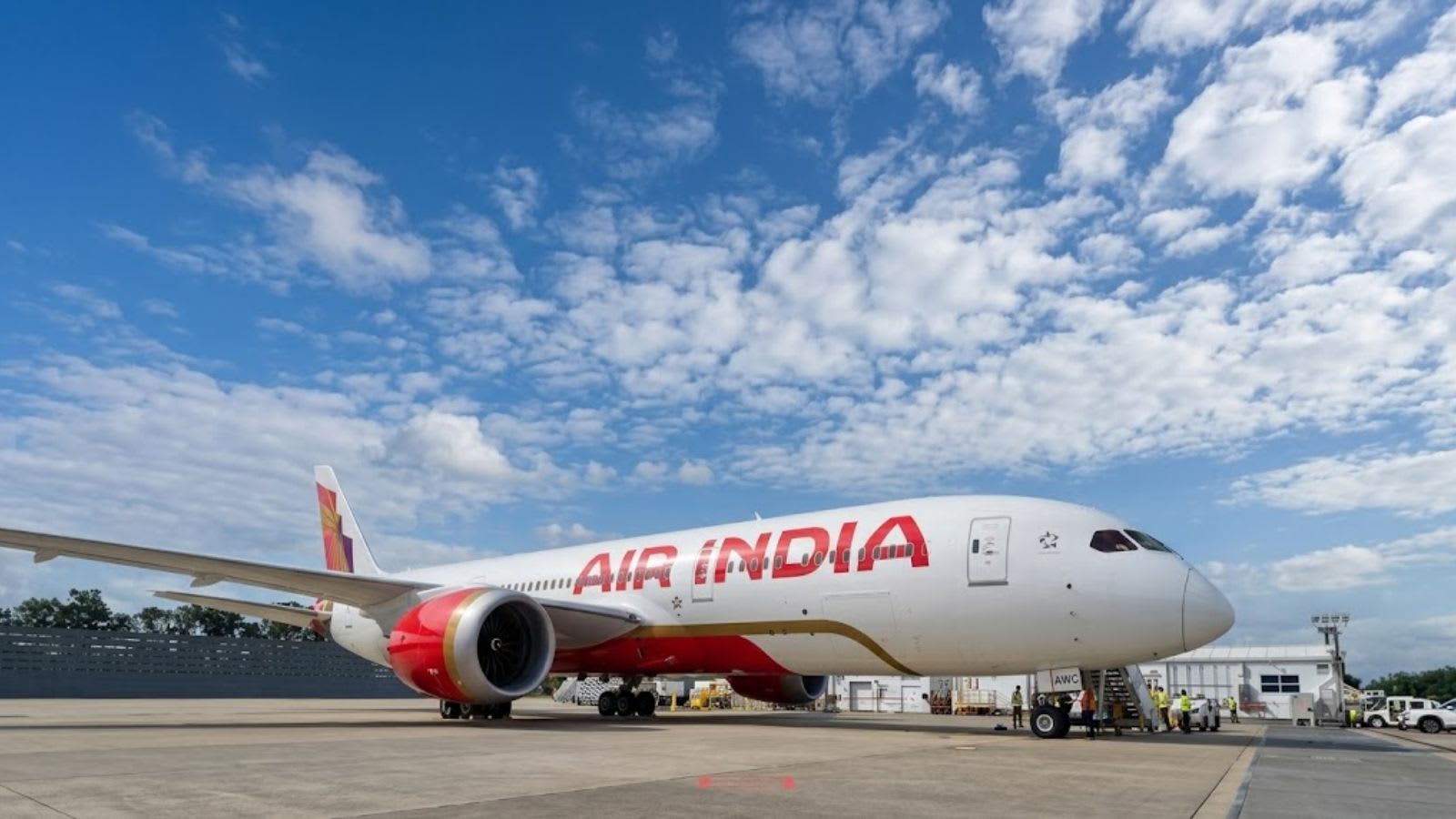
Temasek, the majority shareholder of Singapore Airlines, has publicly supported the carrier's investment in Air India. Despite concerns over Air India's financial losses, Temasek maintains a long-term strategic outlook on the partnership.
Strategic Alignment in Aviation
Temasek, the Singapore government-owned investment firm, has officially confirmed its support for Singapore Airlines’ (SIA) ongoing investment in Air India. This backing arrives at a critical juncture as SIA navigates the complexities of its 25.1% stake in the Indian carrier. By endorsing this move, Temasek signals a clear intent to prioritize long-term growth trajectories over short-term fiscal volatility, positioning the investment as a gateway to capturing the rapidly expanding Indian aviation market.
Navigating Financial Scrutiny
The public backing from Temasek serves as a direct response to rising apprehension within Singapore regarding the financial stability of Air India. As a legacy carrier currently undergoing a massive, multi-year transformation, Air India has necessitated significant capital infusions from its principal shareholders, Tata Sons and SIA. Critics within the city-state have raised valid concerns regarding the potential for these cash calls to impact the parent company’s bottom line, especially given Air India’s historical legacy of operational deficits.
The Logic of Long-Term Transformation
Temasek’s statement highlights a fundamental understanding of the aviation industry: systemic turnarounds for airlines of Air India’s scale are inherently protracted. The investment is framed not as a quick-fix acquisition, but as a strategic commitment to a multi-year integration process. By acknowledging the "complex, multi-year operational and integration challenges," Temasek is effectively managing stakeholder expectations, signaling that immediate profitability is secondary to the successful restructuring of the airline's fleet and operational culture.
Expanding Beyond the City-State
For an investment firm like Temasek, the move is rooted in the necessity of securing growth beyond the saturated domestic market of Singapore. The aviation sector in India represents one of the fastest-growing markets globally, driven by a burgeoning middle class and increasing air travel penetration. By maintaining a stake in Air India, SIA secures a foothold in a strategic geography that would otherwise be difficult to penetrate through organic growth alone, thereby diversifying its regional influence.
Future Implications and Operational Realities
The path forward remains challenging, as Air India continues to grapple with the integration of diverse operational legacies. However, with the explicit support of a powerhouse investor like Temasek, the partnership between Tata Sons and Singapore Airlines gains a layer of institutional stability. This support is expected to provide the necessary runway for the management team to execute their turnaround plan, though the market will undoubtedly continue to watch the capital requirements of the venture closely.
Concluding Outlook
Ultimately, the endorsement from Temasek reinforces the rationale behind the SIA-Air India alliance. While the financial burden of transforming a loss-making entity is significant, the strategic value of the Indian market is viewed as an essential component of Singapore Airlines' future portfolio. As the integration progresses, the success of this investment will likely hinge on the ability of the shareholders to balance rigorous capital discipline with the patience required to overhaul a legacy airline.