The bond market prepares for a hike to interest rates, while US stocks drift lower
Source Entity
Yahoo Finance
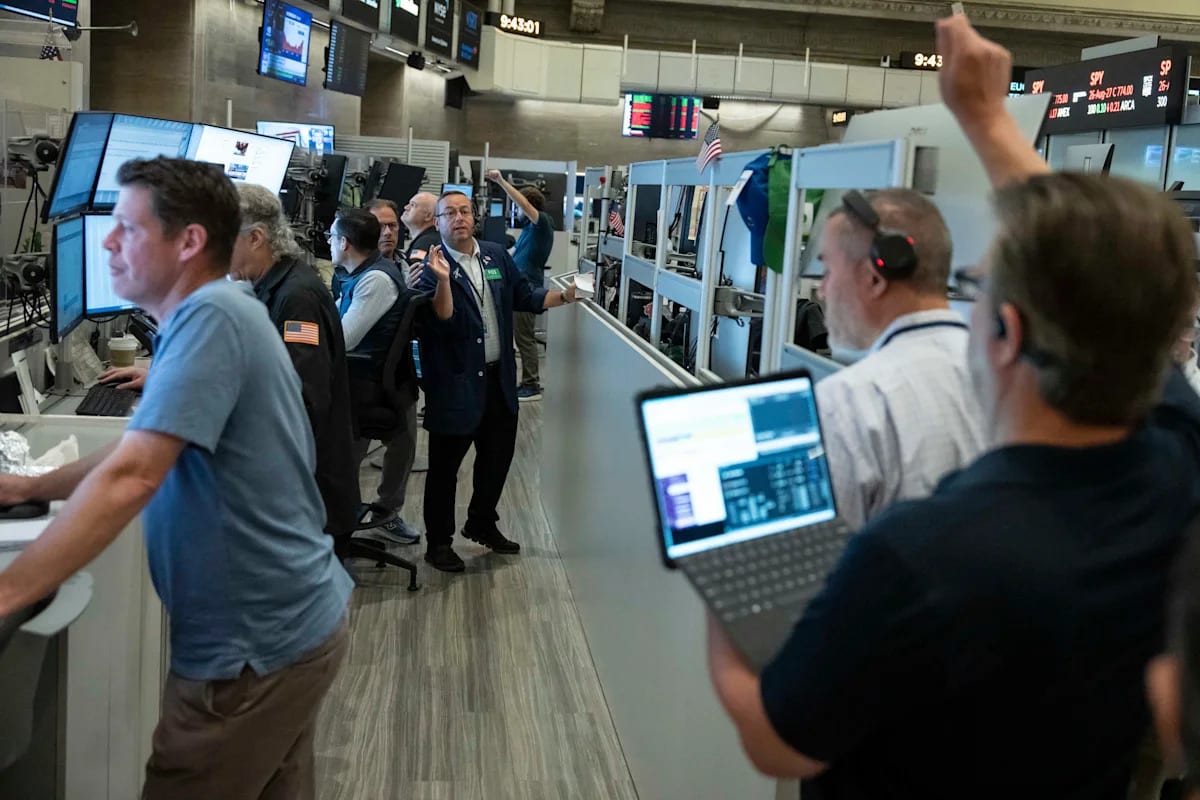
The U.S. bond market is reacting to expectations of Federal Reserve interest rate hikes aimed at curbing inflation. While major stock indices saw marginal declines, investors are signaling confidence in the Fed's commitment to economic stability despite potential short-term volatility.
Market Volatility and the Federal Reserve's Policy Shift
The financial landscape experienced significant turbulence this past Friday as market participants recalibrated their expectations regarding Federal Reserve policy. The bond market, acting as a primary barometer for interest rate sentiment, saw sharp movements as investors increasingly priced in the likelihood of imminent rate hikes. These adjustments are a direct response to the persistent challenge of high inflation, which continues to be the central focus for policymakers and institutional investors alike.
The Impact of Chairman Kevin Warsh’s Rhetoric
A pivotal moment in this market shift was the recent address delivered by Federal Reserve Chairman Kevin Warsh at the annual economic symposium in Jackson Hole, Wyoming. This speech served as a critical signaling mechanism; by articulating a firm stance on inflation control, Warsh successfully bolstered investor faith in the Fed's willingness to implement potentially painful economic measures to ensure long-term price stability. The market's reaction suggests that while the prospect of higher rates is daunting, there is a prevailing sentiment that the Fed will act decisively.
Analyzing Equity Market Performance
Contrasting with the heightened activity in the bond sector, U.S. equities displayed a more tempered reaction. The S&P 500 experienced a minor decline of 0.2% after a period of fluctuation, while the Dow Jones Industrial Average and the Nasdaq composite saw similarly slight retreats. This relative stability in the stock market, despite the looming threat of higher borrowing costs, indicates a complex balancing act where investors are weighing the necessity of inflation control against the potential for corporate earnings pressure.
The Broader Economic Implications
The central tension currently dominating the financial sector is the trade-off between suppressing inflation and maintaining economic growth. By committing to rate hikes, the Federal Reserve is essentially signaling that it is prepared to endure short-term economic discomfort to prevent the long-term erosion of purchasing power. The market’s current performance reflects this ongoing internal debate, as investors attempt to forecast the pace and magnitude of future monetary tightening.
Historical Context and Future Trends
The Jackson Hole symposium has historically been a venue for significant policy announcements, and this year’s event has proven no different. As the Federal Reserve navigates this tightening cycle, the bond market will likely continue to lead equity markets in pricing in these changes. Moving forward, observers should look for continued volatility in fixed-income securities, as the market anticipates further commentary from Fed officials regarding the specific trajectory of future rate adjustments.