The Obsession with Dryness
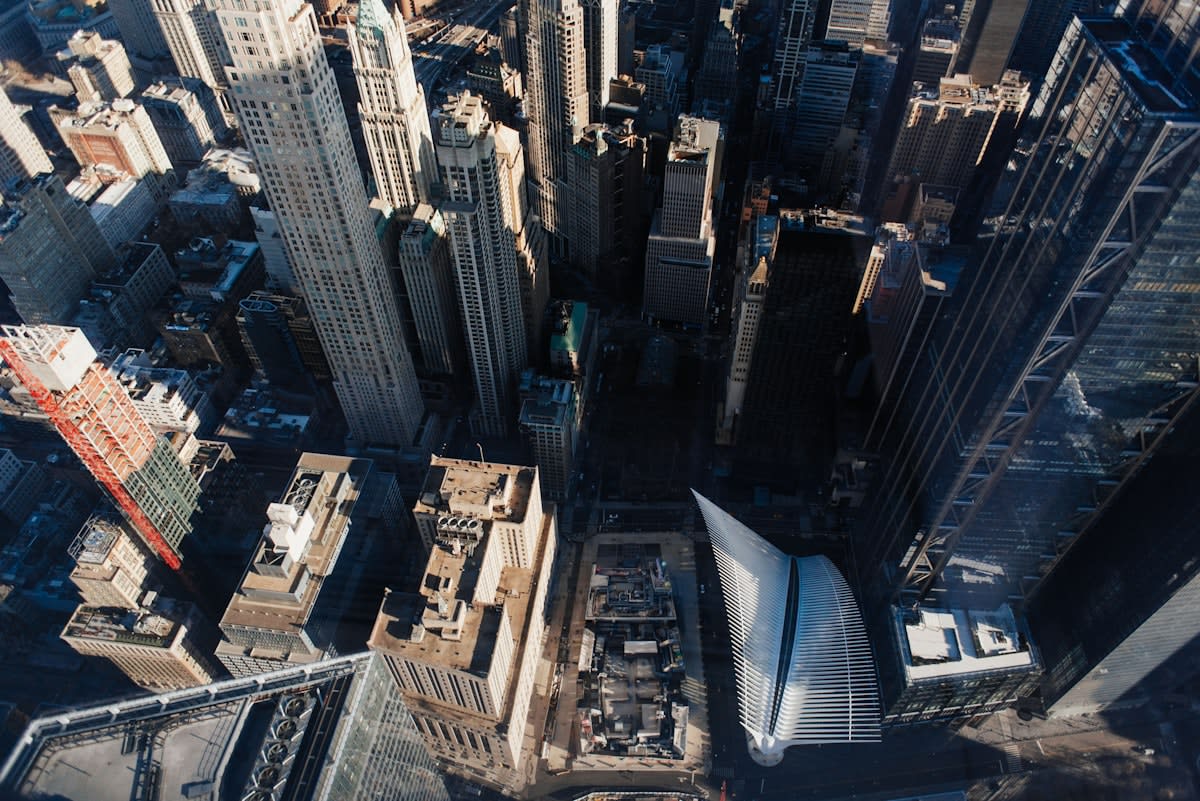
Modern urbanism has long been a war of attrition against water. We built concrete basins, straightened rivers, and engineered massive pipe networks designed for a single, desperate purpose: to move water away from people as quickly as possible. This linear logic—collect, transport, discharge—assumes a stable environment where the '100-year flood' is a reliable metric. But what happens when the metric itself is a lie? When the infrastructure designed to protect us becomes a rigid liability in a fluid world?
Look at the current struggle in Houston. Harris County recently released new drafts of FEMA flood maps, but the reaction from experts was not relief, but skepticism. Jim Blackburn, an environmental lawyer and co-director of Rice University's SSPEED center, notes that the region has spent years building based on maps that were fundamentally in error. The systemic failure here isn't just a lack of data; it is a reliance on static mapping for a dynamic crisis. We are trying to map a moving target using a frozen lens.
"Even with these expanded maps, they're still just capturing the tip of the iceberg."— Jim Elliott, Rice University Sociologist
This 'iceberg' effect is a global phenomenon. From the flash floods threatening upstate New York—where rainfall rates can spike to 2 inches per hour—to the arid plains of Asia and Africa, the traditional drainage model is collapsing. When we pave over the earth, we destroy the land's natural ability to breathe and absorb. We create a slip-and-slide effect where water accelerates across impermeable surfaces, overwhelming sewers and turning streets into rivers. The solution isn't bigger pipes; it is a fundamental redesign of the urban surface.
Engineering the Porous City
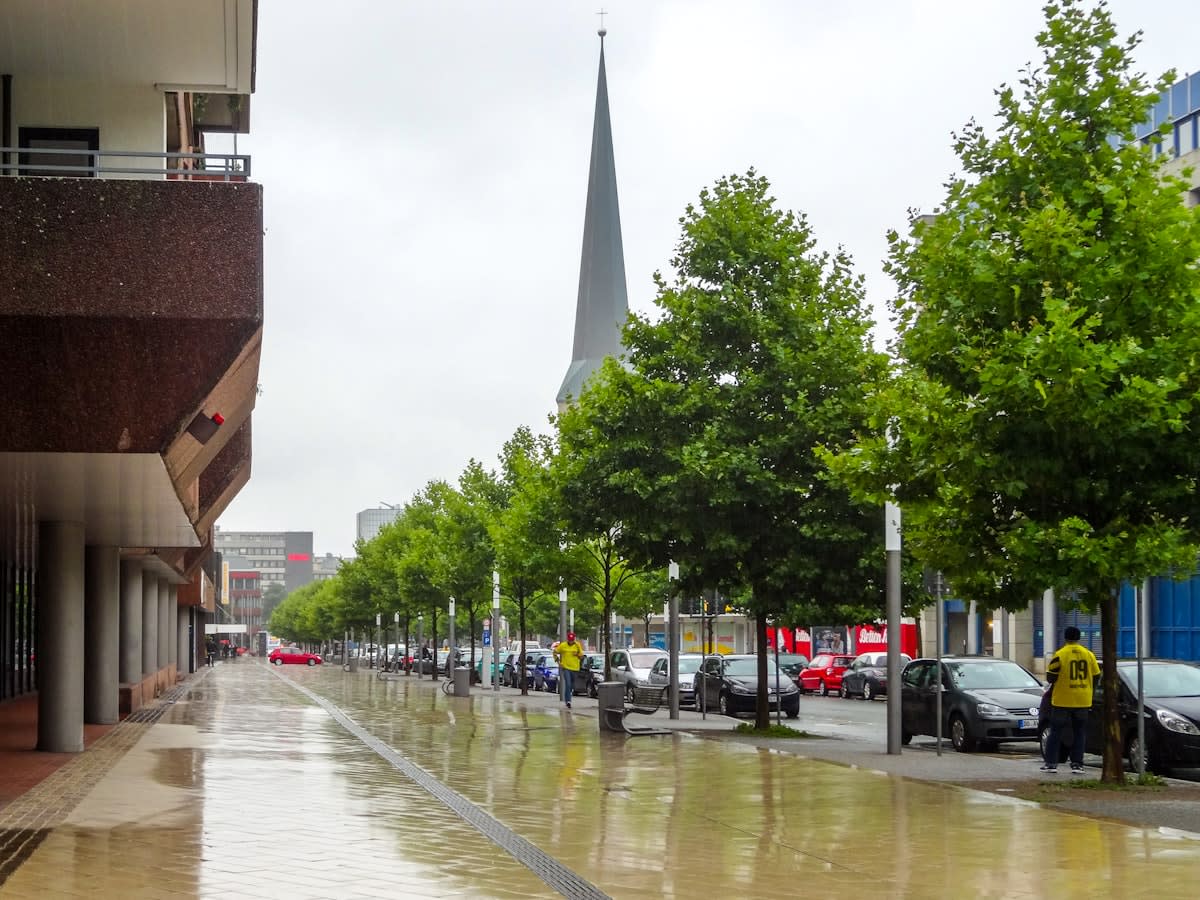
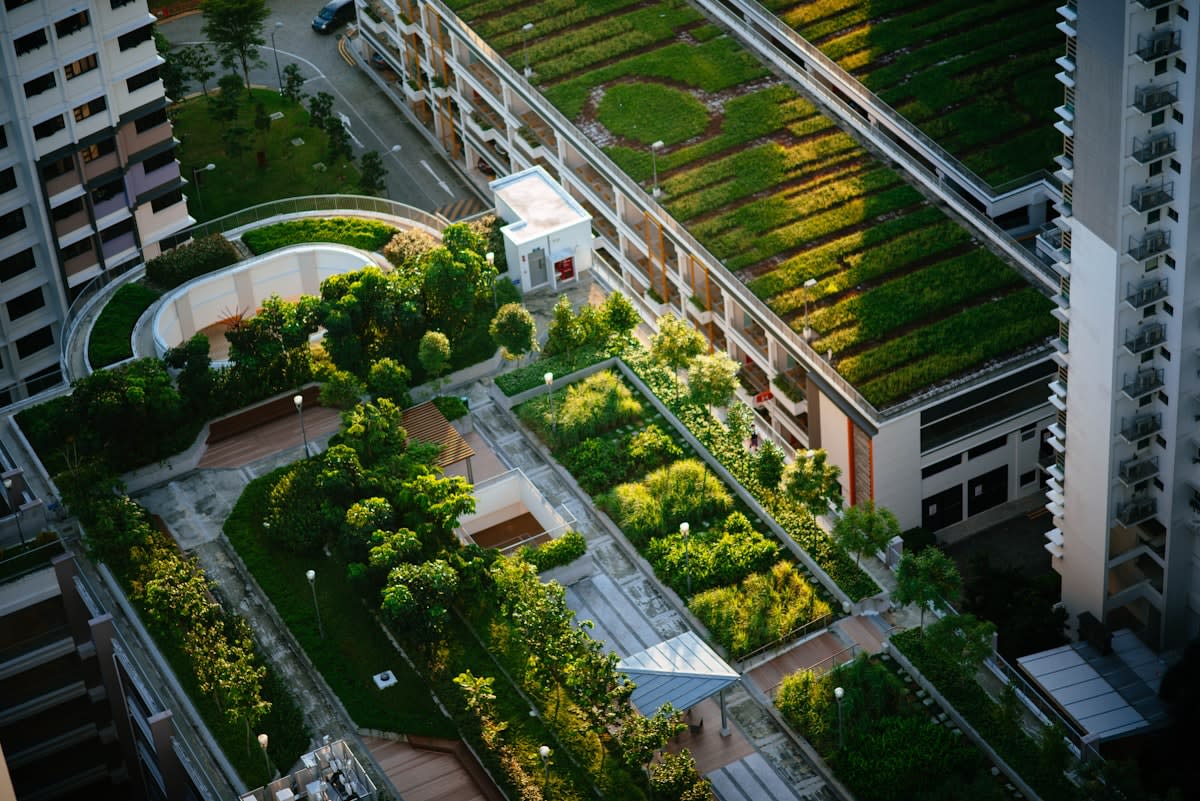
Enter the Sponge City. This isn't a localized trend but a strategic pivot toward Blue-Green Infrastructure (BGI). Rather than fighting water, BGI integrates natural and engineered tools to capture, store, and purify it. It transforms the city from a waterproof slab into a living membrane. By using permeable pavements, rain gardens, and constructed wetlands, cities can mitigate the negative impacts of climate change by conserving water during droughts and managing runoff during deluges.
The brilliance of this approach lies in its duality. In hot-arid regions, the Sponge City concept is a survival strategy. It is not merely about preventing a flood; it is about water harvesting. By creating functional green spaces that serve as flood buffers, cities can redistribute captured stormwater to maintain vegetation and provide water security during prolonged dry spells. This flips the narrative: water is no longer a waste product to be expelled, but a precious resource to be banked.
| Metric | Traditional Grey Infrastructure | Sponge City (BGI) |
|---|---|---|
| Primary Objective | Rapid Evacuation of Water | Absorption and Retention |
| Environmental Impact | High Runoff, Low Filtration | Water Purification, Habitat Creation |
| Water Utility | Waste Product (Stormwater) | Resource (Stored for Drought) |
| Adaptability | Rigid (Fixed Capacity) | Flexible (Scalable Green Space) |
| Economic Focus | High Capital Expenditure (Pipes/Dams) | Integrated Ecosystem Services |
However, the implementation of these strategies is not a one-size-fits-all application. As highlighted in research from Frontiers in Sustainable Cities, the success of Sponge City techniques depends entirely on their compatibility with local environmental, social, and economic contexts. A rain garden in a temperate zone behaves differently than a retention basin in a hot-arid region. The strategic challenge for planners is now one of adaptation and community engagement, ensuring that technological solutions align with the actual needs of the urban population.
The Agricultural Buffer: Beyond the City Limits
The logic of the Sponge City must extend beyond the municipal boundary. The intersection of urban runoff and agricultural land is where the systemic risk is most acute. Globally, floods are the second most destructive natural disaster for agricultural production, impacting roughly 27% of agricultural land according to the Food and Agriculture Organization. When cities fail to absorb water, they push that volume onto the surrounding farmland, exacerbating a crisis of food security.
We are seeing the first legislative ripples of this realization. In California, Representative Jimmy Panetta has authored legislation specifically aimed at helping farmers become more resilient to destructive floods. This is a recognition that farm resilience is a component of regional water management. By providing farmers with the tools to respond to evolving environmental conditions, the goal is to create a broader, regional 'sponge' that protects both the urban core and the food supply.
Why does this matter for the global economy? Because the cost of failure is no longer just a flooded basement or a closed road. It is the systemic loss of arable land and the collapse of outdated insurance models based on the flawed FEMA-style mapping. If 27% of the world's agricultural land is at risk, the 'dry city' obsession is not just an engineering error—it is an economic gamble.
The Velocity of Change
The urgency is driven by the sheer intensity of modern weather events. The recent flood watches in western and central New York serve as a case study in volatility. When rainfall hits 2 inches per hour, no amount of traditional piping can keep pace. These 'flash' events are the new baseline. In these moments, the only viable defense is a landscape that can absorb volume instantaneously.
The Strategic Pivot
The shift is psychological. We are moving from a mindset of 'mitigation'—trying to stop the inevitable—to 'integration,' where we design cities that are comfortable with occasional flooding because they have the infrastructure to recover and utilize that water.
Is it possible to retroactively turn a concrete jungle into a sponge? It is difficult, but necessary. It requires tearing up impermeable asphalt and replacing it with bioswales and permeable grids. It requires a political will that prioritizes long-term resilience over short-term convenience. The cities that survive the next century will not be the ones with the highest walls, but the ones with the deepest pores.
Ultimately, the Concrete Sponge represents a return to ecological sanity. By treating the city as part of the watershed rather than an obstacle to it, we stop fighting a losing battle against gravity and weather. The future of urban resilience is not dry; it is porous, adaptive, and fundamentally integrated with the natural world.