Florida protects 50,000 acres of ranchland, including $77.75m Everglades deal
Source Entity
TOI LIFESTYLE DESK
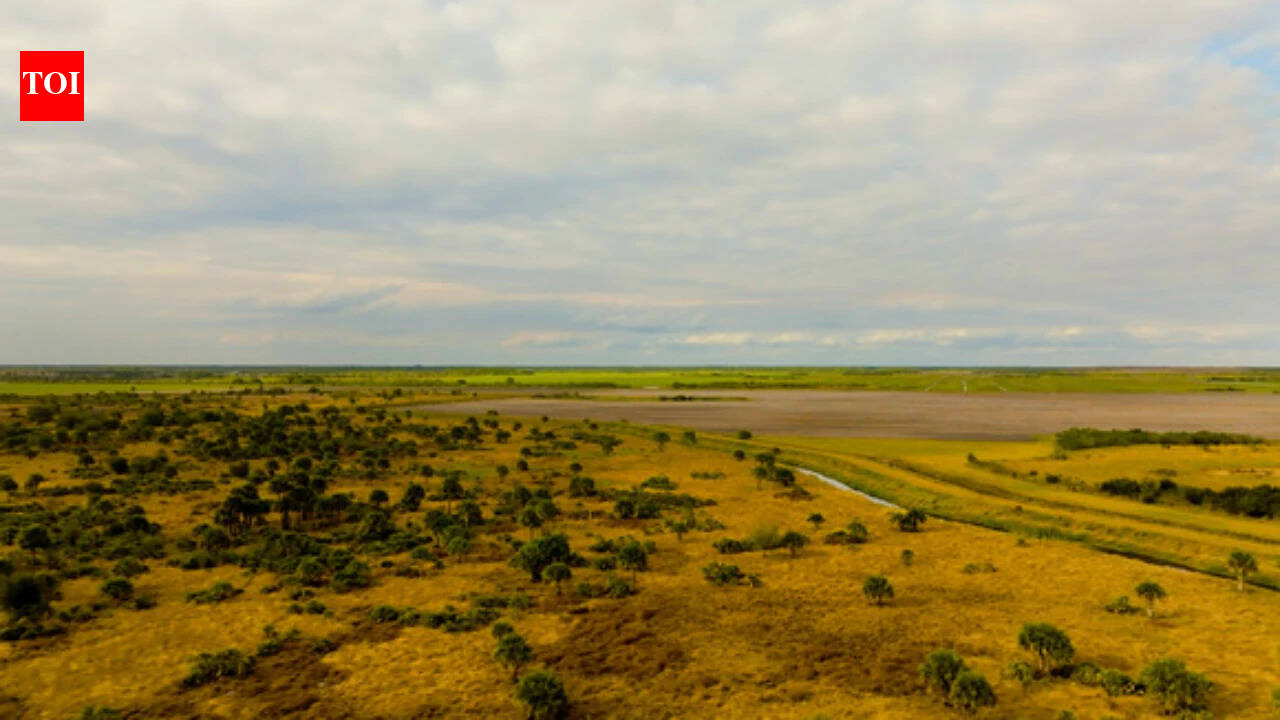
Florida has successfully protected over 50,000 acres of vital ranchland and farms through conservation easements. This initiative includes a significant $77.75 million deal to preserve nearly 20,000 acres of cattle property, securing the state's agricultural heritage against urban sprawl.
Florida's Strategic Expansion of Conservation Easements
Florida has recently achieved a monumental milestone in land preservation by securing conservation easements for over 50,000 acres of agricultural land. This initiative represents a concerted effort by state and federal entities to balance the Sunshine State's rapid population growth with the necessity of maintaining its ecological and agricultural foundations. By placing these lands under permanent protection, the state ensures that expansive cattle ranches, working farms, and timber operations remain productive rather than succumbing to the pressures of residential and commercial development.
The $77.75 Million Everglades Connection
At the heart of this conservation effort is a significant $77.75 million transaction dedicated to protecting a 19,312-acre cattle property. This specific deal is particularly vital for the health of the Everglades ecosystem. By preventing urban encroachment on such a large scale, the state is effectively creating a buffer zone that helps manage water flow, maintain soil health, and protect the delicate biodiversity that characterizes the Everglades region. This investment is not merely about land ownership but about the long-term sustainability of Florida's natural resources.
Protecting Agricultural Heritage
Beyond the environmental benefits, these easements are a lifeline for Florida’s agricultural sector. Historically, ranchers and farmers have faced increasing economic pressure to sell their land to developers as urban sprawl accelerates. This program provides an alternative, allowing landowners to retain ownership and continue their traditional operations while receiving compensation for the development rights they relinquish. This preserves the state’s agricultural heritage and ensures that local food production remains a viable component of the Florida economy.
Ecological Integrity and Urban Sprawl
Florida’s landscape is often defined by its coastal cities and tourism, but its interior, comprised of pine forests, wetlands, and open grasslands, is equally essential. The 50,000 acres now protected serve as critical wildlife corridors and carbon sinks. As urban density increases, the fragmentation of natural habitats becomes a primary threat to native species. These easements act as a safeguard, preventing the 'checkerboard' effect of development that disrupts migratory patterns and environmental stability.
Future Trends in Land Stewardship
This initiative signals a shift toward more proactive land management policies in the United States. By leveraging both state and federal funding, Florida is setting a precedent for how other rapidly developing states can mitigate the negative externalities of urban expansion. Future trends will likely see a continued focus on these public-private partnerships, as they offer a cost-effective way to achieve conservation goals without the state assuming full responsibility for the management of the land itself.
Conclusion
In summary, the protection of these 50,000 acres is a landmark victory for conservationists and the agricultural community alike. By securing the land against the immediate threat of urban expansion, Florida has reinforced its commitment to maintaining the ecological integrity of its interior. This balance between progress and preservation is essential for ensuring that the 'other Florida'—the working landscape of ranches and forests—continues to thrive for generations to come.