US Will "See What Happens" In Conflict With Iran After January 1: Trump
Source Entity
NDTV News Search Records Found 1000
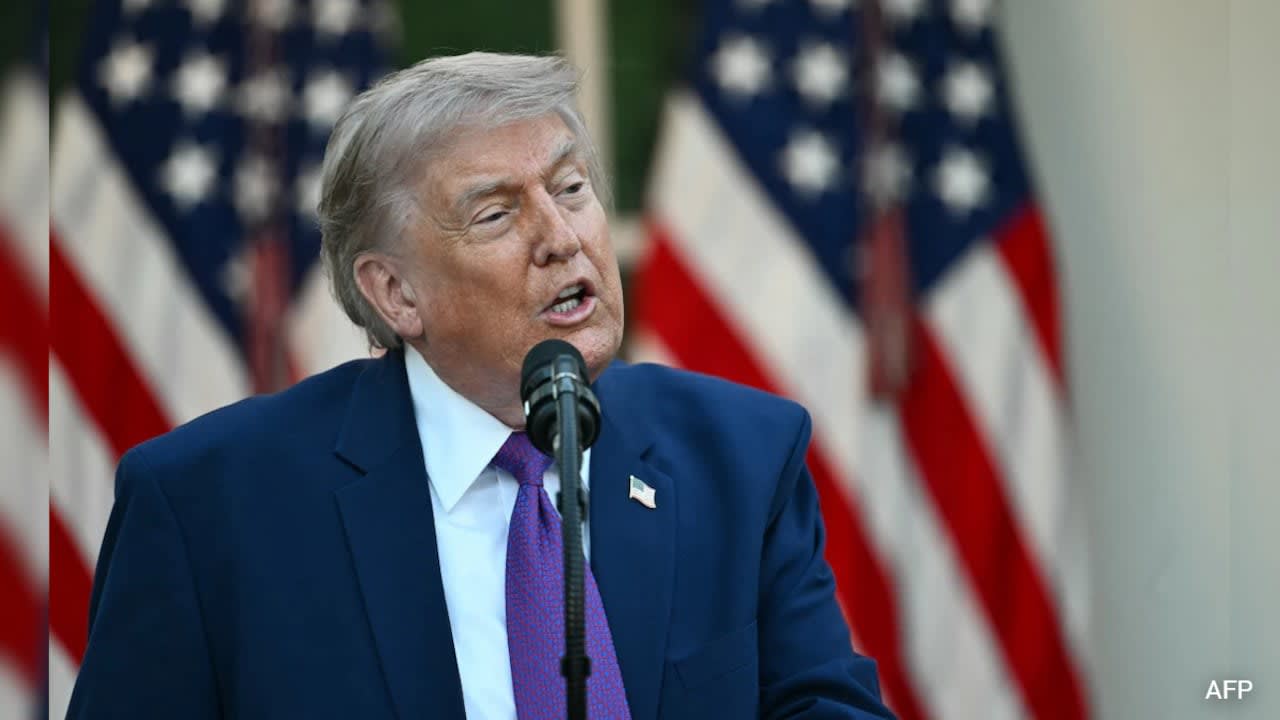
President Trump has signaled a pause in potential military escalation against Iran, deferring any major decisions on the conflict until after January 1, 2027. Despite ongoing tensions and pressure from regional allies, the administration is opting for a cautious, wait-and-see approach.
Strategic Deferral: Trump’s Stance on Iran
President Donald Trump has officially signaled a significant shift in his administration's posture toward Iran, stating he will postpone any potential military decisions until after January 1, 2027. This decision marks a deliberate departure from the rapid-fire rhetoric often associated with regional escalations, suggesting a calculated attempt to manage the geopolitical landscape without immediate kinetic intervention.
The Rationale Behind the Pause
By explicitly stating he is "not rushing" into a decision, the President is attempting to decouple US foreign policy from the immediate demands of regional actors. This pause serves as a tactical cooling-off period, providing the administration with the necessary space to evaluate the efficacy of existing sanctions and diplomatic channels. The decision to delay until 2027 effectively removes the immediate threat of a large-scale bombing campaign from the current legislative and fiscal calendar.
Managing Regional Pressures and Domestic Security
While the administration faces persistent pressure from Israel to pursue more aggressive strikes against Iranian nuclear and critical infrastructure, the President's public comments indicate a high degree of skepticism regarding such calls. Furthermore, the President has actively downplayed the existential fear of a "dirty bomb" detonation in Washington. By dismissing these high-alarm scenarios, the White House is working to stabilize domestic public opinion and prevent the fear-based escalation that often precedes military conflicts.
Economic and Global Implications
Beyond the military theater, the conflict with Iran carries profound financial implications that have increasingly become a focal point for Congress. The economic strain of sustained military operations, coupled with the instability of global oil markets, necessitates a cautious approach. By deferring action, the administration is likely attempting to shield the US economy from the volatility that would inevitably follow a direct, sustained conflict with a major regional power.
Future Trends and Diplomatic Outlook
Looking toward 2027, the success of this strategy will depend on whether Tehran chooses to reciprocate this pause with a reduction in regional proxy activity. The current "wait and see" approach is inherently temporary. If the administration continues to prioritize this cautious path, we may see a transition toward long-term containment strategies rather than immediate regime-change or direct military confrontation. Ultimately, the next few months will serve as a barometer for whether diplomacy can prevail over the persistent calls for military intervention.
Verification Required?