
The End of the Exhaust Era
Why do we continue to treat heat as a waste product? For a century, the urban blueprint was simple: generate energy, use it, and vent the excess into the sky. This linear model was a failure of imagination. Data centers, the sprawling brains of our digital economy, have long been viewed as energy sinks—monolithic structures that devour electricity and sweat heat. But a contrarian shift is underway. Forward-thinking municipalities are realizing that these facilities are not just consumers of power; they are massive, untapped thermal power plants sitting right in the middle of our cities.
This is not a marginal environmental tweak. It is a systemic overhaul of urban metabolism. By capturing the low-grade heat emitted by servers and the steady warmth of wastewater, cities are moving toward a model of industrial symbiosis. In this framework, the waste of one process becomes the fuel for another. We are seeing a transition from centralized, combustion-based heating to a distributed network of recovered energy. The goal is no longer just decarbonization; it is the creation of a resilient, circular energy ecosystem that reduces dependence on volatile external resources.
Northern Logic: The Helsinki Blueprint
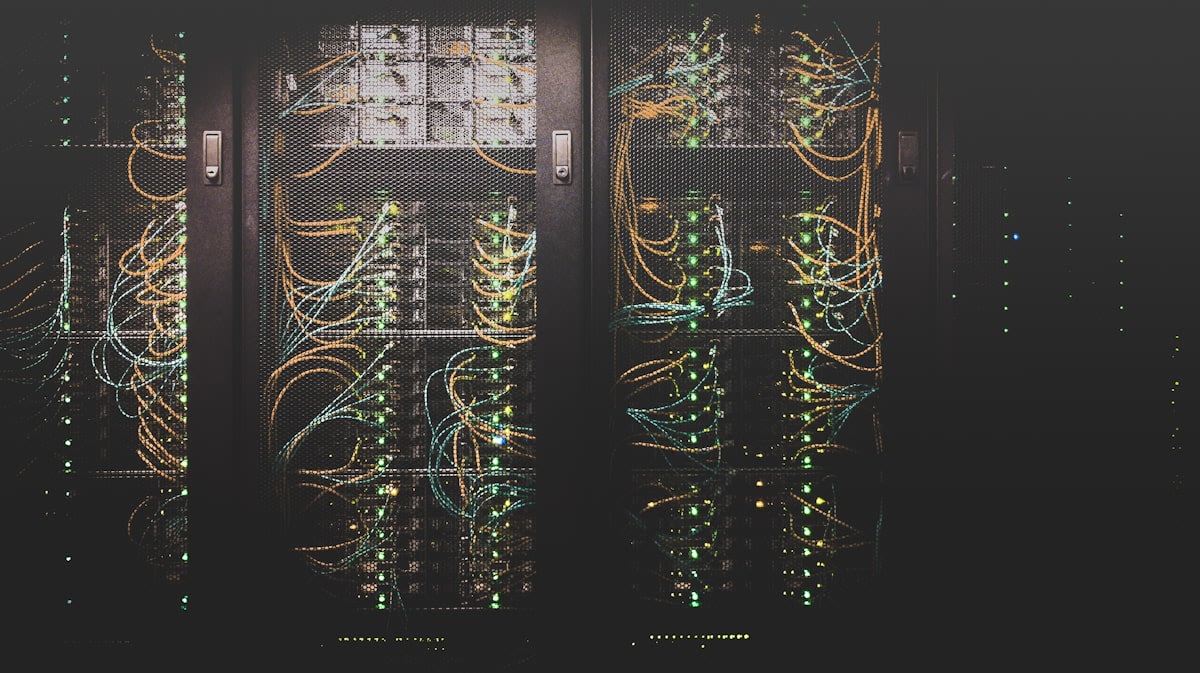
Finland provides a masterclass in this strategic pivot. In December 2025, Fortum announced a massive investment in a large-scale heat pump facility in Helsinki. The objective is blunt and ambitious: harvest waste heat from data centers to warm thousands of households. This isn't a pilot project; it is a core component of a strategy to achieve carbon-neutral district heating by 2030. By integrating digital infrastructure directly into the urban heating grid, Helsinki is effectively turning its cloud computing capacity into a utility for its citizens.
The brilliance of the Helsinki model lies in its scale. Rather than attempting to solve heating on a building-by-building basis, Fortum is leveraging the district heating network to move energy across the city. This approach solves the primary problem of waste heat: the mismatch between where it is produced and where it is needed. When you treat a data center as a heat source, the facility ceases to be a neighborhood nuisance and becomes a critical piece of civic infrastructure.
This shift reflects a broader realization that the most sustainable energy is the energy we have already paid for. The electricity used to power a server in Finland generates heat as an inevitable byproduct. To vent that heat is to throw away a paid-for resource. By capturing it, the city optimizes the total energy value chain, turning a liability into a strategic asset.
But this thermal revolution is not confined to the frozen north; it is migrating south, adapting to different urban fabrics and regulatory pressures.
Southern Synergy and the Milan Model
In Milan, the application of waste heat recovery takes on a more symbolic and cultural dimension. Equinix data centers are now supplying recovered heat to some of the city's most iconic landmarks, including the Duomo, via A2A's district heating network. This represents a sophisticated fusion of the ancient and the digital. The same thermal energy that keeps a cloud server from overheating now preserves the architectural heritage of one of Europe's most historic cities.
The Milan case demonstrates that waste heat recovery is viable even in climates that aren't perpetually freezing. The key is the network. A2A's district heating infrastructure acts as the circulatory system, transporting heat from the digital periphery to the city's core. This removes the need for individual buildings to maintain their own inefficient boilers, centralizing the energy source and drastically lowering the overall carbon footprint of the urban center.
This is where the strategic analyst sees the real opportunity. The integration of data centers into city grids creates a symbiotic relationship that locks in long-term partnerships between tech giants and municipal governments. It transforms the data center operator from a tenant into a utility provider, fundamentally changing the economics of urban land use and energy planning.
The Regulatory Hammer: London's Mandate
While Helsinki and Milan lead through investment, London is leading through policy. The London Plan, championed by Sadiq Khan, has introduced a rigorous set of requirements for new data center developments. Developers can no longer simply build a facility and install massive cooling fans to blow heat into the street. Now, they must demonstrate coordinated heat recovery infrastructure and submit a detailed waste heat utilization plan to gain approval.
This regulatory pressure is forcing a market evolution. Companies like Veolia are stepping in to bridge the gap, investing heavily in London's district heating infrastructure to transform data centers into community heat providers. The financial markets have noticed this shift. Veolia's fair value estimate was recently raised to approximately 33.58 Euros, reflecting the growth potential of these decarbonizing energy projects. The market is pricing in a future where waste heat is a tradable, valuable commodity.
Furthermore, we are seeing the anticipation of future European legislation that may mandate a 20% increase in energy reuse efficiency. This isn't just a suggestion; it's a coming requirement. When regulation transforms an environmental 'nice-to-have' into a legal necessity, the pace of adoption accelerates exponentially. The London Plan is the canary in the coal mine for how global cities will handle digital infrastructure moving forward.
| City | Primary Heat Source | Key Infrastructure/Actor | Strategic Goal |
|---|---|---|---|
| Helsinki | Data Centers | Fortum Heat Pumps | Carbon-neutral heating by 2030 |
| Milan | Data Centers | Equinix / A2A Network | Landmark preservation & grid efficiency |
| London | Data Centers / Industrial | Veolia / London Plan | Mandatory heat recovery for new builds |
The convergence of these regional strategies suggests a global trend: the decoupling of heat from combustion.
The Digital Nervous System of Heat
Harvesting heat is a plumbing problem, but optimizing it is a data problem. The district heating market is projected to advance at a 1.58% CAGR through 2035, but this growth is underpinned by digitalization. The adoption of IoT and smart technologies allows operators to monitor thermal loads in real-time, shifting energy to where it is needed most and reducing operational costs. Without this digital layer, waste heat recovery remains a blunt instrument.
Consider the role of companies like Trane Technologies, which helped the Infomaniak data center set new standards for sustainable operations via advanced heat recovery systems. The integration of high-efficiency heat pumps and smart controllers means that low-grade heat—which was previously useless—can be boosted to temperatures high enough for residential heating. This is the technical bridge that makes the circular economy viable.
The Efficiency Mandate
The transition to waste heat recovery is moving from voluntary 'green' projects to a core financial strategy. With anticipated European legislation targeting a 20% energy reuse efficiency, the ability to recover heat is becoming a prerequisite for operational legality in major cities.
This digitalization creates a new kind of urban resilience. When a city can pivot its heating source from a single gas pipeline to a network of data centers and wastewater plants, it reduces its vulnerability to geopolitical energy shocks. The city effectively becomes its own battery, storing and redistributing the thermal energy generated by its own digital activity.
Beyond the Hype: The Friction of Infrastructure
Despite the promise, the path to a thermal goldmine is littered with friction. The most significant barrier is capital cost. Digging up city streets to lay district heating pipes is an expensive, disruptive nightmare. Many cities are trapped by aging infrastructure that cannot handle the pressures or temperatures required for modern heat recovery. The competition from alternative, decentralized heating technologies also threatens the viability of large-scale networks.
Moreover, the 'industrial symbiosis' model requires a level of coordination that most city governments are ill-equipped to handle. It requires the data center operator, the utility company, and the municipal planner to align their incentives over a twenty-year horizon. This is not a simple procurement process; it is a redesign of the city's economic engine.
Yet, the momentum is undeniable. The shift is being driven by a combination of regulatory force, like the London Plan, and the sheer economic logic of resource efficiency. We are moving away from the era of the 'energy consumer' and toward the era of the 'energy prosumer,' where every building and data center contributes to the grid's stability.
The invisible goldmine is not the heat itself, but the systemic efficiency gained by stopping the waste. As we integrate our digital and physical infrastructures, the boundary between the cloud and the city disappears. The heat from a million searches in Helsinki or a thousand transactions in Milan is no longer a byproduct—it is the warmth in a citizen's home. That is the ultimate strategic pivot.