One thing Thanksgiving travelers can be thankful for: Gas prices are down 75 cents from this year’s peak
Source Entity
Genna Contino
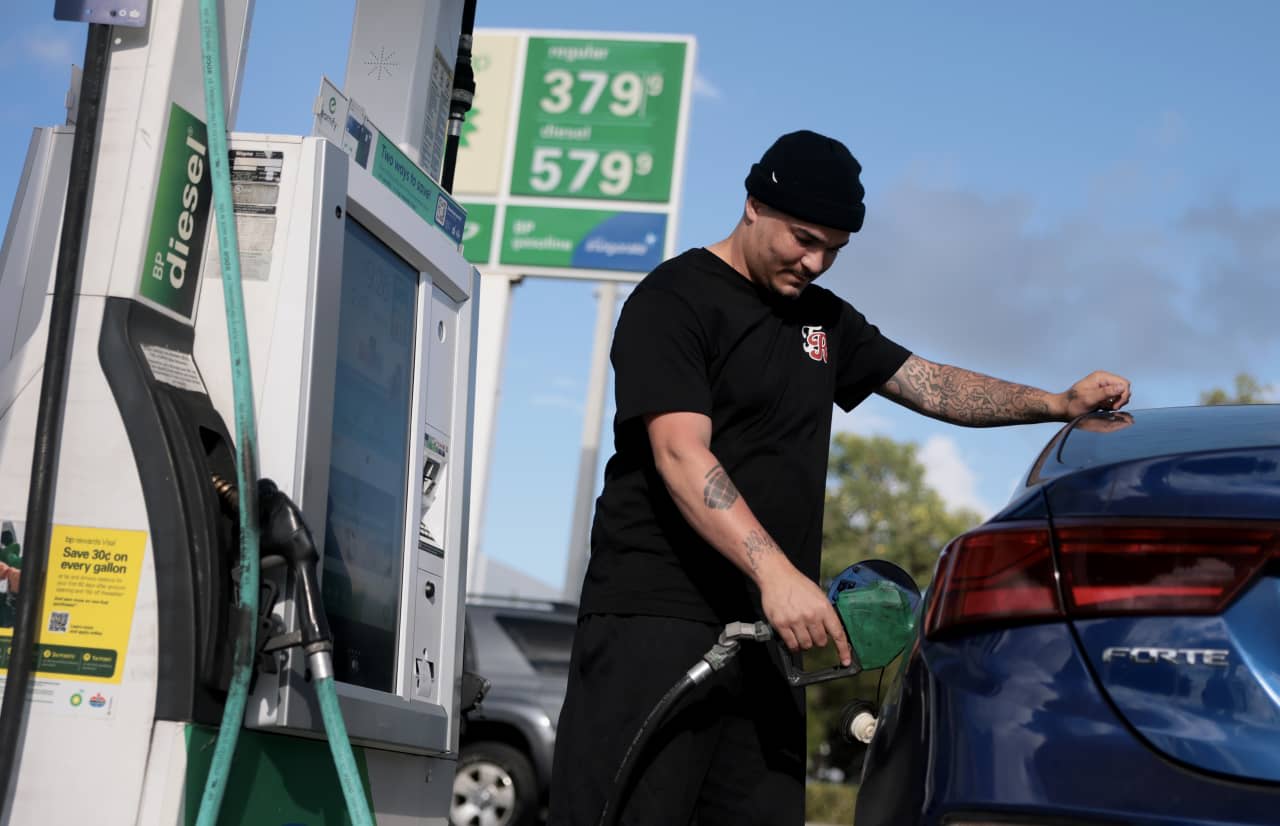
Thanksgiving travelers are benefiting from a significant drop in gasoline prices, which have fallen 75 cents from their peak earlier this year. This relief at the pump follows an extended period of elevated fuel costs for consumers.
Thanksgiving Travel Relief: A Shift in Fuel Economics
As the holiday season approaches, millions of Americans preparing for Thanksgiving travel are receiving a long-awaited reprieve at the fuel pump. Recent data confirms that gasoline prices have retreated by 75 cents from the peak levels observed earlier this year, marking a significant shift in the economic landscape for domestic travelers. After months of navigating high inflation and volatile energy costs, this decline provides a much-needed financial cushion for households planning long-distance road trips to visit family and friends.
Understanding the Price Correction
The reduction in gasoline costs is the result of complex global and domestic energy market dynamics. For much of the year, consumers faced sustained pressure due to supply chain constraints, geopolitical tensions affecting crude oil output, and seasonal demand fluctuations. The current 75-cent drop represents a stabilization in the retail market, allowing fuel costs to retreat from the unsustainable highs that characterized the middle of the year. This correction is a primary driver in restoring consumer confidence for holiday-related spending.
The Impact on Consumer Behavior
Historically, fuel prices serve as a major psychological and financial indicator for holiday travel volume. When prices remain elevated, travelers often opt for shorter trips or alternative modes of transportation; however, a downward trend in gas prices typically correlates with an increase in road travel. By easing the burden on family budgets, lower fuel costs allow for greater flexibility in travel plans, potentially stimulating broader economic activity in the tourism and hospitality sectors during the Thanksgiving window.
Broader Economic Implications
While the current price decline is a positive development for individual travelers, it also signals a broader cooling of energy-related inflationary pressures. Fuel prices are a critical component of the Consumer Price Index (CPI), and their decline helps temper the overall cost of living. As energy prices stabilize, the ripple effect often leads to reduced logistics costs for goods and services, which may provide further macroeconomic stability as the country heads into the end-of-year fiscal period.
Future Trends and Market Sustainability
Looking ahead, the sustainability of these lower prices will depend on global production levels and seasonal demand patterns post-Thanksgiving. While the current relief is welcome, the energy market remains sensitive to external shocks. However, for the immediate future, travelers can expect a more predictable and affordable experience at the pump compared to the volatility seen earlier this year. This trend provides a stable foundation for the upcoming holiday season, allowing families to prioritize travel without the immediate pressure of peak-level fuel expenses.
Verification Required?