
The energy storage conversation has shifted. For years, the world operated under the assumption that lithium-ion was the only viable path to a decarbonized grid, but that consensus is fracturing in real-time. As of August 2026, we are seeing a strategic pivot toward zinc-based slurry batteries, technology that promises to solve the duration problem that lithium simply cannot touch. This is not a slow evolution; it is an acceleration driven by a desperate need for safety and scale in the face of power-hungry data centers and aging infrastructure. Why are we seeing this now? Because the limitations of traditional chemistries have finally collided with the reality of grid-scale requirements.
The National Security Mandate
The most striking evidence of this shift comes from the intersection of energy and defense. Eos Energy Enterprises has secured a multi-million-dollar contract from the U.S. Department of War to deploy its Z3 long-duration energy storage system as part of the Golden Dome for America national defense initiative. This is a pivotal moment. When a government integrates a specific battery chemistry into critical defense infrastructure, it is no longer a laboratory experiment; it is a strategic asset. The prototype deployment at a critical defense site signals that the reliability and safety of zinc are now viewed as essential for national security.
Technology Spotlight: The Z3
The Z3 system represents a departure from traditional battery architecture, focusing on long-duration storage that avoids the thermal runaway risks associated with lithium-ion cells.
This defense-led adoption creates a powerful feedback loop for manufacturing. To meet these requirements, Eos is expanding its domestic production capabilities, specifically adding a second Z3 battery production line at its Thorn Hill facility. This expansion is not merely about increasing unit count; it is about creating a scalable industrial blueprint for zinc batteries. By tying production to job creation and defense mandates, the industry is insulating itself from the volatile swings of the consumer electronics market that often dictate lithium pricing.
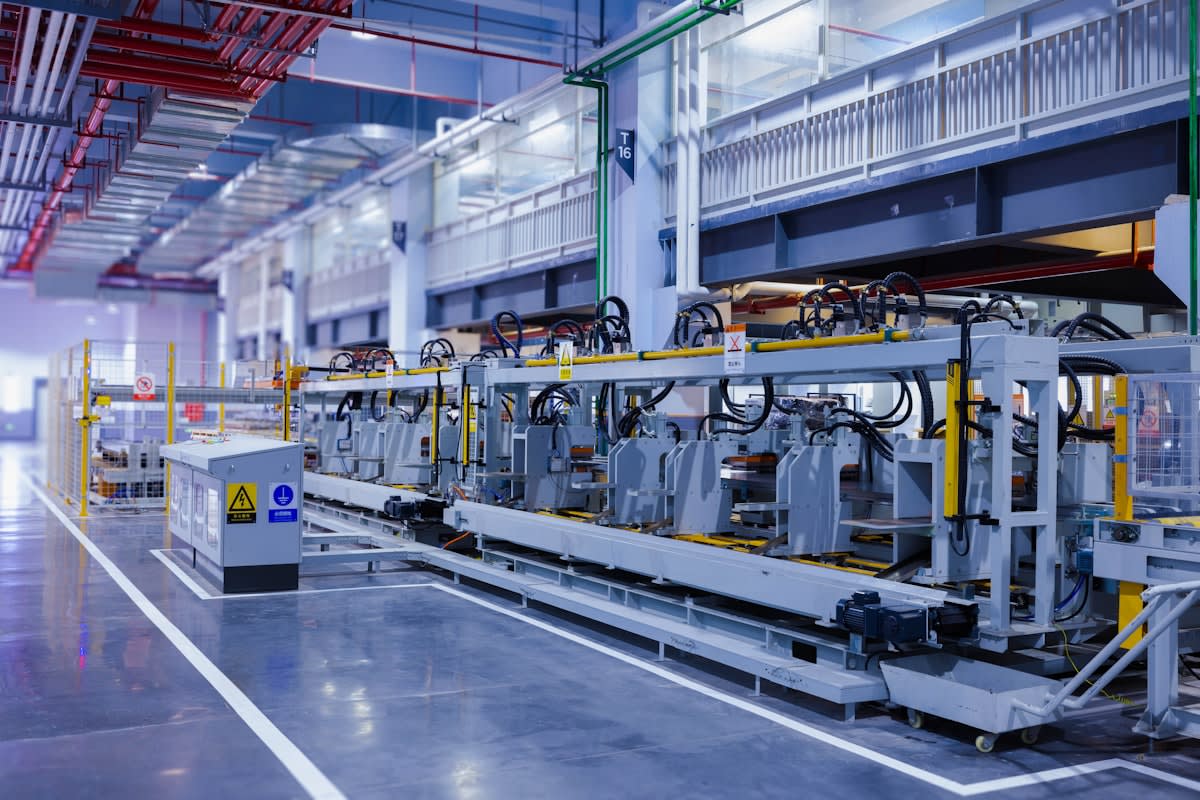
The delta between today and twelve months ago is stark. Last year, zinc batteries were often discussed as a niche alternative. Today, they are being positioned as the backbone of grid-scale stability. This acceleration is fueled by a surge in federal incentives that have transformed energy storage from a luxury for early adopters into a critical utility requirement. We are seeing a transition where the metric of success has shifted from energy density—where lithium excels—to safety and duration, where zinc takes the lead.
The Data Center Collision
While defense contracts provide the prestige, data centers are providing the volume. The explosion of AI and high-compute workloads has created a power demand that is outstripping the current grid's ability to provide steady-state energy. These facilities cannot afford a millisecond of downtime, nor can they risk the fire hazards associated with massive lithium-ion arrays. Zinc-based systems offer a safer, simpler design that aligns perfectly with the risk-aversion of big tech infrastructure. This convergence of AI demand and zinc capability is creating a new market vertical that didn't exist in a meaningful way two years ago.
| Feature | Lithium-Ion | Zinc-Based (Z3) |
|---|---|---|
| Primary Risk | Thermal Runaway/Fire | Low/Non-Flammable |
| Ideal Use Case | Short-term/Portable | Long-duration/Grid |
| Supply Chain | Complex/Geopolitically Tense | Simpler/Abundant |
| Infrastructure | High-cost Cooling | Simplified Thermal Mgmt |
However, the path to dominance is not without friction. The financial structure of the companies leading this charge is often as complex as the chemistry. Eos Energy, for instance, operates with a tangled financing setup and a heavy dependence on a small number of key customers. This creates a precarious balance for investors. While the technology is racing forward, the corporate governance—specifically the existence of two classes of shares—could lead to shareholder dilution if growth hits a snag. Is the technological promise enough to outweigh the structural financial risks?
"Eos Energy is racing to scale a zinc-based grid battery that aims to be safer and simpler than today’s mainstream designs, with a big tailwind from US incentives."— Stock Analysis Report
Looking at the numbers, the market is attempting to price in this potential. With a fair value estimated at US$3.2, Eos is currently viewed as roughly 1.9% undervalued. This marginal discount suggests that the market has already begun to bake in the success of the Z3 rollout. The real question is whether the company can transition from a prototype-driven entity to a mass-manufacturer without compromising its equity structure. The tension between rapid industrial scaling and shareholder value is the primary narrative for zinc investors right now.
Closing the Loop: The Recycling Nexus
The pivot to zinc does not happen in a vacuum; it occurs alongside the necessary cleanup of the lithium era. As the first generation of massive Li-ion arrays reaches the end of its life, the industry is grappling with wastewater and chemical transfer. This is where specialized hardware, such as peristaltic pumps, becomes critical. These pumps are uniquely suited for Li-ion wastewater transfer in recycling facilities because they can handle corrosive and abrasive materials without contaminating the fluid or wearing down the equipment.
- Minimization of contamination through single-tube fluid paths.
- Ability to handle the aggressive chemical compositions of battery slurry.
- Reduced maintenance downtime in high-throughput recycling plants.
- Precise dosing capabilities for chemical neutralization processes.
This symbiotic relationship between new zinc deployment and lithium recycling is the hallmark of a maturing industry. We are no longer just installing new tech; we are building the infrastructure to manage the waste of the previous cycle. The efficiency of peristaltic pumps in these facilities ensures that the transition to newer, safer chemistries like zinc is not bogged down by the environmental liabilities of the past. It is a closed-loop approach to energy evolution.
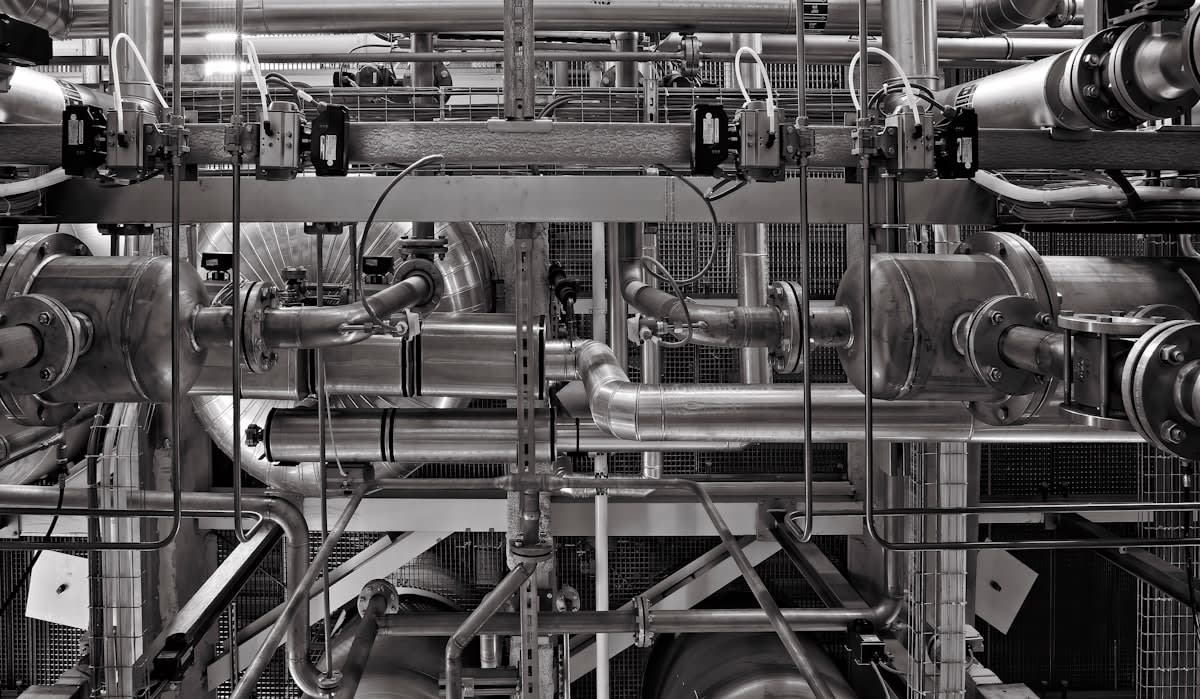
As we look toward the end of 2026, the trend is clear. The grid is diversifying. The reliance on a single chemistry is being replaced by a tiered storage strategy: lithium for short-term bursts, and zinc-based slurry for the long-haul stability required by national defense and AI infrastructure. The pivot is quiet, and it is systemic. By removing the fear of thermal runaway and leveraging abundant materials, the industry is finally building a storage solution that can match the scale of the global energy transition.