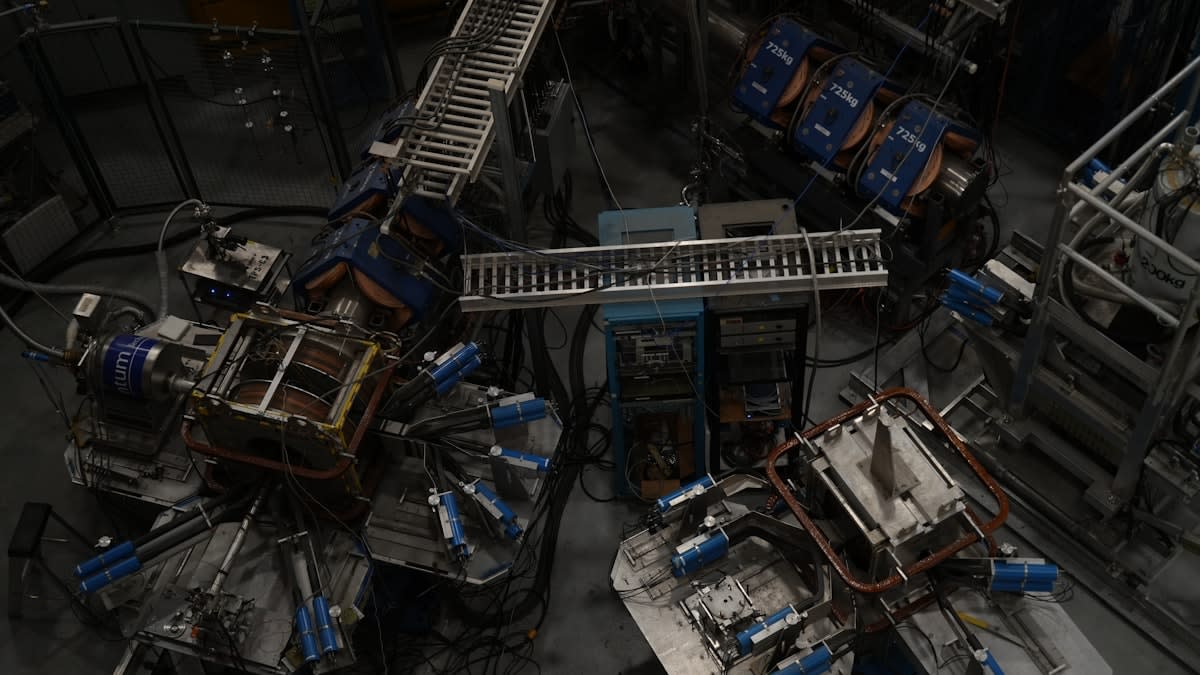
The Great Pivot: From Extraction to Recovery
For decades, the global economy treated electronics as disposable. We mined the earth, built a device, and tossed it into a drawer or a landfill once the battery degraded. That era is dead. The conversation has shifted violently in the last twelve months. We are no longer talking about 'recycling' as a civic duty; we are talking about 'urban mining' as a strategic hedge against geopolitical blackmail. The volatility of the primary REE market has forced a realization: the most concentrated deposits of neodymium and dysprosium aren't in a remote mountain range, but in the millions of discarded smartphones and EV motors sitting in our cities.
The delta between today and a year ago is stark. Previously, urban mining was the domain of niche startups and environmental NGOs. Now, it is a centerpiece of industrial policy. According to the International Energy Agency (IEA), the demand for critical minerals for clean energy technologies will need to quadruple by 2030 to meet Paris Agreement goals (Source: IEA, 2023). This surge has turned the 'waste stream' into a 'resource stream.' Governments are now treating e-waste as a strategic reserve, recognizing that the cost of recovering materials from a circuit board is becoming more competitive than the geopolitical cost of relying on a single-source supplier.
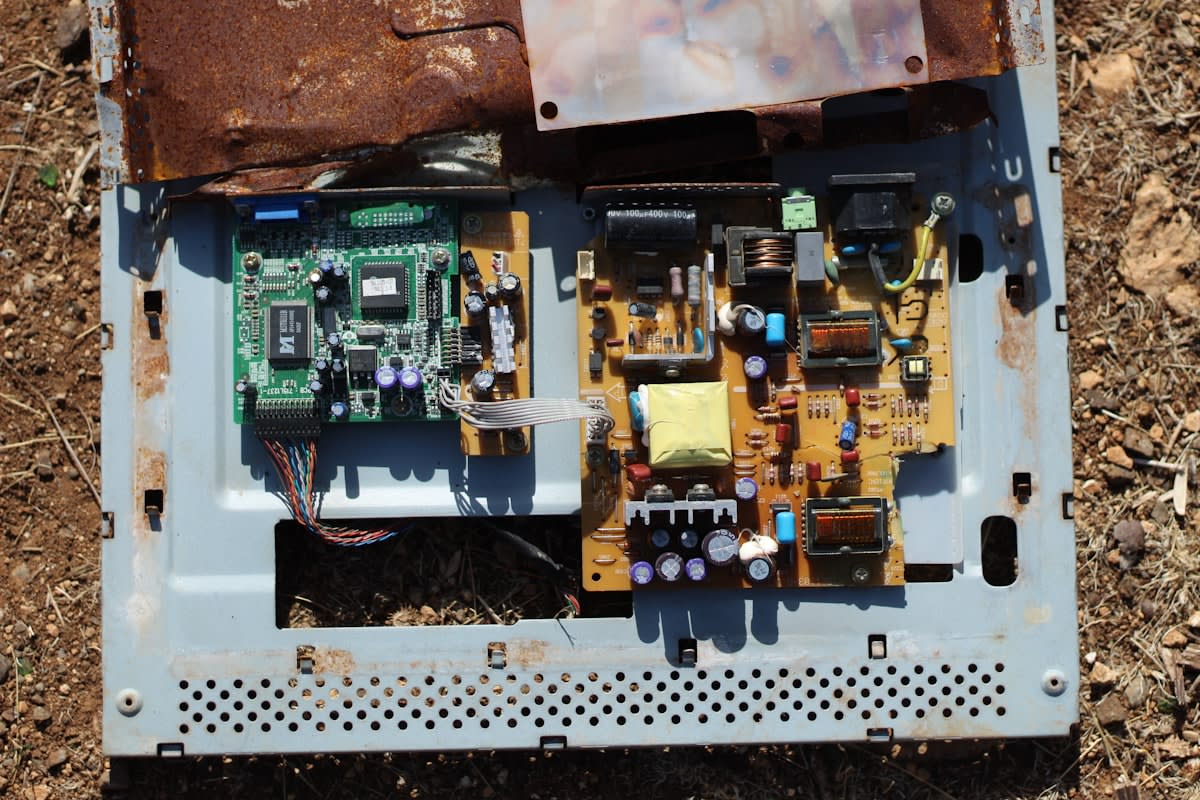
The Geopolitical Calculus of the Circular Economy
Why the sudden urgency? Look at the map. For years, the processing of REEs has been overwhelmingly centralized. When supply chains are weaponized, the only immediate defense is a closed-loop system. The European Union's Critical Raw Materials Act is a prime example of this shift, setting a target that at least 25% of the EU's annual consumption of strategic raw materials should come from domestic recycling by 2030 (Source: European Commission, 2023). This isn't about being 'green.' It is about autonomy. If you can recover your own magnets from old wind turbines, you are less vulnerable to export quotas and trade wars.
"The transition to a circular economy for critical minerals is not a luxury of the sustainable; it is a necessity for the sovereign. Those who master the art of urban mining will dictate the terms of the energy transition."— International Renewable Energy Agency (IRENA), Strategic Report
Japan provides the blueprint for this strategy. Having faced supply shocks in the past, Japan invested heavily in urban mining long before it became a global trend. The 2020 Tokyo Olympics medals were a masterclass in symbolic and practical urban mining, crafted entirely from recycled electronics donated by the public. This wasn't just a PR stunt. It signaled to the world that the infrastructure for high-purity REE recovery is a viable industrial pillar. The shift is now mirroring across North America and Southeast Asia, where new partnerships are forming to create 'regional hubs' for mineral recovery.
But let's be clear: this is not a seamless transition. The friction lies in the chemistry. Recovering a gram of neodymium from a hard drive is vastly different from mining it from the ground. You are dealing with complex alloys and adhesives designed to keep things together, not pull them apart.
The Practitioner's Reality: The War on Adhesives
On the ground, the debate isn't about 'sustainability'—it's about purity and throughput. If you talk to the engineers running these recovery plants, they'll tell you the nightmare isn't the REEs themselves, but the 'glue.' Modern electronics are designed for assembly, not disassembly. We see a constant battle between hydrometallurgy—using chemical baths to leach metals—and pyrometallurgy, which uses high heat. The industry is currently fighting over bio-leaching, using engineered bacteria to eat away the waste and leave the metals behind. It's a slow process, but it avoids the toxic sludge associated with traditional acid leaching.
The real friction point? Logistics. Collecting a million iPhones is easy; sorting them by the specific grade of magnet they contain is an operational hellscape. Practitioners are debating whether to invest in massive, centralized smelting plants or distributed, automated sorting centers that use AI and X-ray fluorescence to identify materials in real-time. The winner of this debate will determine the economic viability of the entire urban mining sector.
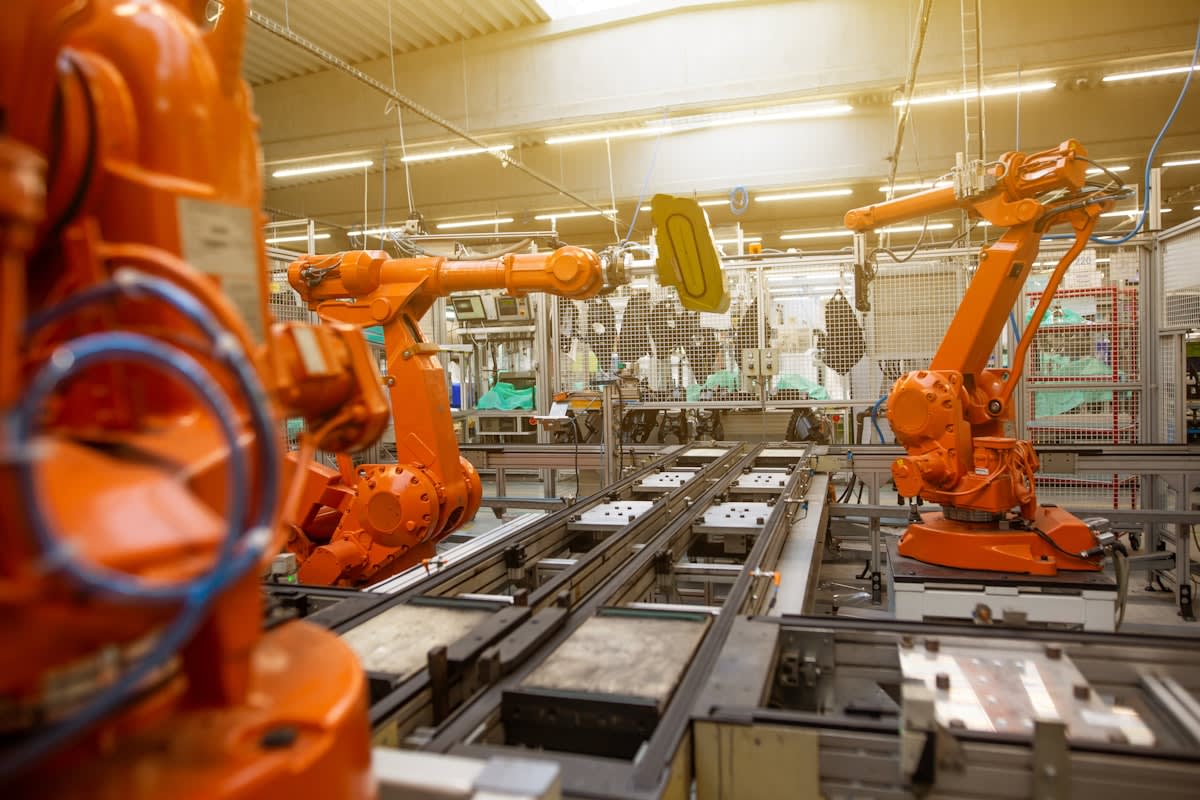
Comparing the Delta: Primary vs. Urban Mining
To understand the shift, we have to look at the cost-benefit analysis of the last 18 months. Primary mining requires massive capital expenditure, years of permitting, and carries a heavy environmental toll. Urban mining, while technically challenging, offers a faster route to supply. The lead time for a new REE mine can be 10 to 15 years. A recovery plant can be operational in three. For a government facing a critical shortage of magnets for defense systems or EV motors, that time difference is the difference between resilience and collapse.
| Metric | Primary Mining (Traditional) | Urban Mining (Recovery) |
|---|---|---|
| Lead Time to Production | 10-15 Years | 2-5 Years |
| Environmental Footprint | High (Tailings, Acid Rain) | Low to Medium (Chemical Waste) |
| Geopolitical Risk | High (Location Dependent) | Low (Distributed Waste) |
| Concentration of Material | Low (Ore Grade) | High (Concentrated in Devices) |
The economic viability is also shifting. As the cost of carbon credits rises and the cost of primary extraction increases due to lower ore grades, the 'waste' becomes the more attractive asset. We are seeing a trend where companies are no longer selling their scrap; they are leasing it back or creating 'buy-back' programs to ensure the materials never leave their ecosystem. This is the birth of the closed-loop corporate strategy.
The Road Ahead: Resilience Over Efficiency
We are moving away from an era of 'just-in-time' efficiency toward 'just-in-case' resilience. The race to recover REEs is the physical manifestation of this shift. The winners will not be the nations with the most land, but the nations with the most sophisticated recovery infrastructure. The urban mine is infinite, provided we have the technology to harvest it. The question is no longer if we can recover these materials, but if we can scale the process fast enough to decouple our security from the whims of global trade volatility.
Fact-Check & Accuracy Note
Key claims regarding the EU Critical Raw Materials Act and IEA demand projections are sourced from the European Commission (2023) and the International Energy Agency (2023) respectively. The technical debate regarding bio-leaching vs. pyrometallurgy is an ongoing discourse in metallurgical engineering, with no single global standard yet established.