Blood-tainted ice cubes and a famine in Madras
Source Entity
India Latest News: Top National Headlines Today & Breaking News | The Hindu
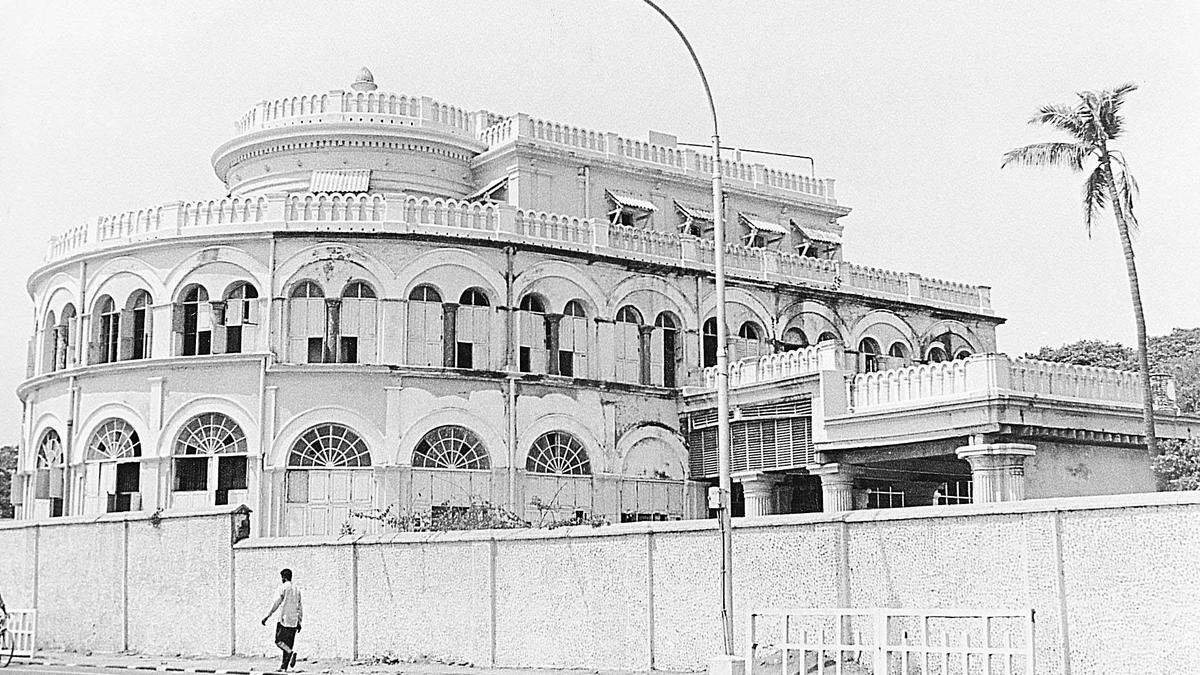
The Ice House in Chennai serves as a stark historical symbol of colonial luxury built upon the exploitation of marginalized labor. Imported American ice provided comfort for the British elite while laborers endured harsh, systemic abuse.
The Frozen Legacy of Colonial Madras
In the sweltering climate of colonial Madras, now known as Chennai, the presence of ice was more than a mere luxury; it was a potent symbol of British dominance and the reach of global trade. The Ice House in the Triplicane neighborhood stands today as a tangible remnant of this era, serving as a reminder of how colonial authorities imported massive blocks of naturally formed ice harvested from New England lakes in the United States to cool their Scotch whisky and other beverages.
The Illusion of Comfort
While the ice provided a reprieve from the oppressive Indian heat for the British rulers and the city's elite, this comfort was starkly contrasted by the reality of how these goods were handled. The logistics of the ice trade required a constant supply of labor to transport, store, and cut the blocks into usable portions. This infrastructure of luxury was not built on equitable grounds but was instead deeply rooted in the rigid social hierarchies of the time.
Systematic Exploitation
Behind the facade of refined evening drinks lay a darker history of labor exploitation. Scheduled Caste (SC) laborers were exclusively employed to perform the grueling work of cutting and moving the heavy ice blocks. Subjected to harsh and punishing conditions, these workers were marginalized by a system that prioritized the comfort of the colonizer over the human dignity of the laborer. This exploitation was an inherent feature of the colonial economic model, where the labor of the oppressed facilitated the leisure of the ruling class.
Historical Context and Social Stratification
The history of the Ice House illuminates the broader socioeconomic dynamics of colonial India, where caste-based labor divisions were institutionalized to serve colonial interests. The physical structure of the Ice House remains as a monument to this era, reflecting the stark divide between those who could afford to consume such imported commodities and those whose physical suffering made that consumption possible.
A Lasting Reminder
Today, the Ice House serves as an educational touchpoint for understanding the complexities of colonial history in Madras. By examining the origins of the ice and the treatment of the workers involved, we gain a more nuanced perspective on how colonial institutions operated. It highlights that the history of urban development in colonial India cannot be separated from the labor struggles and systemic injustices that defined the period.
Conclusion
The narrative of the Ice House is a sobering reminder that historical landmarks often carry dual meanings: one of architectural and trade significance, and another of human suffering. As we analyze the legacy of colonial trade, it is essential to acknowledge the labor force that sustained it, ensuring that the history of those who were exploited remains central to our understanding of the colonial past.
Verification Required?