The Shift from Crust to Curb
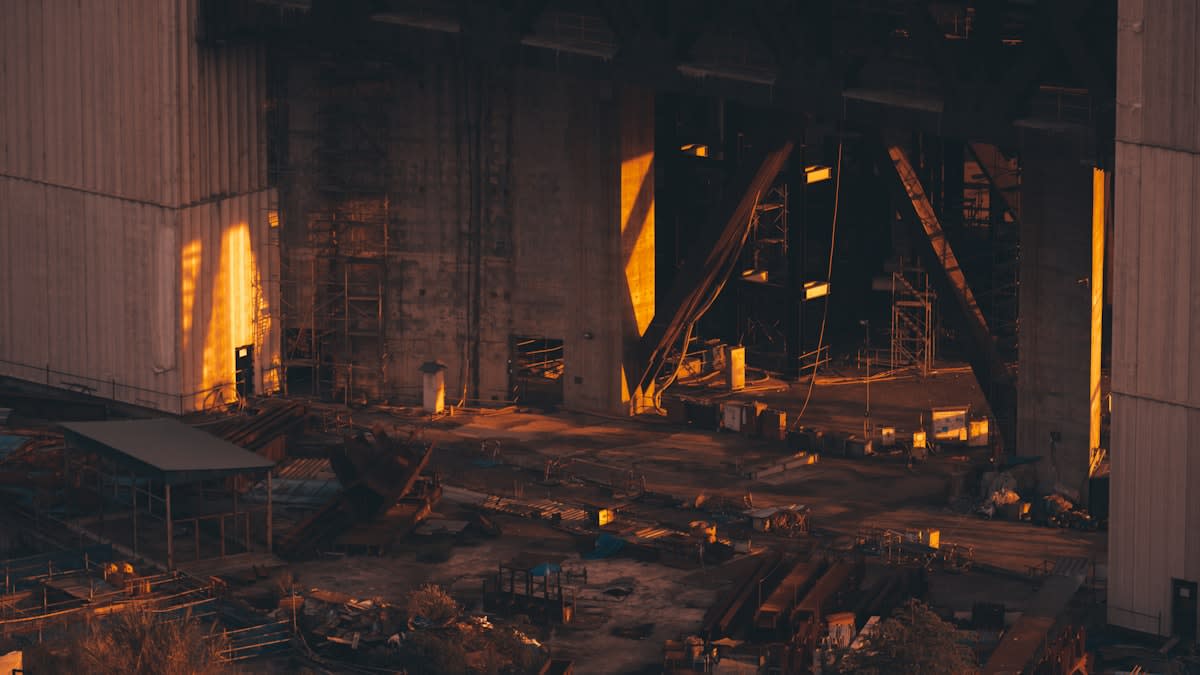
The traditional image of mining involves massive open pits and heavy machinery tearing into the earth's crust. Today, a different kind of extraction is taking hold in the heart of our cities. We are witnessing the rise of the urban mine, where the target is not raw ore, but the discarded remnants of the digital age. Old smartphones, dead hard drives, and obsolete electric vehicle motors are the new veins of gold, neodymium, and dysprosium. This transition represents a fundamental reimagining of waste as a strategic asset. The city is no longer just a consumer of resources; it is becoming the primary source.
Twelve months ago, urban mining was largely framed as a sustainability initiative, a way to reduce the environmental footprint of landfills. The narrative has shifted violently toward national security and resource sovereignty. We have moved from asking if we can recycle these materials to demanding that we must do so to survive the energy transition. The delta is clear: the focus has evolved from ecological altruism to hard-nosed industrial strategy. Governments now view the recovery of rare earth elements (REEs) as a shield against supply chain volatility and geopolitical coercion. The urgency is palpable in every new policy directive from Brussels to Washington.
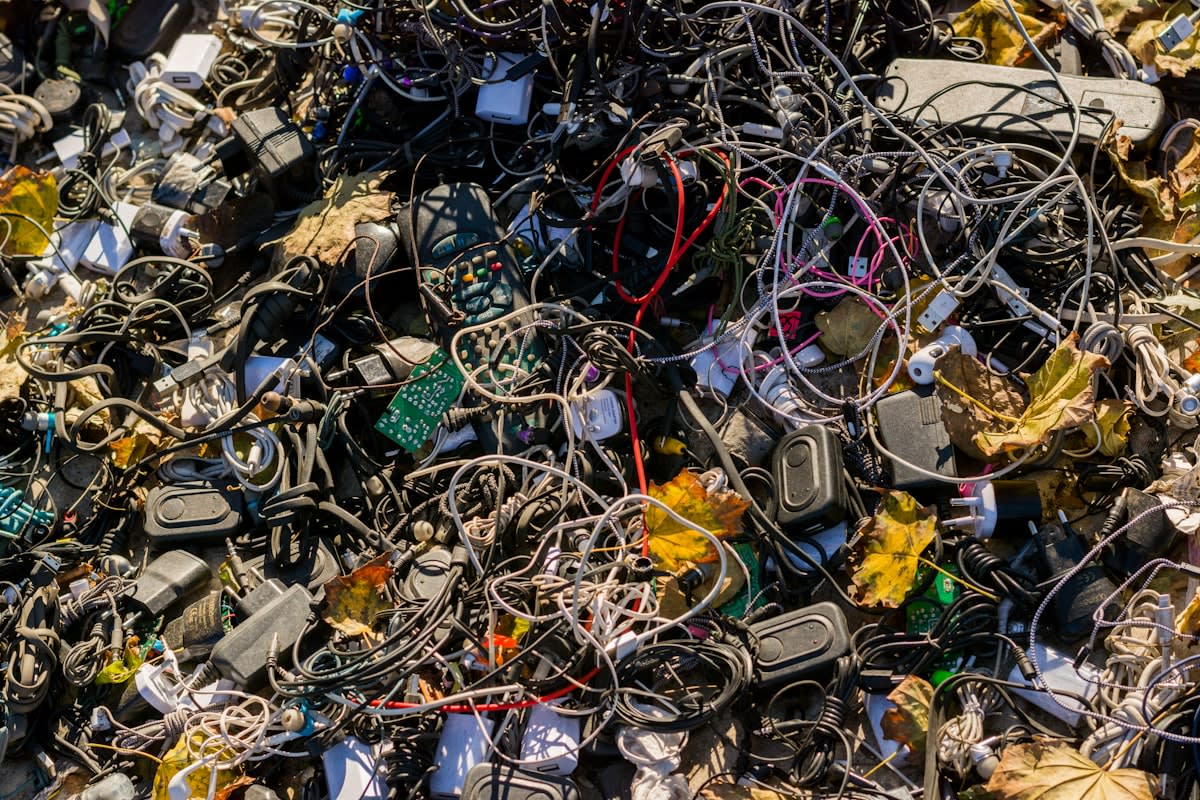
Consider the sheer scale of the opportunity. Global e-waste production has surged to approximately 62 million tonnes annually, with only a fraction being processed through formal channels. Most of these devices contain Neodymium-Iron-Boron (NdFeB) magnets, which are essential for everything from wind turbine generators to the haptic engines in our pockets. Extracting these elements from a discarded hard drive is often more efficient than digging a hole in the ground. The concentration of REEs in high-tech waste can be orders of magnitude higher than in primary ores. Why risk the environmental devastation of a new mine when the material is already refined and sitting in a warehouse?
"The most sustainable mine is the one we have already dug. Our landfills are not graveyards of technology, but strategic reserves of the materials that will power the next century."— Industry Analyst, Resource Sovereignty Group
The Geopolitical Chessboard
For decades, the global supply of rare earths has been characterized by a precarious monopoly. This concentration of power has left the rest of the world vulnerable to export quotas and price manipulation. Urban mining offers a way to break this dependency by creating a closed-loop system. If a nation can recover 20% of its neodymium from its own waste stream, it reduces its reliance on external imports by a corresponding margin. This is not just about economics; it is about the ability to build a wind farm or a fighter jet without asking for permission from a foreign power. The race is now on to build the infrastructure for this domestic recovery.
The European Union is leading this charge with the Critical Raw Materials Act, which sets ambitious targets for domestic extraction and recycling. By 2030, the EU aims to ensure that at least 15% of its annual consumption of strategic raw materials comes from recycling. This is a massive leap from the current fragmented landscape. Similarly, the United States is leveraging the Inflation Reduction Act to incentivize the domestic processing of critical minerals. These policies are transforming the recycling industry from a low-margin waste business into a high-stakes strategic sector. The capital flowing into urban mining startups is a testament to this shift.
| Metric | Primary Mining | Urban Mining (Recycling) |
|---|---|---|
| Environmental Impact | High (Tailings, Acid Leaching) | Low to Moderate |
| Material Concentration | Low (Ore Grade) | High (Refined Components) |
| Lead Time | 10-15 Years (Permitting) | 1-3 Years (Infrastructure) |
| Geopolitical Risk | High (Concentrated Supply) | Low (Domestic Source) |
Japan provides the most sophisticated blueprint for this model. Having faced severe supply shocks in the past, Tokyo has integrated urban mining into its national security framework. They have perfected the art of extracting gold, palladium, and rare earths from circuit boards on an industrial scale. The Japanese approach treats the city as a living organism that must be harvested. This systemic integration is what other nations are now scrambling to replicate. The lesson is clear: the technology exists, but the political will to implement it at scale has only recently arrived.
The Technological Pivot
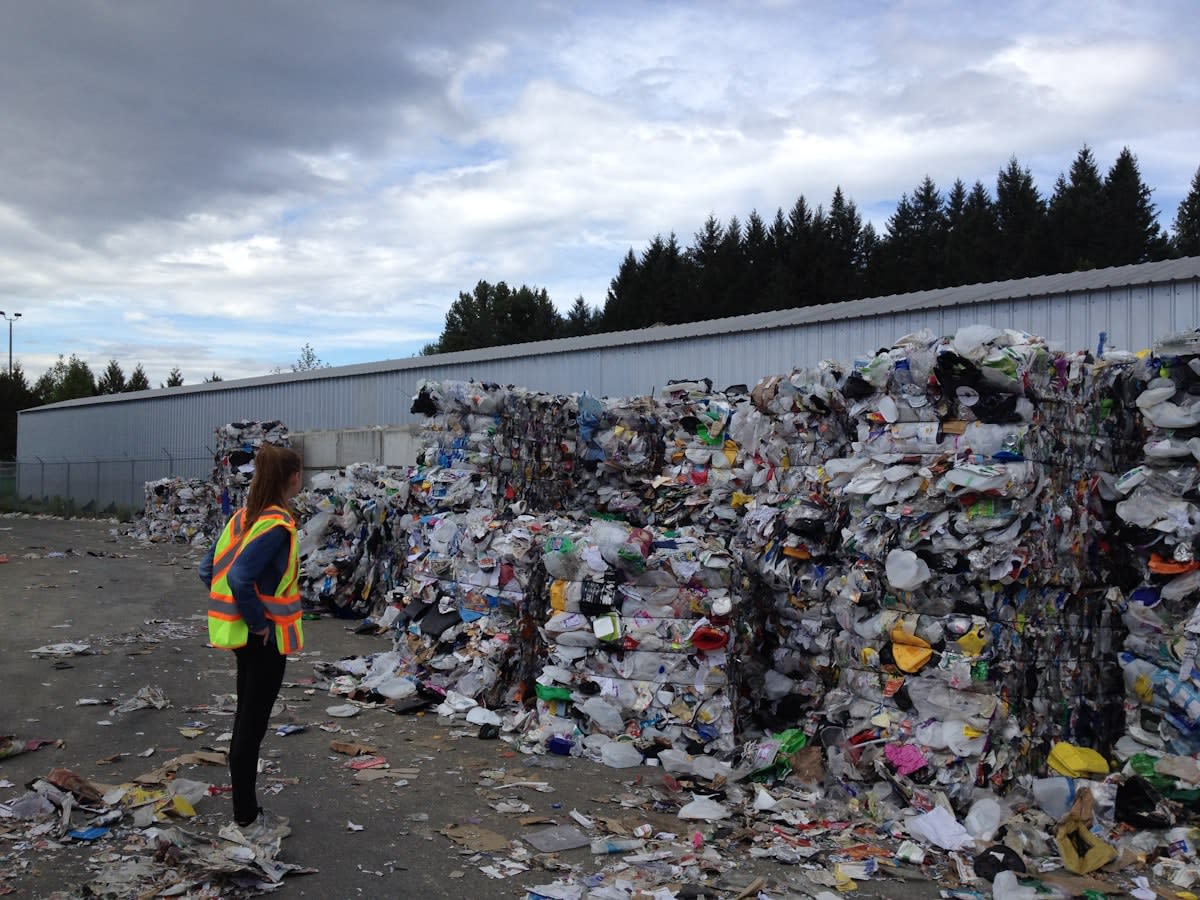
The technical challenge of urban mining has always been the complexity of the waste. Rare earths are not found in pure chunks; they are alloyed and bonded to other materials in intricate ways. Traditional pyrometallurgy—smelting everything at high temperatures—is energy-intensive and often loses the very rare earths it seeks to recover. The industry is now pivoting toward hydrometallurgy and bio-leaching. These processes use aqueous chemistry or biological agents to selectively pull specific elements from the waste stream. This precision allows for higher purity levels and significantly lower energy consumption.
Bio-leaching is particularly promising, utilizing specially engineered bacteria to dissolve metals from e-waste. This approach replaces toxic acids with organic processes, aligning the recovery method with the environmental goals of the green transition. We are seeing a move away from the scorched-earth policy of old recycling toward a surgical extraction model. The goal is to recover not just the neodymium, but the praseodymium and terbium as well. This level of specificity is what makes the urban mine economically viable. When you can recover multiple high-value elements from a single device, the margins shift in favor of the recycler.
- Hard Disk Drives (HDDs): Rich in Neodymium and Dysprosium magnets.
- Electric Vehicle (EV) Motors: Large quantities of permanent magnets.
- Wind Turbine Generators: Industrial-scale REE deposits in the nacelle.
- Consumer Electronics: Trace amounts of Yttrium and Europium in screens.
- Industrial Robotics: High-torque motors requiring specialized rare earths.
The Strategic Loop
The circular economy is often discussed as a theoretical ideal. In the context of rare earth elements, it is a survival strategy. The ability to loop materials back into production is the only way to decouple economic growth from environmental destruction and geopolitical vulnerability.
Despite the promise, the economic hurdle remains the collection logistics. The urban mine is dispersed across millions of households and offices. The cost of gathering, transporting, and sorting these materials can outweigh the value of the recovered elements. This is why we are seeing a push for extended producer responsibility (EPR) laws. By forcing manufacturers to take back their products at the end of their life, the burden of collection shifts from the taxpayer to the producer. This creates a financial incentive for companies to design products that are easier to disassemble. Design for disassembly is the next great frontier in industrial engineering.
Ultimately, the race for the urban mine is a race for resilience. Those who master the art of recovery will be the ones who control the pace of the energy transition. We are moving toward a world where the most powerful nations are not those with the most land, but those with the most efficient loops. The digital ruins are calling, and the gold rush has officially begun. It is a race against time, against waste, and against the limits of our own planet. The winners will be those who see the value in what the rest of the world has thrown away.